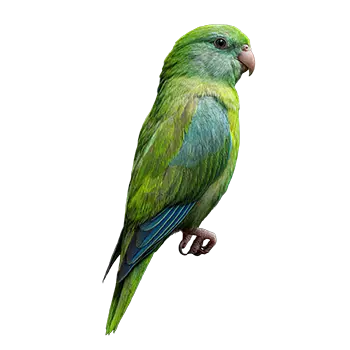

Recognizing when a Green-Rumped Parrotlet is entering the final stage of its life is one of the most emotionally challenging and practically important tasks a bird owner will face. Unlike acute illness, which often presents with sudden and dramatic symptoms, the terminal decline of an aging or chronically ill parrotlet is frequently a gradual process marked by incremental changes that accumulate over weeks or months. Understanding what to watch for helps caregivers respond appropriately, seek timely veterinary guidance, and begin preparing emotionally for what lies ahead.
Progressive weight loss that does not respond to dietary intervention is one of the most telling signs that a parrotlet is approaching the end of its life. A bird that continues to lose weight despite consuming adequate food, or that has lost interest in eating altogether, may be experiencing organ failure, advanced systemic disease, or the general metabolic collapse that accompanies terminal decline. Weigh the bird regularly and share the trend with your avian veterinarian, who can help interpret whether the weight loss is treatable or indicative of a process that is no longer reversible.
Behavioral withdrawal is another significant indicator. A parrotlet that was once interactive, vocal, and engaged with its environment may become increasingly quiet, sedentary, and unresponsive to stimuli that previously elicited interest. The bird may spend most of its time on the cage floor or on a low perch with its feathers fluffed, eyes partially closed, and head tucked. While any single day of reduced activity can reflect a temporary illness or a simple off day, a sustained pattern of withdrawal over several days to weeks, particularly in an elderly bird, suggests a deeper decline.
Physical signs of terminal decline can include labored or noisy breathing, visible loss of muscle mass over the keel bone, an inability to perch or maintain balance, persistent changes in droppings that do not respond to treatment, and episodes of weakness or collapse. Some birds exhibit a brief period of apparent improvement shortly before death, becoming temporarily more active or alert, which can be misleading. Discuss all observed changes openly with your avian veterinarian so that together you can build an accurate picture of the bird's trajectory and make informed decisions about the most compassionate path forward.