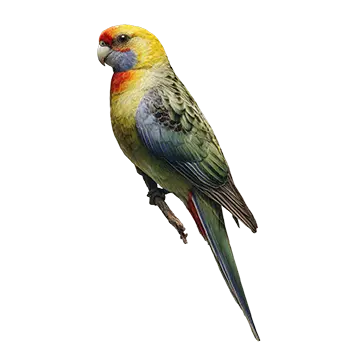

Determining when a Green Rosella transitions from adult to senior is not as straightforward as it might be in a mammalian pet, because birds generally do not show the gradual, visible aging signs that dogs or cats display. Green Rosellas have a typical captive lifespan of 15 to 30 years, with significant variation depending on genetics, diet, and care quality. Most aviculturists and avian veterinarians consider a Green Rosella to be entering its senior years at approximately 15 to 18 years of age, though some well-maintained individuals may show no obvious decline until well past 20.
The earliest signs of aging in a Green Rosella are often subtle and easy to miss if the owner is not looking for them. A slight reduction in overall activity level, less enthusiasm for vigorous flight during out-of-cage time, longer resting periods during the day, and a mild decrease in vocalization frequency or intensity may all signal the beginning of the senior transition. These changes tend to develop gradually over months or years, which can cause them to go unnoticed until they become pronounced.
Physical changes may include a gradual dulling of plumage vibrancy, slight thinning of feathers, or a modest increase in the time required to complete each annual molt. The beak and nails may begin to grow more quickly or unevenly as keratin metabolism shifts with age. Some senior rosellas develop a slightly roughened or flaky texture to the beak surface. The feet may show early signs of reduced grip strength or developing calluses, particularly if the bird has spent years on perches of insufficient diameter variety.
Recognizing the onset of the senior stage is important because it triggers a shift in the bird's care needs. Veterinary visits should increase in frequency from annually to semi-annually, dietary composition may need adjustment, the cage environment should be evaluated for accessibility, and the owner should begin developing a heightened awareness of the subtle health indicators that can signal age-related disease processes before they become advanced.