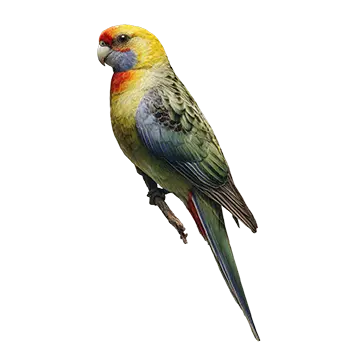

Weaning is one of the most consequential transitions in a young Green Rosella's life, marking the shift from complete dependence on hand-feeding formula or parental regurgitation to self-sufficient consumption of solid foods. In Green Rosellas, this process typically begins around five to six weeks of age and may continue gradually over several weeks, with most chicks fully weaned by eight to ten weeks. Rushing weaning is one of the most common and damaging mistakes made by inexperienced hand-rearers, as premature weaning can lead to malnutrition, stunted growth, and lasting behavioral problems rooted in food insecurity.
The earliest signs that a chick is ready to begin weaning include a noticeable decrease in feeding enthusiasm, increasing intervals between formula meals without weight loss, and active exploration of objects in and around the brooder or cage. When these signs appear, introduce a variety of soft, easy-to-consume foods alongside continued formula feedings. Finely chopped leafy greens, grated carrot, small pieces of apple or pear, and softened or sprouted seeds are all appropriate first foods for a young Green Rosella. Place these items in a shallow dish where the chick can investigate them at its own pace.
Formula feedings should be reduced gradually, not abruptly. Drop one feeding at a time, typically starting with the midday feeding when the chick is showing the most interest in solid food. Continue morning and evening formula meals until the chick is consistently consuming enough solid food to maintain its weight. Daily weighing remains essential throughout the weaning process. A small, temporary dip in weight at the onset of weaning is normal, but sustained weight loss over more than two to three days indicates that the chick is not yet consuming enough solid food and formula feedings need to be maintained or reintroduced.
The psychological dimension of weaning is as important as the nutritional one. A chick that is force-weaned by abrupt formula withdrawal often develops anxiety around food, which can manifest as picky eating, binge-and-starve cycles, or chronic begging behaviors in adulthood. Abundance weaning, where solid foods are always available and formula is gradually phased out as the chick's voluntary solid food intake increases, produces the most confident, well-adjusted eaters. The chick should feel that food is always accessible and that it has agency in the transition.