
Peak Health Maintenance

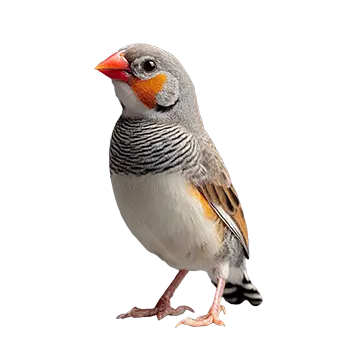
Adult zebra finches in their prime years are typically robust, active birds that require consistent but relatively straightforward care. The prime adult period spans from approximately six months of age through roughly four to five years, during which the birds exhibit their brightest plumage, most vigorous activity levels, and strongest vocalizations. Maintaining this vitality depends on a combination of proper nutrition, a clean and stimulating environment, and attentive observation for early signs of illness.

Daily health monitoring should become a habit for every finch keeper. Take a moment each morning to observe your birds as they wake and begin their routine. Healthy adult zebra finches are alert, active, and vocal from the moment their cage cover is removed or the lights come on. They should move fluidly between perches, eat and drink readily, and interact socially with their flockmates. Any deviation from these normal behaviors, such as prolonged fluffing, sitting on the cage floor, labored breathing, or isolation from the group, warrants closer attention.

Regular cage maintenance is foundational to good health. Clean the cage bottom at least every other day, wash food and water dishes daily with hot water, and perform a thorough deep cleaning of the entire cage weekly. Bacteria, mold, and parasites thrive in soiled environments and can cause respiratory infections, digestive problems, and feather issues. Replace perches and toys as they become worn or soiled, and inspect natural wood perches for signs of mite infestation.

Annual or biannual wellness visits with an avian veterinarian are recommended even when your birds appear healthy. These checkups allow the vet to detect subtle problems that may not be visible to the untrained eye, such as early organ changes, parasites, or nutritional deficiencies. Establishing a baseline of normal health parameters for your birds makes it easier to identify changes over time.

Nutrition at Maturity

A well-balanced diet is the cornerstone of zebra finch health throughout the adult years. The dietary foundation should consist of a high-quality finch seed mix containing a blend of millet varieties, canary seed, and small amounts of other seeds. While seed forms the staple, it should not be the exclusive food source, as an all-seed diet lacks essential vitamins, minerals, and amino acids that finches need for long-term health.

Fresh vegetables and greens should be offered daily to supplement the seed diet. Romaine lettuce, kale, spinach, dandelion greens, and broccoli florets are all excellent choices that most zebra finches will readily accept. Introduce new foods gradually and do not be discouraged if your birds initially ignore unfamiliar items. Persistence is key, and placing fresh foods near preferred perching spots can encourage exploration. Small amounts of fruit such as apple slices, berries, or melon can be offered as occasional treats.

Protein supplementation remains important for adult finches, particularly during molting periods when the body requires additional resources for feather production. Egg food, offered two to three times per week during non-breeding periods and daily during the molt, provides an easily digestible protein source. Sprouted seeds also offer enhanced nutritional value compared to dry seed and can be offered several times per week.

Calcium supplementation through cuttlebone and mineral blocks should be available at all times. Calcium is especially critical for females, who deplete their calcium reserves during egg production even when breeding is not intended. Some adult females will lay eggs without a mate present, and adequate calcium stores help prevent the dangerous condition of egg binding. Grit remains a topic of debate among avian experts, but a small amount of soluble grit such as oyster shell can be offered separately for birds that seek it out.

Exercise & Flight

Flight is the primary form of exercise for zebra finches, and ensuring adequate space for sustained flight is essential for adult health. Unlike parrots, which climb and explore using their beaks and feet, finches rely on horizontal flight to maintain cardiovascular fitness, muscle tone, and mental well-being. A flight cage measuring at least 30 inches in length is the minimum for a pair, but larger enclosures that permit longer flight paths are strongly preferred.

Adult zebra finches that are housed in cages too small for meaningful flight often develop health problems over time, including obesity, muscle atrophy, and behavioral issues such as feather plucking or excessive aggression. If upgrading to a larger cage is not feasible, providing supervised out-of-cage flight time in a bird-safe room can compensate. Ensure all windows and mirrors are covered or marked to prevent collisions, close all doors, turn off ceiling fans, and remove any toxic plants or open water containers before releasing your birds.

Bathing is another form of physical activity that adult zebra finches enthusiastically embrace. Most finches will bathe daily if given the opportunity, splashing vigorously in a shallow dish of room-temperature water. Bathing helps maintain feather condition, supports natural preening behavior, and provides a form of enrichment. Offer a bath dish in the morning and remove it after a few hours to prevent soiling.

Environmental variety also promotes physical activity. Rearranging perches, introducing new branches, and rotating enrichment items periodically encourages the birds to explore their space anew. Hanging spray millet at different locations within the cage motivates flight and foraging behavior. These small changes prevent the sedentary habits that can develop when birds become too comfortable with a static environment.

Preventive Health Care

Preventive care for adult zebra finches centers on environmental management, nutritional support, and early detection of illness. Because finches are small prey animals, they instinctively mask signs of illness until they are quite unwell. By the time a zebra finch appears visibly sick, the condition may already be advanced. This makes proactive prevention and keen daily observation significantly more important than reactive treatment.

Respiratory infections are among the most common health concerns in captive finches. These can be caused by bacteria, fungi, or airborne irritants such as cooking fumes, aerosol sprays, scented candles, and cigarette smoke. Maintaining excellent air quality in the room where your birds are housed is one of the most effective preventive measures you can take. Use air purifiers with HEPA filters if possible, and never use nonstick cookware or self-cleaning ovens in the same home as pet birds, as the fumes released are acutely toxic to avian respiratory systems.

Parasites, including air sac mites, feather mites, and intestinal worms, can affect finches at any age. Regular cage cleaning reduces the risk of parasitic infestation, but exposure can occur through contaminated food, contact with wild birds, or introduction of new birds to the flock. Quarantine any new birds for a minimum of 30 days before introducing them to your existing flock, and have new arrivals examined by an avian veterinarian during the quarantine period.

Obesity is an underrecognized health concern in captive zebra finches, particularly those housed in small cages with unlimited access to high-fat seeds. An overweight finch is at increased risk for fatty liver disease, heart problems, and reduced lifespan. Monitor your birds' body condition by observing the prominence of the keel bone. A healthy finch should have a keel that is easily palpable but not sharp or protruding, with a moderate layer of muscle on either side.

Behavioral Maturity

Adult zebra finches display a rich repertoire of social behaviors that reflect their highly communal nature. Pair bonding is central to zebra finch social life, and mated pairs will engage in mutual preening, bill touching, and side-by-side perching throughout their adult years. These bonds can be remarkably strong and persistent, with some pairs maintaining their partnership for life. The stability of pair bonds contributes to overall flock harmony and individual well-being.

Male zebra finches are well known for their singing behavior, which serves both territorial and courtship functions. Each male develops a unique song during his juvenile period and refines it into a fixed, personal song by early adulthood. This song remains essentially unchanged throughout the bird's life and is used to attract and maintain a bond with a female partner. Males will sing frequently throughout the day, particularly in the morning and during social interactions with other birds.

Aggression in adult zebra finch flocks is generally mild but can become problematic in overcrowded conditions or when resources are limited. Dominant birds may chase subordinate individuals away from food dishes or preferred perching spots. Providing multiple feeding stations, water sources, and perching options distributed throughout the cage minimizes competition and reduces stress for lower-ranking birds. If persistent bullying occurs, the aggressor or the victim may need to be temporarily separated.

Stress behaviors to watch for in adult finches include excessive preening or feather damage, persistent alarm calling, loss of appetite, and withdrawal from flock activities. Common stressors include cage placement near high-traffic areas, exposure to household pets such as cats, sudden changes in routine, and sleep disruption from artificial light at night. Addressing the underlying stressor is always more effective than treating the behavioral symptoms alone.

Feather Care & Molting

Adult zebra finches undergo a complete molt once or twice per year, during which they gradually replace all of their feathers over a period of several weeks. Molting is an energy-intensive process that places significant demands on the bird's nutritional reserves. During active molt, increase the availability of protein-rich foods such as egg food and sprouted seeds, and ensure that cuttlebone and mineral supplements are readily accessible. Some keepers also add a small amount of avian vitamin supplement to the water during the molt, though this should be discussed with your veterinarian.

During the molt, finches may appear scruffy and less vibrant than usual as old feathers fall out and new pin feathers emerge. The birds may also be quieter and less active, conserving energy for feather production. This is normal and not a cause for concern as long as the bird continues to eat, drink, and maintain its weight. However, if molting seems excessive, patchy, or prolonged beyond six to eight weeks, or if bare skin is visible, consult an avian veterinarian to rule out nutritional deficiencies, hormonal imbalances, or parasitic infection.

Between molts, maintaining feather condition is largely the bird's own responsibility through regular preening and bathing. Providing daily bathing opportunities supports the natural oils and structure of the feathers. Avoid using any sprays, oils, or conditioning products on your finches unless specifically prescribed by a veterinarian, as these can damage the delicate feather structure and interfere with the bird's natural waterproofing.

Feather quality is one of the most visible indicators of overall health in zebra finches. A healthy adult should have smooth, well-aligned feathers with a subtle sheen. Dull, rough, or persistently ruffled feathers can indicate nutritional problems, chronic stress, or underlying illness. Broken or damaged feathers will be replaced at the next molt, but persistent feather damage may suggest environmental issues such as cage bars that are too narrow or abrasive perch surfaces.

Always consult a qualified professional before making any health-related decisions. This content is provided for informational reference only and should not replace professional guidance specific to your animal.