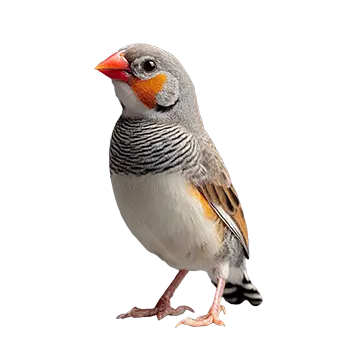

Before committing to breeding zebra finches, it is essential to evaluate whether the timing, circumstances, and individual birds are appropriate for reproduction. While zebra finches are famously prolific breeders that will nest readily in captivity, responsible breeding requires forethought and planning. Both the male and female should be in excellent health, at least nine months to one year of age, and displaying robust energy levels, clean plumage, and normal body weight before being paired for breeding.
Younger birds may be physically capable of producing eggs as early as three to four months old, but breeding at such a young age carries significant health risks. Females whose skeletal and reproductive systems are not fully developed are at increased risk of egg binding, calcium depletion, and overall physical exhaustion. Males bred too young may produce less viable offspring. Allowing birds to fully mature before breeding produces healthier parents and stronger chicks.
Before pairing, assess whether you have appropriate homes for the resulting offspring. A single pair of zebra finches can produce multiple clutches per year, with four to six eggs per clutch being common. Without a clear plan for the chicks, populations can quickly become unmanageable. Responsible breeders establish a network of potential adopters, maintain relationships with local avian societies, or limit breeding to a specific number of clutches per year by removing nesting materials between breeding cycles.
Both prospective parents should receive a veterinary health check before breeding begins. The vet can assess overall condition, check for parasites or infections, and confirm that the female has adequate calcium reserves for egg production. Addressing any health issues before breeding ensures the best possible outcomes for both the parents and their future offspring.