
When Does Senior Begin?

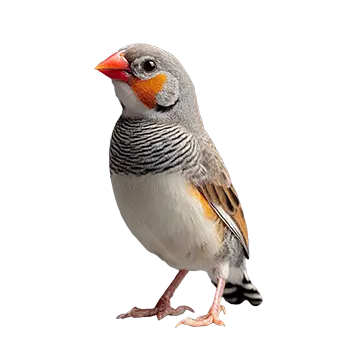
Zebra finches are relatively short-lived birds, with an average captive lifespan of five to eight years, though some well-cared-for individuals may reach ten years or beyond. The transition into the senior stage typically begins around four to five years of age, though this varies depending on genetics, diet, and overall care throughout the bird's life. Unlike larger parrot species that may not show signs of aging for decades, zebra finches can decline relatively quickly once they enter their later years.

The onset of aging in zebra finches is often subtle. Early signs may include a slight decrease in activity level, less frequent singing in males, and a tendency to rest more during the day. The bird's plumage may lose some of its vibrancy, appearing slightly duller or less tightly groomed than during the prime adult years. These changes happen gradually and can be easy to miss if you are not paying close attention to your birds' daily routines.

It is worth noting that zebra finches do not age uniformly. A bird that has been maintained on an excellent diet with plenty of flight space may remain vigorous well past the five-year mark, while a bird that has lived in a cramped cage on an inadequate diet may show signs of aging much earlier. Genetics also play a significant role, and some breeding lines are known for greater longevity than others.

Once you recognize that your zebra finch is entering its senior years, the focus of care should shift from maintenance to proactive support. This means adapting the environment, diet, and veterinary schedule to accommodate the bird's changing needs. Early intervention and thoughtful adjustments can significantly extend both the length and quality of a senior finch's remaining years.

Mobility & Physical Changes

As zebra finches age, their physical capabilities gradually decline. One of the most noticeable changes is reduced flight ability. Senior finches may fly less frequently, cover shorter distances, and show hesitation before launching from a perch. Their landings may become less precise, and you might notice occasional stumbles or misjudged perch grips. These changes reflect normal age-related decline in muscle strength, joint flexibility, and reflexes.

To accommodate reduced mobility, consider modifying the cage layout. Lower the placement of food and water dishes so the bird does not need to fly far to access essential resources. Add additional perches at lower levels, and ensure that perches are spaced close enough together for the bird to hop between them rather than needing to fly. Wider, flat-topped perches or small platforms can provide more secure footing for birds whose grip strength is declining.

Foot problems become more common in senior finches. Bumblefoot, a bacterial infection of the foot pad, can develop from prolonged pressure on the same perch surface. Using a variety of perch diameters and textures helps distribute pressure across different parts of the foot. Inspect your senior bird's feet regularly for any redness, swelling, or sores, and consult an avian veterinarian promptly if you notice any abnormalities.

Overgrown nails and beaks are another common issue in aging finches. As birds become less active, their nails may not wear down naturally through perching and activity. Regular nail trimming by an experienced keeper or veterinarian prevents the nails from catching on cage bars or fabric, which can cause injury. Similarly, an overgrown beak can interfere with eating and should be addressed by a professional.

Cognitive & Behavioral Changes

While cognitive decline in zebra finches is not as well-documented as in longer-lived species, observant keepers often notice behavioral changes in their senior birds that suggest age-related shifts in mental function. A previously bold and active bird may become more cautious, spending longer periods sitting quietly on a favored perch rather than engaging with the flock. Males may sing less frequently or with less complexity than during their prime years.

Changes in social behavior are also common. Some senior finches become more dependent on their bonded partner, maintaining closer physical proximity and showing signs of distress when separated. Others may become less tolerant of younger, more energetic flockmates and may prefer a quieter corner of the cage. Paying attention to these preferences and ensuring the senior bird has access to calm resting spots away from boisterous activity is important for reducing stress.

Sleep patterns may shift as well. Senior finches often require more rest than younger birds and may begin settling on their roosting perch earlier in the evening. Ensuring a consistent and adequate dark period of 10 to 12 hours each night becomes even more important for older birds, as disrupted sleep can accelerate decline and weaken the immune system. A cage cover or a dedicated quiet room for nighttime rest helps maintain a healthy sleep schedule.

Disorientation or loss of coordination that appears suddenly, rather than developing gradually, may indicate a medical issue such as a stroke, inner ear infection, or neurological condition rather than normal aging. Any acute change in behavior, balance, or awareness should be treated as a veterinary emergency.

Nutrition for Aging

The nutritional needs of senior zebra finches shift as their metabolism slows and their bodies become less efficient at absorbing nutrients. Maintaining a high-quality diet becomes even more critical during this stage, as nutritional deficiencies that might be tolerated by a younger bird can have more severe consequences in an aging one. Continue offering a varied diet of seed, fresh vegetables, egg food, and sprouted seeds, but be prepared to make adjustments based on the individual bird's condition and appetite.

Senior finches may have difficulty cracking harder seed hulls as their beak strength diminishes. If you notice your bird struggling with whole seeds or leaving more empty husks than usual, consider offering hulled seeds, smaller seed varieties, or softened foods that require less effort to consume. Soaked or sprouted seeds are especially valuable for senior birds because they are softer, more digestible, and nutritionally enhanced compared to dry seed.

Weight management is a balancing act with aging finches. Some birds tend toward obesity as their activity level decreases, while others lose weight due to reduced appetite or absorption issues. Weigh your senior finch weekly using a gram scale to track trends. Gradual weight loss over time can indicate chronic illness, dental problems, or organ decline and should be discussed with your veterinarian. Sudden weight loss is a more urgent concern that requires prompt attention.

Supplementation may become more important for senior birds. A small amount of avian multivitamin added to the water or food once or twice a week can help address nutritional gaps, but consult your veterinarian before starting any supplement regimen. Calcium supplementation through cuttlebone remains important, and probiotics designed for birds can support digestive function in older individuals whose gut flora may be less robust than it once was.

Increased Veterinary Care

Senior zebra finches benefit from more frequent veterinary checkups than younger birds. While annual wellness visits are adequate for healthy adults, increasing the frequency to every six months for birds over five years of age allows your veterinarian to monitor age-related changes more closely and catch developing problems earlier. Given the small size and rapid metabolism of finches, conditions can progress quickly, making early detection especially valuable.

Common health concerns in senior zebra finches include tumors, liver disease, kidney problems, and respiratory infections. Tumors, both benign and malignant, become more prevalent with age and may present as visible lumps under the skin or as internal masses that cause changes in behavior, appetite, or droppings. Your veterinarian can assess any suspicious swellings and discuss diagnostic and treatment options based on the individual case.

Liver disease is particularly common in older finches that have been maintained on a high-fat, seed-heavy diet throughout their lives. Signs may include overgrown beak, changes in feather color or quality, weight gain, and lethargy. While advanced liver disease may not be reversible, dietary improvements and supportive care can slow progression and maintain comfort. This underscores the importance of providing a balanced diet throughout the bird's life as a preventive measure.

Transporting a small, elderly finch to the veterinarian requires some care. Use a small, secure travel carrier lined with a soft towel, and keep the carrier covered to reduce stress during the journey. Maintain a comfortable temperature during transport, as senior birds are less able to thermoregulate effectively. If your bird becomes severely stressed by veterinary visits, discuss with your vet whether at-home consultations or telemedicine appointments might be appropriate for routine follow-ups.

Quality of Life Assessment

Assessing quality of life in a senior zebra finch requires ongoing, honest observation. Because finches are stoic prey animals, they are adept at concealing pain and discomfort. As a keeper, you are in the best position to notice the subtle changes that indicate whether your bird is still enjoying life or beginning to suffer. Developing a mental checklist of your bird's normal behaviors and regularly evaluating against that baseline helps you make informed decisions about care and, eventually, about end-of-life considerations.

Key quality of life indicators for zebra finches include appetite and eating behavior, activity level and willingness to fly or hop between perches, social engagement with flockmates or a bonded partner, vocalizations, preening and self-care behavior, and overall alertness. A bird that is still eating well, interacting with companions, and maintaining basic grooming routines is generally enjoying a reasonable quality of life, even if it is less active than it was in its younger years.

Conversely, a bird that has stopped eating or is losing weight despite food availability, sits fluffed and isolated on the cage floor, has ceased all vocalizations, or shows signs of labored breathing may be experiencing significant distress. These signs do not automatically mean the bird is at end of life, and many conditions are treatable, but they do warrant immediate veterinary evaluation to determine whether the bird's comfort can be restored.

Quality of life is not a static assessment but an ongoing conversation between you, your bird, and your veterinarian. Some senior finches live comfortably for years with chronic conditions that are well-managed through dietary adjustments and supportive care. Others may decline more rapidly. The goal is always to prioritize the bird's comfort and dignity, making adjustments to care as needed and seeking professional guidance when the path forward is unclear.

Always consult a qualified professional before making any health-related decisions. This content is provided for informational reference only and should not replace professional guidance specific to your animal.