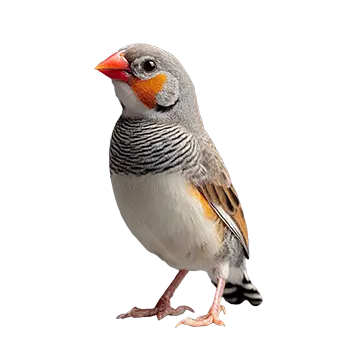

Zebra finch eggs typically hatch after an incubation period of roughly 12 to 16 days. The hatchlings emerge blind, nearly featherless, and entirely dependent on their parents for warmth and nourishment. During the first hours of life, it is critical that the chicks remain undisturbed in the nest so the parents can begin their feeding routine without stress. Resist the urge to handle the chicks or inspect the nest too closely, as excessive disturbance can cause the parents to abandon the clutch.
Newborn zebra finches weigh only about one gram at hatching and are covered in a sparse layer of fine down. Their skin appears translucent and pinkish, and their eyes are sealed shut. Within the first few hours, the parents will begin feeding the chicks a regurgitated mixture of softened seed and crop milk. You may notice the parents making frequent trips between the food dish and the nest, which is a reassuring sign that feeding has begun.
During this initial period, ensure the cage environment is calm and stable. Keep the room at a consistent temperature between 70 and 80 degrees Fahrenheit and avoid placing the cage near drafts, windows with direct sunlight, or noisy household appliances. Providing the parents with fresh egg food, sprouted seeds, and finely chopped greens alongside their regular seed mix will support the nutritional demands of feeding newborn chicks.
If a chick is found outside the nest during the first day, you can gently return it using a clean, warm spoon or your clean hands. However, if the parents repeatedly push a chick out, it may indicate the chick is not viable. Consult an avian veterinarian if you are unsure about the health of any hatchlings.