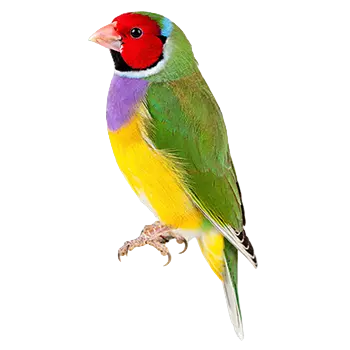

Recognizing that a Gouldian Finch is approaching the end of its life can be difficult, particularly because these small birds are naturally inclined to conceal weakness and illness. The transition from manageable senior decline to terminal deterioration is often gradual, making it challenging to pinpoint the exact moment when a bird's condition has shifted from treatable to irreversible. However, certain patterns of decline, taken together, paint a picture that experienced keepers learn to read.
Persistent and progressive weight loss is one of the most reliable indicators that a Gouldian Finch is nearing the end of its life. When an aging bird continues to lose weight despite access to adequate nutrition, it often signals that the body's organs are no longer processing food efficiently or that an underlying disease process has advanced beyond the point of recovery. A bird that has dropped below 11 or 12 grams and continues to trend downward is in a precarious state, regardless of how alert or active it may still appear.
Behavioral withdrawal is another significant indicator. A finch that was previously social, active, and engaged with its environment may begin spending long periods sitting motionless on a low perch or on the cage floor, often with feathers fluffed and eyes partially or fully closed during waking hours. It may stop preening, lose interest in bathing, and cease vocalizing. In a flock setting, a declining bird may position itself apart from the group, no longer participating in the communal roosting and feeding behaviors that characterized its healthier years.
Respiratory changes — labored breathing, tail bobbing at rest, audible wheezing or clicking, and open-mouth breathing — often accompany terminal decline in Gouldian Finches, whether the underlying cause is air sac mites, organ failure, or systemic infection. When respiratory symptoms persist despite appropriate treatment, or when they appear in a bird that has already been declining in other areas, they generally indicate that the bird's body is struggling to maintain basic physiological function.