
Peak Health Maintenance

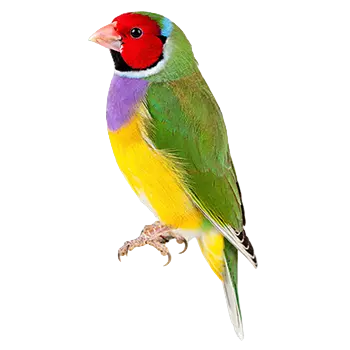
A Gouldian Finch reaches full physical maturity and displays its complete adult plumage by approximately six to nine months of age. The adult phase represents the longest portion of the bird's life, typically spanning from the completion of the juvenile molt through to the onset of age-related decline around five to six years of age. During these prime years, the keeper's primary responsibility shifts from managing rapid developmental changes to maintaining a stable, healthy environment that supports consistent well-being.

Daily observation remains the cornerstone of health maintenance for adult Gouldians. These small birds are adept at masking illness — a survival adaptation that means visible symptoms often indicate a condition that has already progressed significantly. Keepers should develop the habit of assessing each bird's posture, activity level, feather condition, and droppings every day. A healthy adult Gouldian is alert, active, sleek-feathered, and produces firm, well-formed droppings with a white urate component.

Weight monitoring provides one of the earliest and most objective indicators of health changes. An adult Gouldian Finch typically weighs between 14 and 17 grams, and fluctuations of more than a gram in either direction over a short period warrant investigation. A small digital gram scale is an invaluable tool — training the bird to step onto the scale voluntarily, or weighing it gently in a lightweight container, allows for regular tracking without excessive handling stress.

Environmental stability is especially important for this species. Gouldian Finches are sensitive to temperature swings, drafts, and environmental stressors such as cigarette smoke, aerosol sprays, nonstick cookware fumes, and strong cleaning chemicals. The air quality in the bird room should be clean and well-ventilated without being drafty. Maintaining a consistent daily routine — including light cycles, feeding times, and cage maintenance schedules — reduces chronic stress and supports immune function throughout the adult years.

Nutrition at Maturity

The dietary needs of an adult Gouldian Finch are somewhat less demanding than during the growth and molting phases of youth, but nutrition remains a critical pillar of long-term health. A high-quality finch seed mix forms the dietary foundation and should include a blend of white and yellow millet, canary grass seed, niger seed, and small amounts of other compatible seeds. Seed quality matters enormously — fresh, clean seed with intact hulls and a pleasant, grain-like smell is far superior to dusty, stale mixes that may harbor mold or insect contamination.

Supplemental foods are essential to prevent the nutritional deficiencies that a seed-only diet inevitably creates. Fresh leafy greens such as kale, romaine lettuce, dandelion greens, and spinach should be offered several times per week. Sprouted seeds provide a nutrient-dense alternative that many Gouldians consume more readily than raw vegetables. Egg food, while not needed daily outside of breeding and molting seasons, should be offered periodically to maintain protein intake and keep the birds accustomed to this food source for when it becomes critical during molt.

Mineral and vitamin supplementation bridges the nutritional gaps inherent in a captive diet. Cuttlebone and mineral blocks supply calcium and trace minerals essential for bone maintenance and feather quality. A fine-grit mixture aids digestion by facilitating the mechanical breakdown of seeds in the gizzard. Water-soluble vitamin supplements can be added to the drinking water on a rotating schedule — typically a few days per week rather than continuously — to support immune function and overall vitality without risking over-supplementation.

Fresh, clean water is a non-negotiable daily requirement that is sometimes overlooked in its simplicity. Gouldian Finches are prone to bacterial infections, and contaminated water is one of the most common vectors. Water dishes should be cleaned and refilled with fresh water at least once daily, and positioned within the cage to minimize contamination from droppings and seed husks. Some keepers prefer tube-style water dispensers, which maintain cleanliness more effectively than open dishes.

Exercise & Flight

Adequate flight opportunity is not a luxury for adult Gouldian Finches — it is a fundamental requirement for physical and psychological health. These birds are naturally active flyers, and the confined conditions of captivity can easily lead to obesity, muscle atrophy, and stress-related behavioral problems if the enclosure does not permit meaningful flight. The minimum recommended cage size for a pair of adult Gouldians is 30 inches long by 18 inches wide by 18 inches high, though significantly larger enclosures or dedicated flight cages are strongly preferred.

Cage design should prioritize horizontal space over vertical height, as finches fly in level trajectories rather than climbing up and down. Perches should be placed at both ends of the cage to encourage sustained flight between them, with the central space kept relatively uncluttered. A variety of perch materials — natural branch, rope, and textured surfaces — supports foot health and provides environmental complexity. Avoid placing perches directly above food or water dishes, where droppings would contaminate supplies.

For keepers with the space and resources, an indoor aviary provides the ideal flight environment for adult Gouldians. An aviary measuring four feet or more in length allows the birds to engage in the rapid, darting flight patterns that are characteristic of healthy finches. Colony housing in an aviary also stimulates natural social behaviors — mutual preening, group foraging, and synchronized roosting — that contribute to mental well-being and reduce the incidence of behavioral issues such as feather plucking.

Seasonal outdoor aviary access can provide additional enrichment where temperatures remain within the species' comfort range of 65 to 85 degrees Fahrenheit. Natural sunlight exposure supports vitamin D metabolism and enhances feather coloration, while the sensory richness of an outdoor environment — ambient sounds, air movement, and changing light — provides stimulation that indoor housing cannot replicate. Any outdoor enclosure must be fully enclosed, predator-proof, and equipped with shaded retreat areas to prevent overheating.

Preventive Health Care

Preventive health care for adult Gouldian Finches centers on minimizing exposure to the diseases and parasites that this species is particularly vulnerable to, combined with regular veterinary assessment. Annual wellness examinations with an avian veterinarian are recommended for all adult Gouldians, even those that appear outwardly healthy. These visits allow for fecal parasite screening, crop swabs to check for candida or bacterial overgrowth, and a thorough physical assessment that can detect early signs of illness before they become clinically apparent.

Air sac mites remain a persistent threat throughout the Gouldian Finch's life and are arguably the single most significant health concern for this species in captivity. These microscopic parasites colonize the respiratory tract and can cause progressive breathing difficulty, weight loss, and death if untreated. Preventive treatment protocols vary among avian veterinarians, but many recommend periodic prophylactic treatment with veterinarian-prescribed antiparasitic agents, particularly before breeding season or when introducing new birds to a collection.

Hygiene is the most effective and least costly form of preventive medicine. The cage or aviary floor should be cleaned of droppings and discarded food daily, with a thorough disinfection of all surfaces, perches, and dishes performed weekly. Nest boxes, if present, should be cleaned and inspected between uses. New birds should always be quarantined in a separate room for a minimum of 30 days before being introduced to an existing flock, and any bird showing signs of illness should be isolated immediately to prevent the spread of contagious diseases.

Stress management is an underappreciated component of preventive care. Chronic stress suppresses the immune system and predisposes birds to opportunistic infections. Common stressors for Gouldian Finches include overcrowding, aggression from cage mates, sudden environmental changes, excessive handling, and exposure to household hazards such as loud noises, predatory pets, or toxic fumes. Identifying and mitigating these stressors is a proactive step that can significantly reduce the frequency and severity of health problems throughout the adult years.

The Annual Molt

The annual molt is the most physiologically demanding event in an adult Gouldian Finch's yearly cycle, and managing it well is essential to maintaining vibrant plumage and overall health. Adult Gouldians typically undergo a complete molt once per year, most commonly in late summer or early autumn, though the exact timing can be influenced by photoperiod, temperature, and the bird's reproductive history. During the molt, every feather on the body is gradually shed and replaced, a process that draws heavily on the bird's protein, mineral, and energy reserves.

The nutritional demands during molt are substantially higher than during the rest of the year. Increasing the availability of protein-rich foods — egg food, sprouted seeds, and high-quality seed mixes — during this period directly supports feather production and reduces the duration and physiological stress of the molt. Sulfur-containing amino acids, particularly methionine, are critical building blocks for keratin, the structural protein of feathers. Many commercial molt supplements are formulated to provide these specific nutrients.

Behavioral changes during the molt are normal and should not be mistaken for illness. Molting birds are often quieter, less active, and may appear slightly scruffy or unkempt as old feathers fall out and new ones emerge in their sheaths. Some birds become irritable or withdrawn during heavy molt phases, particularly when large flight or tail feathers are being replaced. Reducing environmental stressors and avoiding unnecessary handling during this period helps the bird conserve energy for feather production.

The quality of the incoming plumage is a direct reflection of the bird's overall health and nutritional status. Rich, saturated colors with smooth feather structure indicate a well-nourished bird in good condition. Dull coloration, stress bars visible as horizontal lines across feather vanes, or ragged feather edges suggest that the bird experienced nutritional deficiency or significant stress during the growth phase of that feather. If poor feather quality is observed, a review of diet, environment, and veterinary status is warranted to correct any underlying issues before the next molt cycle.

Feather & Beak Care

Unlike many larger companion birds, Gouldian Finches require minimal direct grooming intervention from their keepers. These birds are meticulous self-groomers, spending significant portions of each day preening, aligning feather barbs, and distributing natural oils from the preen gland at the base of their tail across their plumage. The keeper's role is not to perform grooming tasks directly but to provide the environmental conditions that support the bird's own grooming behaviors.

Bathing is an important component of feather maintenance, and most Gouldian Finches will bathe readily when provided with the opportunity. A shallow dish of clean, lukewarm water placed on the cage floor or a clip-on bath house attached to the cage door should be offered several times per week. Many birds prefer to bathe in the morning and will splash enthusiastically for several minutes before retiring to a perch to preen and dry. The bath water should be removed after an hour or two to prevent it from becoming contaminated.

Beak condition in adult Gouldians rarely requires human intervention if the bird's diet includes adequate mineral sources and the cage contains appropriate items for natural beak maintenance. Cuttlebone and mineral blocks serve a dual purpose — providing calcium supplementation and offering a textured surface against which the bird naturally conditions its beak. If the beak becomes overgrown, misaligned, or develops an abnormal appearance, this is typically a sign of an underlying health issue such as liver disease, mite infestation, or nutritional deficiency, and the bird should be examined by an avian veterinarian rather than treated at home.

Nail trimming may occasionally be necessary for birds housed on smooth perches that do not provide sufficient wear. Overgrown nails can catch on cage bars, textiles, or other surfaces and cause injury. If trimming is needed, it should be performed by an experienced handler or avian veterinarian using appropriate restraint techniques and sharp nail clippers designed for small birds. Natural branch perches with rough bark help maintain nail length and reduce the frequency of trimming.

Always consult a qualified professional before making any health-related decisions. This content is provided for informational reference only and should not replace professional guidance specific to your animal.