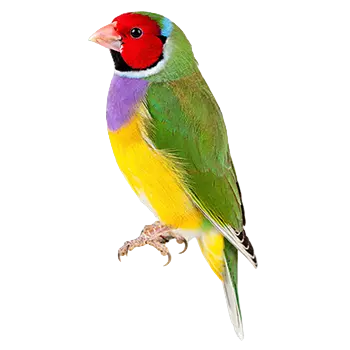

Gouldian Finches should not be bred until they have reached full physical and sexual maturity, which occurs at approximately nine to twelve months of age at the earliest. While some birds may display courtship behaviors or even attempt to nest before this age, breeding immature birds carries significant risks including egg binding in underdeveloped females, poor parental instincts, and weakened offspring. Patience during this preparatory period pays dividends in the form of healthier parents, stronger chicks, and more reliable rearing behavior.
Both the male and female should be in peak physical condition before breeding is attempted. This means a stable, healthy weight within the normal range for the species, fully completed annual molt with vibrant adult plumage, clear eyes and nostrils, clean vent area, and active, alert behavior. Any bird showing signs of illness, incomplete molt, underweight condition, or recent recovery from a health issue should not be bred until it has fully recovered and been cleared by an avian veterinarian.
Conditioning the pair for breeding involves gradually increasing the richness of the diet over a period of two to four weeks before introducing the nest box. This conditioning diet should include daily egg food, increased availability of sprouted seeds, fresh greens, and enhanced mineral supplementation — particularly calcium for the female, whose body will draw heavily on calcium reserves during egg formation. The photoperiod should also be gradually extended to 13 to 14 hours of light per day, simulating the longer days that trigger breeding behavior in the wild.
The breeding pair should be well established and compatible before nesting materials are offered. Gouldian Finches can be selective about their mates, and not every pairing will result in a compatible bond. Signs of a bonded pair include mutual preening, sitting closely together on a perch, and the male performing courtship displays — puffing his chest, bobbing rhythmically, and singing to the female. If a pair displays persistent aggression, avoidance, or indifference after several weeks together, they are unlikely to breed successfully and an alternative pairing should be considered.