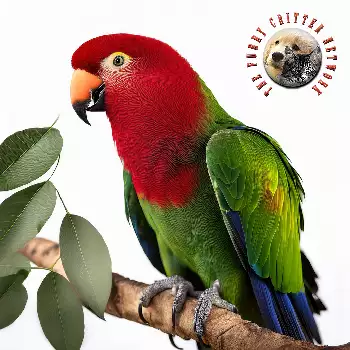

Determining when an Eclectus Parrot enters its senior years is not as straightforward as it might be with shorter-lived pets. With a potential lifespan of 30 to 50 years in captivity, the senior phase generally begins around 25 to 30 years of age, though this varies considerably depending on the individual bird's genetics, diet, and overall quality of care throughout its life. Some birds remain vigorous and active well into their thirties, while others may show signs of aging earlier.
The transition into the senior years is typically gradual rather than sudden. Early indicators may include a slight reduction in activity level, less interest in vigorous play, longer rest periods, and subtle changes in vocalization frequency or volume. The bird's plumage may lose some of its former brilliance, and the molt cycle may take longer to complete than it did during the prime years.
Unlike dogs or cats, where age-related changes are well documented and predictable, avian geriatrics is a relatively young field, and much of what we know about aging in parrots comes from clinical observation rather than large-scale studies. This makes regular veterinary monitoring especially important as your Eclectus enters its later decades, since there is less published data to guide expectations compared to more commonly studied companion animals.
It is important to approach the senior years with a mindset of adaptation rather than decline. An aging Eclectus Parrot still has needs for enrichment, social interaction, and purpose in its daily life. The goal of senior care is not simply to manage decline but to optimize quality of life by making thoughtful adjustments to the bird's environment, diet, and routine as its needs evolve.