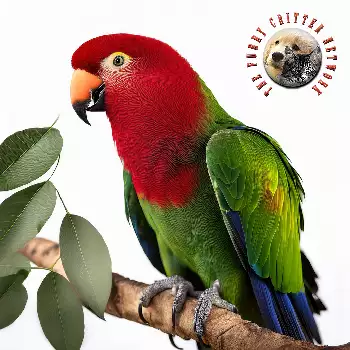

The juvenile phase of an Eclectus Parrot begins around the time of fledging, typically between 10 and 12 weeks of age, and continues through the first year and into the second year as the bird approaches sexual maturity. During this period, the parrot undergoes dramatic physical transformation, completing its feathering and developing the vivid plumage that makes this species so visually striking. Males progress into their brilliant emerald green, while females develop their rich red and purple coloring.
Weight stabilization occurs during the juvenile months as the rapid growth of the neonatal period slows. A healthy juvenile Eclectus will typically weigh between 375 and 550 grams depending on the subspecies, and regular weighing remains an important monitoring tool. Weight fluctuations of more than ten percent in either direction warrant attention, as they may indicate illness, stress, or nutritional imbalance.
The first full molt typically occurs between six and twelve months of age and marks a significant developmental milestone. During this time, the bird will shed its juvenile feathers and replace them with adult plumage. The molt can be physically taxing, and the bird may appear slightly scruffy or irritable during the process. Nutritional support during the molt is critical, as feather production places heavy demands on the body's protein and mineral reserves.
Musculoskeletal development continues through the juvenile period as well. The bird's flight muscles strengthen with regular exercise, and coordination improves steadily. Providing ample space for flapping, climbing, and short flights within a safe environment supports healthy physical development and helps prevent obesity, which is a concern for Eclectus Parrots even at a young age.