
Peak Health Maintenance

An adult Eclectus Parrot in its prime years — roughly from age three through the mid-twenties — is a vibrant, intelligent companion that requires consistent, attentive care to remain at its best. The foundation of peak health is a stable daily routine that includes proper nutrition, regular exercise, adequate sleep, and ongoing mental stimulation. Eclectus Parrots are creatures of habit, and disruptions to their routine can manifest as stress-related behaviors or immune suppression.

Annual wellness examinations with a qualified avian veterinarian are essential even when the bird appears perfectly healthy. Parrots are prey animals and instinctively mask signs of illness until a condition is advanced. A thorough annual checkup including blood work, a physical examination, and weight assessment can detect developing problems long before outward symptoms appear, dramatically improving treatment outcomes.

Maintaining an ideal body weight is particularly important for Eclectus Parrots, as this species is prone to obesity when fed inappropriate diets or kept in environments with insufficient exercise opportunities. A healthy adult Eclectus should have a smoothly muscled keel bone that is palpable but not protruding. Your avian veterinarian can help you determine the optimal weight range for your individual bird based on its subspecies and body frame.

Environmental quality plays a significant role in long-term health. Clean air free from cooking fumes, aerosol sprays, scented candles, and cigarette smoke is critical, as avian respiratory systems are extraordinarily sensitive. Regular cage cleaning, fresh water provided multiple times daily, and a consistent light-dark cycle of 10 to 12 hours of darkness for sleep all contribute to sustained well-being.

Nutrition at Maturity

The adult Eclectus Parrot's diet should be well established by this stage, centered on a rich variety of fresh fruits, vegetables, legumes, and leafy greens. This species has a longer digestive tract than most similarly sized parrots, which means it extracts nutrients more efficiently and is particularly sensitive to dietary excess. Overreliance on commercially formulated pellets can lead to vitamin toxicity and the neurological symptoms — toe-tapping and wing-flipping — that are a hallmark concern of Eclectus care.

A balanced adult diet should consist primarily of fresh produce, supplemented with moderate amounts of high-quality pellets formulated for parrots, sprouted seeds, and cooked whole grains. Dark leafy greens such as kale, dandelion greens, and Swiss chard provide essential vitamins and minerals. Orange and yellow vegetables offer beta-carotene, while fresh fruits provide natural sugars and hydration. Variety is not just a preference for Eclectus Parrots — it is a nutritional necessity.

Foods to avoid include avocado, chocolate, caffeine, alcohol, and any foods high in salt, sugar, or artificial additives. Dairy products should be offered sparingly if at all, as birds lack the enzyme to properly digest lactose. Seeds and nuts, while enjoyed by the bird, should be treated as occasional treats rather than dietary staples due to their high fat content.

Observing the bird's droppings provides daily insight into digestive health and dietary adequacy. Normal droppings consist of a solid fecal component, white urates, and liquid urine. Changes in color, consistency, or volume can indicate dietary issues, dehydration, or the early stages of illness. Familiarizing yourself with what is normal for your bird makes it much easier to spot abnormalities quickly.

Exercise & Enrichment

Adult Eclectus Parrots require substantial daily exercise and mental enrichment to maintain both physical health and psychological well-being. A minimum of three to four hours of out-of-cage time each day is recommended, during which the bird should have access to climbing structures, play gyms, and safe areas for exploration. Flight, if the bird is flighted, is the most complete form of exercise and should be encouraged in a safe, enclosed environment.

Foraging remains one of the most important forms of enrichment throughout the adult years. Eclectus Parrots in the wild spend hours each day searching for food across a range of forest habitats, and captive birds retain this drive. Providing food in foraging toys, wrapping treats in paper, hiding food in puzzle boxes, and offering whole fruits and vegetables that require the bird to work to access the edible portions all satisfy this natural behavior.

Cognitive enrichment goes beyond foraging and includes training sessions, puzzle solving, and interactive play with the caretaker. Teaching new words, phrases, or tricks keeps the bird mentally sharp and strengthens the human-bird bond. Eclectus Parrots are capable of building substantial vocabularies and can learn to use words contextually, which makes ongoing speech training both rewarding and stimulating for the bird.

Rotating toys and rearranging the cage and play area on a regular basis prevents environmental stagnation. Introducing new textures, materials, and challenges keeps the bird curious and engaged. Birds that are deprived of adequate enrichment are at significantly higher risk of developing feather-destructive behaviors, excessive screaming, and other stress-related problems that can be difficult to resolve once established.

Preventive Health Care

Preventive health care for adult Eclectus Parrots extends well beyond the annual veterinary examination. Daily observation by the caretaker is the first line of defense, as subtle changes in behavior, appetite, vocalization, or droppings often precede obvious signs of illness. Keeping a simple daily log of the bird's food intake, activity level, and any behavioral notes creates a valuable record that can help the veterinarian identify patterns and emerging concerns.

Regular grooming is an essential component of preventive care. Nail trimming should be performed as needed to prevent overgrowth that can lead to foot injuries or difficulty perching. Beak maintenance is typically handled naturally through chewing on appropriate materials, but any beak abnormalities should be evaluated by a veterinarian. Bathing or misting with lukewarm water several times per week supports feather health and provides enrichment the bird typically enjoys.

Parasite prevention, while less of a concern for exclusively indoor birds, should not be overlooked entirely. Birds with any outdoor exposure or contact with other birds should be screened periodically for internal and external parasites. Maintaining strict hygiene in the cage environment — cleaning food and water dishes daily, replacing substrate regularly, and disinfecting surfaces weekly — minimizes the risk of bacterial, fungal, and parasitic infections.

Emergency preparedness is an often-neglected aspect of preventive care. Having a avian first-aid kit on hand, knowing the location and hours of the nearest emergency avian veterinary clinic, and maintaining a travel carrier that the bird is comfortable entering can make a critical difference in a time-sensitive health situation. Planning ahead removes dangerous delays when every minute counts.

Behavioral Maturity

By the time an Eclectus Parrot reaches full behavioral maturity — typically around three to four years of age — its personality and behavioral patterns are well established. The hormonal turbulence of adolescence has largely subsided, and the bird settles into a more predictable temperament. Adult Eclectus Parrots are generally known for their calm, gentle disposition compared to many other parrot species, though individual variation is significant and influenced heavily by early socialization and ongoing interaction.

Seasonal hormonal behavior remains a factor throughout the adult years, particularly during the breeding season in spring and early summer. During these periods, both males and females may display increased territoriality, nesting behavior, regurgitation, or heightened vocalizations. Managing hormonal behavior involves maintaining a consistent 10 to 12 hour dark sleep period, avoiding warm and enclosed nesting-like spaces, limiting physical stroking to the head and neck only, and reducing high-calorie foods during peak hormonal periods.

Bonding dynamics in adult Eclectus Parrots can be complex. While these birds are capable of forming strong bonds with multiple family members, they may show a preference for one individual. It is important to continue exposing the bird to all household members and occasional visitors to prevent excessive single-person bonding, which can lead to aggression toward others and distress when the preferred person is absent.

Behavioral problems that emerge during the adult years — such as biting, screaming, or feather destruction — almost always have an identifiable cause rooted in the bird's environment, routine, diet, or social interactions. Addressing the underlying cause rather than the surface behavior is the only effective approach to lasting resolution. Consultation with an avian behavior specialist can be invaluable for persistent issues.

Feather & Skin Care

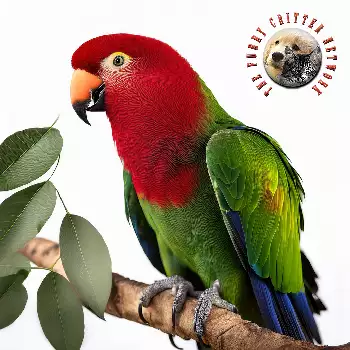
The spectacular plumage of the adult Eclectus Parrot requires consistent nutritional support and environmental conditions to maintain its luster and health. Feather quality is one of the most visible indicators of overall well-being, and dull, frayed, or discolored feathers often signal nutritional deficiencies, stress, or underlying health conditions. A diet rich in fresh fruits and vegetables, particularly those high in beta-carotene and vitamin A, supports the vibrant coloration that makes this species so distinctive.

Regular bathing or misting is important for feather and skin health. Most Eclectus Parrots enjoy a light misting with lukewarm water or access to a shallow bathing dish, and this should be offered at least three to four times per week. Bathing helps maintain the natural condition of the feathers, supports the health of the preen gland, and provides an opportunity for the bird to engage in natural grooming behaviors. Avoid using any soaps, shampoos, or feather-conditioning products unless specifically directed by an avian veterinarian.

Molting occurs at least once per year in adult Eclectus Parrots and can be a physically demanding process. During the molt, the bird may appear less vibrant and may be somewhat irritable as new feathers push through the skin in their protective keratin sheaths. Nutritional demands increase during this time, and offering additional protein-rich foods such as cooked legumes and sprouted seeds helps support healthy feather regrowth.

Feather-destructive behavior, commonly known as feather plucking, is one of the most challenging issues in captive parrot care and can affect Eclectus Parrots. If a bird begins damaging its own feathers, a thorough veterinary workup should be the first step to rule out medical causes such as infections, allergies, or liver disease. Once medical factors are excluded, behavioral and environmental factors — including boredom, stress, hormonal influences, and dietary imbalance — should be systematically evaluated and addressed.

Always consult a qualified professional before making any health-related decisions. This content is provided for informational reference only and should not replace professional guidance specific to your animal.