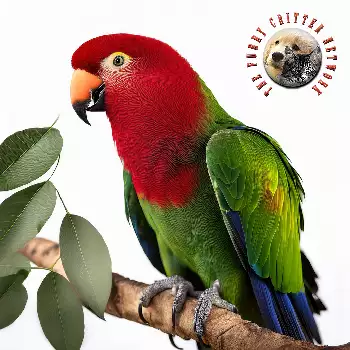

Recognizing that an Eclectus Parrot is approaching the end of its life is one of the most difficult aspects of parrot ownership, made more challenging by the bird's instinct to mask signs of illness and vulnerability. As a prey species, parrots have evolved to conceal weakness for as long as possible, which means that by the time symptoms become obvious to the caretaker, the bird's condition may already be advanced. This is why consistent, attentive daily observation throughout the bird's life is so valuable — it builds a baseline against which changes can be detected earlier.
Common indicators that an Eclectus Parrot's health is in serious decline include persistent weight loss despite adequate food availability, a progressive inability to perch or maintain balance, labored or open-mouth breathing, severe and ongoing changes in droppings, complete withdrawal from social interaction, and loss of interest in food or water. A bird that sits fluffed on the cage floor with half-closed eyes for extended periods is communicating profound discomfort or exhaustion.
It is important to distinguish between signs of a treatable illness and signs that the bird's body is shutting down. A sudden onset of severe symptoms in a previously healthy bird may indicate an acute condition that a veterinarian can address. In contrast, a gradual, progressive decline in a senior bird with known chronic conditions is more likely to represent the natural trajectory of the bird's aging process. In either case, a veterinary consultation is essential to understand what is happening and what options are available.
The emotional difficulty of this period cannot be overstated, particularly with a bird that may have been a companion for decades. Many Eclectus Parrot owners have shared their lives with their bird for 20, 30, or even 40 years, creating a bond of extraordinary depth. Approaching this stage with openness, honesty, and willingness to prioritize the bird's comfort over one's own reluctance to let go is the final act of devoted care.