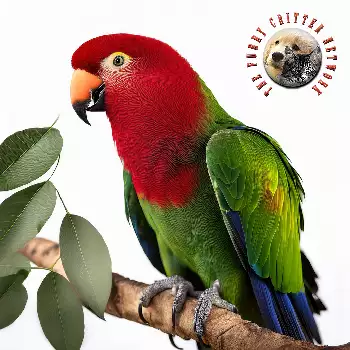

The First 24 Hours

Eclectus Parrot chicks hatch after an incubation period of approximately 26 to 28 days. The newly emerged hatchling is altricial, meaning it is entirely helpless — blind, nearly featherless, and completely dependent on its parents or a dedicated hand-feeder for warmth and nourishment. During the first hours of life, the chick will rest frequently and may appear weak, but this is entirely normal as it recovers from the exertion of hatching.

If the chick is being parent-raised, the hen will begin feeding within the first several hours. It is important to observe from a distance to confirm that feeding is occurring without causing unnecessary stress to the parents. Signs that the chick is being fed include a visibly full crop and gentle begging movements. If the parents are not feeding within the first eight to ten hours, intervention may be necessary.

For hand-reared chicks, the first feeding should be a small amount of a properly formulated neonatal hand-feeding formula offered at the correct temperature. The crop should never be overfilled at this stage. The brooder environment should be stable, warm, and clean, with minimal handling beyond what is necessary for feeding. Documenting the chick's weight at hatch provides a critical baseline for tracking growth in the days ahead.

During these earliest hours, avoid the temptation to handle the chick excessively or expose it to household noise and activity. The hatchling's energy reserves are limited, and stress can compromise its fragile immune system. Keep lighting subdued and disturbances to a minimum, allowing the chick to conserve energy for the rapid growth that lies ahead.

Feeding & Nutrition

Nutrition during the newborn phase is the single most important factor in the long-term health of an Eclectus Parrot chick. Parent-raised chicks receive crop milk and regurgitated food from the hen, which provides an ideal balance of nutrients and beneficial microorganisms. If the chick is being hand-fed, a high-quality commercial hand-feeding formula designed specifically for parrots should be used, prepared fresh for each feeding and offered at a temperature between 104°F and 108°F (40°C to 42°C).

In the first few days of life, feedings should be offered every two to three hours around the clock. The volume should be small but consistent, allowing the crop to empty between feedings to prevent sour crop — a dangerous condition where food ferments in the crop due to stasis. As the chick grows during the first week, feeding intervals can gradually extend and volumes can increase proportionally.

Proper feeding technique is critical with Eclectus chicks. The formula should be delivered using a syringe or spoon, depending on the method the caretaker is most comfortable with, and the chick should be allowed to swallow at its own pace. Never force formula into the chick's mouth, as aspiration into the lungs can be fatal. The chick's feeding response — a rapid bobbing motion of the head — is the best guide for pacing.

Hygiene during feeding cannot be overstated. All feeding implements must be thoroughly cleaned and disinfected between uses. Leftover formula should always be discarded rather than reheated or reused. Bacterial and fungal infections are among the leading causes of neonatal mortality in parrots, and contaminated feeding equipment is a primary vector.

Developmental Milestones

Eclectus Parrot chicks develop at a steady pace during the newborn period, and tracking milestones is essential for identifying problems early. In the first week, the chick's eyes remain closed, and its skin appears translucent with a covering of sparse, pale down. By the end of the first week, healthy chicks should show measurable weight gain each day, typically doubling their hatch weight within the first five to seven days.

During the second week, the eyes begin to open and pin feathers start to emerge along the wings and back. The chick becomes more responsive to sound and movement, and its begging response during feedings becomes more vigorous. This is a period of rapid growth, and nutritional demands increase accordingly. Daily weighing remains the most reliable tool for ensuring the chick is on track.

By the third and fourth weeks, feather development accelerates noticeably. The first hints of the chick's adult coloration may begin to appear in the emerging feathers, which is particularly exciting with Eclectus Parrots given their dramatic sexual dimorphism. Motor coordination improves, and the chick will begin to grip with its feet and make early attempts to right itself when placed on its back.

Any deviation from expected milestones — such as failure to gain weight, delayed eye opening, or abnormal feather development — should prompt an immediate consultation with an avian veterinarian. Early intervention is far more effective than waiting to see if the chick catches up on its own.

Temperature & Environment

Maintaining the correct environmental temperature is vital for newborn Eclectus Parrots, as they cannot regulate their own body temperature during the first weeks of life. A brooder is essential for hand-raised chicks and should be set to approximately 95°F to 98°F (35°C to 37°C) for the first week, then gradually reduced by two to three degrees per week as the chick develops feathering and thermoregulatory ability.

Humidity is equally important and often overlooked. The brooder should maintain a relative humidity of 55 to 65 percent to prevent dehydration and support healthy skin and feather development. A digital hygrometer placed inside the brooder provides accurate readings and should be checked multiple times daily. Low humidity can lead to dry, constricted toe skin and poor feather sheath quality.

The brooder substrate should be soft, clean, and non-ingestible. Paper towels or clean cloth towels work well and should be changed after every feeding to maintain a sanitary environment. Avoid substrates like wood shavings or sand, which can be ingested by curious chicks and cause crop impaction. The brooder should be positioned away from drafts, direct sunlight, and household hazards.

For parent-raised chicks, the nest box environment should be monitored to ensure the hen is keeping the chicks adequately warm. The ambient room temperature should be kept stable, ideally between 75°F and 80°F (24°C to 27°C), to support the hen's efforts. Ensure the nest box has appropriate bedding material and is positioned in a quiet area of the aviary to reduce disturbance.

Early Socialization

Early socialization lays the foundation for an Eclectus Parrot's temperament and adaptability throughout its life. Even during the newborn phase, gentle handling during feedings helps the chick associate human contact with comfort and nourishment. The goal is not to overstimulate but to create a consistent, positive association with the caretaker's voice, touch, and presence.

For hand-raised chicks, brief periods of gentle handling beyond feeding times can begin during the second week of life, once the chick's eyes are open and it is showing responsiveness to its surroundings. Speaking softly to the chick during these interactions helps it become accustomed to human speech patterns, which is particularly beneficial for a species known for its talking ability. Keep handling sessions short — a few minutes at a time — and always ensure the chick is returned to the warmth of the brooder promptly.

Parent-raised chicks benefit from the caretaker's calm, regular presence near the nest box. Talking softly, moving slowly, and performing routine cage maintenance all contribute to the chicks' comfort with humans. Avoid reaching into the nest box unnecessarily, as this can stress the parents and lead to defensive behavior or even abandonment in extreme cases.

It is important to understand that socialization at this stage is about building trust, not teaching tricks or commands. The newborn period sets emotional groundwork that will influence how receptive the bird is to training, bonding, and new experiences as it matures. Patience and consistency are far more valuable than intensity during these formative weeks.

Health Screening & Vet Visits

An initial health screening by a qualified avian veterinarian should be scheduled within the first week of life for hand-raised Eclectus Parrot chicks. This baseline examination allows the vet to assess the chick's overall condition, check for congenital abnormalities, and provide guidance on feeding protocols and environmental setup tailored to the individual chick's needs.

Common health concerns during the newborn period include yeast infections of the crop, bacterial infections, and developmental abnormalities such as splay leg or beak malformations. Many of these conditions are treatable if caught early, which is why daily observation by the caretaker is so important. Monitoring crop emptying times, stool consistency, and weight trends provides valuable data to share with the veterinarian.

Diagnostic testing during the first vet visit may include a crop swab to check for bacterial or fungal overgrowth, as well as a basic physical evaluation of the chick's musculoskeletal development. Depending on the breeder's history and the chick's origin, the vet may also recommend testing for common avian diseases such as Psittacine Beak and Feather Disease (PBFD) and Polyomavirus, both of which can devastate young parrots.

Establishing a relationship with an avian veterinarian from the very beginning of the chick's life ensures continuity of care and gives the vet a complete picture of the bird's health history. This early investment in veterinary care pays dividends throughout the parrot's potentially decades-long life.

When to Worry

Knowing when a newborn Eclectus Parrot chick requires urgent attention can mean the difference between a minor issue and a life-threatening emergency. Weight loss or failure to gain weight over a 24-hour period is one of the most reliable early warning signs that something is wrong. Daily weighing at the same time each day, ideally before the first morning feeding, provides the clearest picture of growth trends.

A crop that fails to empty within the expected timeframe — typically four to six hours for very young chicks — is another red flag. Slow crop motility can indicate an infection, incorrect formula temperature, dehydration, or an environmental temperature that is too low. If the crop remains full or feels doughy and distended, feeding should be paused and veterinary advice sought immediately.

Changes in droppings can also signal trouble. Normal neonatal droppings consist of a small amount of fecal matter surrounded by clear to slightly white urates and a liquid urine component. Droppings that are discolored, excessively watery, foul-smelling, or absent entirely warrant investigation. Similarly, a chick that becomes lethargic, stops begging for food, or feels cold to the touch needs prompt veterinary evaluation.

Respiratory distress — visible as tail bobbing, open-mouth breathing, or clicking sounds — is always an emergency in a neonatal parrot. Aspiration pneumonia from improper feeding technique and bacterial or fungal respiratory infections are the most common causes. Do not attempt to treat respiratory symptoms at home. Rapid transport to an avian veterinarian gives the chick the best chance of survival.

Always consult a qualified professional before making any health-related decisions. This content is provided for informational reference only and should not replace professional guidance specific to your animal.