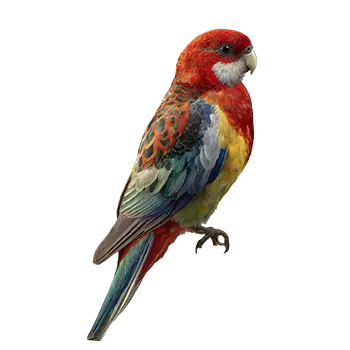

Eastern Rosella chicks typically fledge between 30 and 35 days of age, leaving the nest box for the first time in a moment that is both thrilling and precarious. Fledging is not a single event but a process that unfolds over several days as the young bird gains confidence in its wings. The first flights are often clumsy, characterized by short, uncontrolled bursts that may end with crash landings on the cage floor, against walls, or on unfamiliar surfaces. This is entirely normal and represents the beginning of a learning curve that will refine the bird's flight skills over the coming weeks.
Preparing the environment for a fledgling Eastern Rosella is essential for preventing injuries during this unsteady period. Remove or cover any hazards in the flight space, including open water containers deep enough for a small bird to drown in, mirrors or windows that the bird might fly into, ceiling fans, exposed wiring, and toxic houseplants. Lowering perches temporarily and adding padded landing areas near the cage can reduce the impact of awkward landings. If the bird is housed in an aviary, ensure there are no gaps or weak points in the mesh that a panicked fledgling could squeeze through.
The fledgling's initial flights serve a developmental purpose beyond simple locomotion. Each takeoff and landing strengthens the pectoral muscles, refines coordination between the wings and tail, and builds the spatial awareness that will eventually make the bird a skilled flier. Resist the urge to intervene during minor tumbles unless the bird is genuinely injured. Hovering too closely can increase the bird's anxiety and actually prolong the clumsy stage by preventing it from building confidence through trial and error.
Parent-raised fledglings often learn to fly more efficiently than hand-raised ones because they observe the adults' flight patterns and receive encouragement from the parents. Hand-raised fledglings may need more structured flight practice sessions in a safe, enclosed space. Short daily sessions where the bird is encouraged to fly between two familiar perches or from a perch to your hand help build skill and stamina progressively.