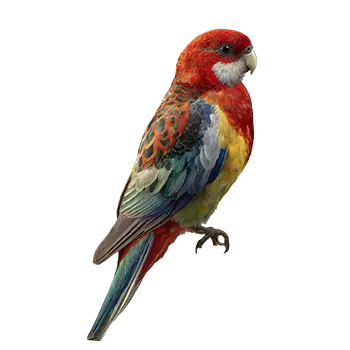

An adult Eastern Rosella's dietary needs shift from the growth-oriented demands of youth to a maintenance-focused regimen that supports sustained health, vibrant plumage, and steady energy levels. The nutritional choices made during the adult years directly influence the bird's feather quality, immune competence, reproductive fitness, and susceptibility to chronic conditions such as fatty liver disease and obesity. Getting the diet right during this stage is about consistency, balance, and variety rather than any single superfood or supplement.
A formulated pellet diet appropriate for small to medium parrots should continue to serve as the nutritional backbone, comprising approximately 50 to 60 percent of total daily intake. Pellets ensure the bird receives balanced ratios of essential vitamins, minerals, and amino acids that are difficult to achieve through seeds and fresh foods alone. If the bird was not weaned onto pellets during the juvenile stage, converting an adult rosella to a pelleted diet requires patience and gradual mixing strategies, but the long-term health benefits justify the effort.
Fresh vegetables and fruits remain critical components of the adult diet, and this is the stage to ensure the bird accepts the widest possible variety. Dark leafy greens, orange-fleshed vegetables rich in beta-carotene, cruciferous vegetables like broccoli, and herbs such as basil and cilantro should appear in daily rotations. Fruits, while nutritious, are high in natural sugars and should be offered in moderation, roughly two to three times per week rather than daily. Native Australian plants and grasses, when available, provide a particularly appropriate form of enrichment and nutrition for a species that evolved foraging on the ground in southeastern Australia.
Seed mixes should be carefully controlled for adult Eastern Rosellas, as their natural preference for seeds can lead to selective feeding and nutritional imbalance if seeds are offered ad libitum. Limit seed intake to no more than 10 to 15 percent of the daily diet, offered in foraging toys or as training rewards rather than in a perpetually full seed cup. Sunflower seeds and safflower seeds are particularly high in fat and should be used sparingly. Sprouted seeds and soaked grains offer a more nutritious alternative to dry seeds and are generally consumed with enthusiasm.