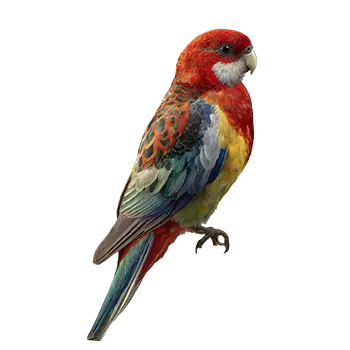

Eastern Rosella chicks hatch after an incubation period of approximately 19 to 21 days, emerging as tiny, helpless creatures weighing roughly 4 to 6 grams. Like all members of the Platycercus genus, newborn rosellas are altricial, meaning they arrive blind, virtually naked, and completely dependent on external warmth and feeding. The first day of life is a critical transition period during which the chick must absorb the remaining yolk sac, begin thermoregulating with the help of the hen or a brooder, and receive its first nourishment.
In a parent-raised clutch, the hen will remain tight on the nest during this period, providing continuous body heat and beginning to feed the chick within the first several hours. The initial feedings consist of small quantities of pre-digested seed and crop secretions that deliver essential nutrients and beneficial microflora to the chick's sterile digestive tract. If you are hand-raising the chick, the first feeding should be delayed until the yolk sac is fully absorbed, which typically occurs between six and ten hours after hatching. Attempting to feed before absorption is complete risks serious digestive complications.
The hatchling's skin should appear pinkish and translucent, with visible blood vessels indicating healthy circulation. A thin layer of sparse white or pale grey natal down may cover portions of the head and back, but much of the body will be bare. The chick's movements will be limited to slight head bobbing and feeding responses when the beak area is gently touched. These reflexive behaviors are normal and indicate neurological integrity.
Close observation during the first 24 hours is essential. A chick that fails to respond to feeding stimuli, displays bluish or grey skin discoloration, or lies motionless without reacting to warmth may be in distress and requires immediate veterinary attention. Healthy Eastern Rosella hatchlings, while fragile, should demonstrate a clear feeding reflex and gradually increasing responsiveness as the hours progress.