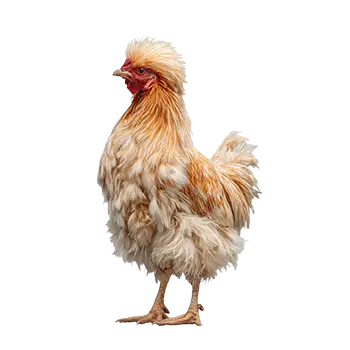

The juvenile period in Cochin Bantams spans roughly from six weeks of age through the onset of sexual maturity, which typically occurs between 20 and 28 weeks depending on the individual bird, its nutrition, and the season. This extended adolescent phase is one of the most transformative periods in the bird's life, encompassing a complete replacement of chick down with adult plumage, the establishment of social hierarchies, and the gradual transition from a dependent youngster to a self-sufficient member of the flock.
During this stage, Cochin Bantam juveniles undergo dramatic changes in appearance. The fluffy chick down that initially defined them gives way to juvenile feathering, which in turn is replaced by the breed's distinctive adult plumage. The heavy foot and leg feathering that is a hallmark of the Cochin Bantam becomes increasingly prominent, and by the end of the juvenile period, the characteristic rounded silhouette and profuse feathering should be clearly evident. Color patterns also become more defined during this time, allowing breeders and keepers to evaluate color quality against the breed standard.
Behaviorally, juvenile Cochin Bantams are curious, social, and generally easygoing compared to many other bantam breeds. They tend to be less flighty and less prone to aggressive pecking-order disputes than breeds with more assertive temperaments. However, this calm nature should not lead caregivers to neglect the socialization and environmental enrichment that juveniles need to develop into well-adjusted adults. The habits and associations formed during this period have a lasting influence on the bird's temperament and behavior throughout its life.
Understanding the specific needs of Cochin Bantam juveniles, as distinct from both younger chicks and mature adults, allows keepers to provide the targeted care that supports optimal development. The dietary requirements, housing considerations, and health monitoring protocols all shift during this transitional phase, and attentive management during these months pays dividends in the form of healthier, calmer, more productive adult birds.