
Selecting Breeding Stock

The foundation of a successful Cochin Bantam breeding program is the careful selection of breeding stock that exemplifies the breed standard and possesses the genetic health necessary to produce strong, well-conformed offspring. Cochin Bantams are bred to a specific standard of perfection defined by poultry breed organizations, and breeders who take the time to understand and evaluate this standard produce birds that maintain and advance the breed's quality.

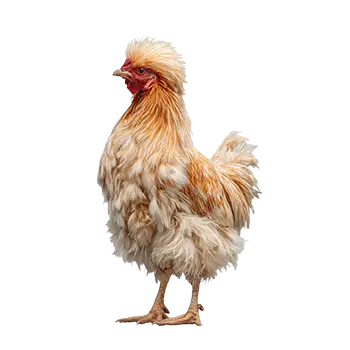
When evaluating potential breeding birds, begin with overall type and conformation. The ideal Cochin Bantam has a short, broad, deep body that creates a distinctly rounded silhouette. The breast is full and carried forward, the back is short and broad, and the bird should appear as nearly as wide as it is tall. The abundant, soft plumage should cover the body completely, extending down the legs and covering the feet and outer toes to create the characteristic feathered-foot appearance. Birds with sparse leg feathering, narrow bodies, or upright carriage are poor candidates for a breeding program aiming to produce standard-quality offspring.

Color and pattern quality should be evaluated against the specific variety being bred. Cochin Bantams are recognized in numerous color varieties including buff, black, white, partridge, blue, splash, and several others. Each variety has specific requirements for feather color, pattern, and markings. Breeding within the same variety maintains color purity, while crossing varieties produces offspring with unpredictable color outcomes that are generally unsuitable for exhibition. Study the standard for your chosen variety thoroughly and seek mentorship from experienced breeders who can help you identify subtle color and pattern faults.

Beyond physical attributes, breeding stock should demonstrate the gentle, calm temperament that is a hallmark of the breed. Temperament is heritable, and selecting for disposition over successive generations produces birds that are increasingly friendly and easy to handle. Conversely, breeding birds with nervous, flighty, or aggressive temperaments perpetuates these undesirable traits. Health history matters as well. Avoid breeding birds that have experienced chronic illness, reproductive problems, or congenital defects, as these issues may have genetic components that will be passed to offspring.

Fertility & Mating Management

Fertility management in Cochin Bantams presents unique challenges directly related to the breed's most distinctive physical feature: its profuse feathering. The dense plumage around the vent area and on the legs and feet can physically impede successful mating, resulting in lower fertility rates than many clean-legged breeds. Understanding and addressing this challenge is essential for achieving acceptable hatch rates.

The most common and effective approach to improving fertility in heavily feathered breeds is vent trimming, in which the feathers surrounding the vent and the underside of the tail are carefully clipped short on both the hen and the rooster before the breeding season begins. This practice is standard among Cochin Bantam breeders and does not harm the bird. Use sharp scissors to trim the feathers to within about an inch of the skin, being careful not to nick the skin or cut blood feathers. The trimming should be refreshed every few weeks during the breeding season, as the feathers will begin to regrow.

The ratio of roosters to hens in a breeding pen influences both fertility and flock harmony. For Cochin Bantams, a ratio of one rooster to four or five hens is generally optimal. This gives the rooster sufficient opportunity to mate with each hen without overbreeding, which can cause feather damage and stress. If you are working with multiple roosters, house each with his own group of hens in a separate breeding pen to prevent fighting and to maintain accurate records of parentage.

Fertility is influenced by the age and condition of both the rooster and the hens. Roosters are typically at peak fertility between one and three years of age, while hens produce the highest percentage of fertile eggs during their first and second laying seasons. Nutrition plays a critical role as well. Breeding birds should be in optimal body condition, neither overweight nor underweight, and should be fed a balanced breeder ration with slightly elevated protein and vitamins. Vitamin E and selenium supplementation has been associated with improved fertility in poultry and can be provided through commercial poultry vitamin mixes added to the water.

After mating, sperm can remain viable in the hen's reproductive tract for up to two weeks, meaning that a hen does not need to mate every day to produce fertile eggs. However, fertility rates are highest when mating occurs regularly, at least every three to four days. If you are introducing a new rooster to a breeding pen, allow at least one week of regular mating before collecting eggs for incubation to ensure sperm storage is established.

Natural Incubation & Broody Hen Care

The Cochin Bantam's extraordinary brooding instinct is one of the breed's most celebrated traits. Cochin Bantam hens are among the most reliably broody of all chicken breeds, and their willingness to set, their patience during the incubation period, and their attentive care of hatched chicks make them outstanding natural incubators. Many poultry keepers, even those who keep other breeds as their primary flock, maintain Cochin Bantam hens specifically for their brooding abilities.

A broody Cochin Bantam hen will display unmistakable signs when she is ready to set. She will remain on the nest for extended periods, puff up and vocalize with a distinctive growling or clucking sound when approached, and pluck feathers from her breast to line the nest and expose the bare skin of her brood patch for direct heat transfer to the eggs. Once you have identified a broody hen, provide her with a quiet, dimly lit nest location away from the bustle of the main coop. Disturbances from other hens, roosters, or foot traffic can cause a broody to abandon the nest, particularly in the early days of the set.

The clutch size for a Cochin Bantam hen should be limited to the number of eggs she can comfortably cover and turn. Because of her bantam size, this is typically six to eight of her own bantam-sized eggs, or four to five standard-sized eggs if she is being used to hatch eggs from larger breeds. Overfilling the nest leads to uneven incubation, as eggs at the perimeter may not receive adequate warmth or turning, resulting in poor hatch rates or late dead-in-shell embryos.

During the 21-day incubation period, ensure the broody has daily access to food and water. A dedicated hen may resist leaving the nest, but she should be gently encouraged to eat, drink, and defecate at least once daily. Some experienced breeders lift the hen off the nest once each afternoon and place her near food and water, giving her fifteen to twenty minutes before she returns. The hen will typically eat quickly, produce a characteristically large and pungent broody dropping, take a brief dust bath if one is available, and then hurry back to the nest. This daily break is important for the hen's health, as prolonged immobility can lead to muscle atrophy, dehydration, and excessive weight loss.

Artificial Incubation

While Cochin Bantam hens are excellent natural brooders, there are circumstances where artificial incubation is preferable or necessary. These include situations where no hen is broody when eggs are available, when maximizing hatch numbers from a limited number of breeding hens, or when precise control over incubation conditions is desired. Artificial incubation requires an understanding of the equipment involved and careful attention to temperature, humidity, and egg handling throughout the 21-day process.

Select a reliable incubator with accurate temperature control and, ideally, automatic egg turning. Forced-air incubators should be set to 99.5 degrees Fahrenheit, while still-air incubators require a slightly higher setting of 101 to 102 degrees Fahrenheit measured at the top of the eggs. Temperature accuracy is critical, as even a one-degree deviation sustained over the incubation period can significantly affect embryo development and hatch rates. Calibrate the incubator thermometer against a known accurate instrument before the season begins, and allow the incubator to run for at least 24 hours to stabilize before setting eggs.

Humidity management follows a two-phase approach. During the first 18 days of incubation, maintain relative humidity between 45 and 55 percent. During the final three days, known as lockdown, increase humidity to 65 to 75 percent to soften the membranes and facilitate pipping and hatching. Monitor humidity with a reliable hygrometer and adjust by adding or removing water from the incubator's humidity trays. Candle the eggs at days seven and fourteen to track embryo development and remove any infertile eggs or those with dead embryos, which can contaminate the remaining eggs if they begin to decompose.

Egg turning is essential during the first 18 days to prevent the embryo from adhering to the shell membrane and to ensure even nutrient distribution. Turn the eggs an odd number of times daily, at least three, so that the egg rests on alternating sides each night. If using an automatic turner, verify that it is functioning correctly at each candling session. On day 18, stop turning and move the eggs to the hatching tray for lockdown. Resist the temptation to open the incubator during lockdown, as sudden drops in humidity can cause the membranes to dry and shrink-wrap the chick, trapping it inside the shell.

Hatching typically begins on day 20 or 21, with the chick pipping a small hole through the shell and then gradually zipping around the circumference over the following 12 to 24 hours. Bantam eggs sometimes hatch slightly earlier than standard-sized eggs. Allow the chick to complete the process on its own unless it has been actively pipping for more than 24 hours without progress, which may indicate the chick is malpositioned or too weak to hatch without assistance. Assisted hatching carries significant risks and should be approached with extreme caution and preferably under the guidance of an experienced breeder or veterinarian.

Genetics & Color Breeding

Understanding the basic genetics behind Cochin Bantam color varieties enhances a breeder's ability to produce predictable, high-quality offspring and to make informed decisions about which birds to pair. While a comprehensive treatment of poultry genetics is beyond the scope of any single guide, several fundamental principles are directly applicable to Cochin Bantam breeding and are worth understanding at a practical level.

Cochin Bantams are recognized in a wide array of color varieties, each governed by specific combinations of genes that control feather pigmentation, pattern, and distribution. The most commonly bred varieties include buff, black, white, partridge, blue, and splash. Each of these follows understood inheritance patterns. Black is a dominant base color. Blue is produced by a single copy of the blue dilution gene acting on black. Splash results from two copies of the blue dilution gene. This means that breeding blue to blue produces approximately 25 percent black, 50 percent blue, and 25 percent splash offspring, a ratio that breeders must plan around when working with the blue variety.

Buff is one of the most popular and one of the most challenging Cochin Bantam varieties to breed to high quality. The buff color is produced by a combination of genes that dilute the base red-gold pigment to an even, rich golden shade across the entire body. Achieving uniform buff coloration without smuttiness, dark tipping on the feathers, or washed-out pale areas requires careful selection over multiple generations. Both the rooster and the hen contribute to the color genetics of the offspring, and breeders often maintain separate lines selected for male and female color quality, crossing them to produce the best exhibition birds.

Partridge and other patterned varieties introduce additional complexity, as the pattern genes must interact correctly with the base color genes to produce the desired markings. In partridge Cochin Bantams, the rooster displays a dramatically different plumage pattern from the hen, a phenomenon called sexual dimorphism in plumage. The rooster carries a black-breasted red pattern while the hen displays the fine, penciled pattern that gives the variety its name. Breeding for correct pattern in both sexes simultaneously requires experience and careful record-keeping.

Responsible breeders maintain detailed records of all pairings and their outcomes, tracking which crosses produce the best type, color, and temperament over successive generations. This data-driven approach transforms breeding from guesswork into a systematic improvement program. Record the parentage of every chick hatched, evaluate each bird against the standard at maturity, and use this information to refine future pairings. The most successful Cochin Bantam breeders are those who combine a thorough understanding of the breed standard with patience, meticulous record-keeping, and a willingness to cull birds that do not meet their program's goals from the breeding pen, regardless of personal attachment.

Breeding Season Health & Condition

The physical demands of the breeding season place considerable stress on both roosters and hens, and ensuring that breeding birds are in optimal health and condition before, during, and after the season supports fertility, hatch rates, and the long-term wellbeing of the flock. Preparing breeding stock for the season is as important as managing them through it.

Begin conditioning breeding birds six to eight weeks before you plan to start collecting eggs for hatching. This conditioning period includes transitioning to a breeder-quality feed with elevated levels of protein, vitamins A and E, and essential minerals. Breeder rations are specifically formulated to support reproductive health and to deposit optimal nutrient levels in the egg for embryo development. A well-nourished hen produces eggs with stronger shells, richer yolks, and higher hatch viability than a hen on a basic maintenance diet.

Roosters require their own conditioning attention. A breeding rooster should be in lean, muscular condition rather than overweight. Excess body fat in roosters has been associated with reduced sperm quality and decreased mating frequency. Provide adequate exercise space and avoid overfeeding calorie-dense treats. Inspect the rooster's feet, legs, and spurs before the season begins. Overgrown spurs can injure hens during mating and should be blunted or trimmed. The vent area and surrounding feathers should be trimmed as discussed in the fertility section to ensure unobstructed mating.

During the breeding season, monitor the hens closely for signs of overbreeding. A rooster that mates excessively with a particular hen can cause significant feather loss on her back and saddle area, skin abrasions, and stress-related drops in egg production. Saddle-shaped protective garments, sometimes called hen saddles or aprons, can protect the feathers and skin of favored hens, though they add another layer of management. If a rooster is clearly overbreeding specific hens, rotating him between groups or providing more hens in the breeding pen can distribute the mating pressure more evenly.

After the breeding season concludes, allow breeding birds a recovery period with reduced demands. Return hens to a standard layer or maintenance feed, and give roosters a rest from breeding duties. This recovery period supports the birds' return to baseline condition and allows their bodies to repair the wear of the season before the next annual molt adds its own metabolic demands.

Ethical Breeding & Responsible Practices

Breeding Cochin Bantams carries responsibilities that extend beyond the mechanics of pairing, incubation, and hatching. Responsible breeders consider the welfare implications of their decisions, plan for the placement of offspring, and contribute to the long-term health and quality of the breed through thoughtful, principled practices.

Before hatching any eggs, have a clear plan for every chick that may result. Approximately half of all chicks hatched will be cockerels, and the market for roosters is severely limited. Ethical breeders plan for this reality before the eggs are set, whether that plan involves growing cockerels for meat, finding pre-arranged homes, maintaining a bachelor flock, or other humane options. Abandoning unwanted roosters, a disturbingly common practice, causes animal suffering and is irresponsible. Every chick deserves a plan.

Genetic health should be a primary consideration in every pairing decision. Avoid breeding closely related birds over successive generations, as inbreeding depression leads to reduced fertility, weakened immune function, and increased incidence of congenital defects. Introduce unrelated bloodlines periodically to maintain genetic diversity within your flock. When acquiring new breeding stock, source from reputable breeders who can provide health histories and pedigree information. Test or quarantine new birds before integrating them into your breeding program to prevent the introduction of diseases such as Mycoplasma gallisepticum, Marek's disease, or avian influenza.

Breed improvement should be pursued with balance. Selecting for extreme type characteristics at the expense of health and functionality does a disservice to the birds and to the breed. A Cochin Bantam with spectacular foot feathering but chronic bumblefoot, or with a massively broad body but persistent fertility problems, is not a breeding success. The best breeders pursue a holistic vision that encompasses breed type, color quality, temperament, health, fertility, and functional soundness in equal measure.

Contributing to the broader Cochin Bantam community strengthens the breed as a whole. Participate in poultry shows and breed clubs, share knowledge with newer breeders, and support breed conservation efforts. Cochin Bantams, while popular, are a heritage breed that depends on dedicated breeders to maintain genetic diversity, uphold breed standards, and ensure that future generations of keepers inherit birds of the same quality and character that attracted current enthusiasts to the breed.

Always consult a qualified professional before making any health-related decisions. This content is provided for informational reference only and should not replace professional guidance specific to your animal.