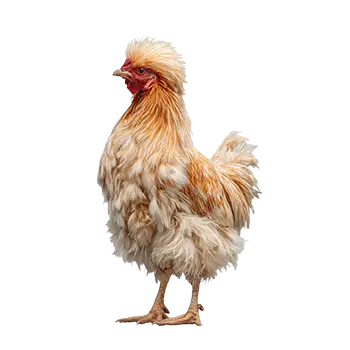

There comes a point in every Cochin Bantam's life when the accumulation of age, illness, or injury reaches a stage that cannot be reversed or meaningfully managed. Recognizing when a bird has entered terminal decline is one of the most difficult tasks a caregiver faces, but it is also one of the most important. Clear-eyed observation during this period allows the caregiver to make informed, compassionate decisions that prioritize the bird's comfort and dignity above all else.
Terminal decline in a Cochin Bantam may present as a constellation of worsening symptoms rather than a single dramatic event. The bird may stop eating or eat only token amounts, lose weight rapidly despite available food, and become increasingly reluctant or unable to move. Droppings may change dramatically in consistency, color, or volume, reflecting organ failure or advanced infection. A bird that was once responsive and engaged may become withdrawn, sitting with eyes partially closed and feathers fluffed, no longer reacting to the sounds and activities that once prompted interest.
Some conditions that lead to terminal decline in Cochin Bantams are identifiable through veterinary examination. Advanced reproductive disorders such as internal laying, egg yolk peritonitis, and ovarian or oviductal tumors are common causes of decline in aging hens. Marek's disease can cause progressive paralysis. Heart failure, liver disease, and kidney failure all produce gradual deterioration that may not respond to treatment. In cases where a diagnosis is possible, it can help the caregiver understand the trajectory of the illness and make plans accordingly.
Other times, the cause of decline is not identifiable or involves multiple interacting factors that defy simple diagnosis. An elderly Cochin Bantam may simply reach the end of its natural span, with multiple organ systems failing gradually and simultaneously. In these cases, the lack of a specific diagnosis does not diminish the caregiver's ability to provide comfort or to assess quality of life. The bird's behavior and apparent comfort level remain the most reliable guides.