
Recognizing the Senior Stage

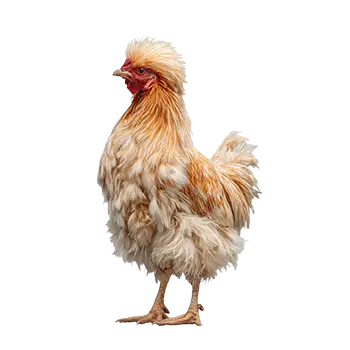
Cochin Bantams typically enter their senior years around four to five years of age, though the exact onset varies depending on genetics, lifetime care, and overall health history. The transition from prime adulthood to the senior stage is gradual rather than abrupt, and attentive keepers will notice a constellation of subtle changes that together indicate the bird is entering a new phase of life. Recognizing these changes early allows caregivers to adapt management practices before age-related issues become serious.

One of the earliest signs of aging in a Cochin Bantam hen is a decline in egg production. A hen that reliably produced three or four eggs per week in her prime may gradually taper to one or two per week, then to sporadic laying, and eventually cease production altogether. This decline is a natural consequence of the finite number of ova a hen carries and should not be treated as a problem requiring correction. Reduced laying is often accompanied by changes in egg quality, including thinner shells, irregular shapes, and occasionally soft-shelled or shell-less eggs.

Physical changes in plumage and body condition become more apparent as the bird ages. The feathers may lose some of their luster and density, and molts may take longer to complete with feather regrowth that is slower and sometimes less uniform than in younger years. The foot and leg feathering, which is such a defining feature of the breed, may thin or become more prone to breakage. The bird's overall muscle tone gradually diminishes, and the keel bone may become more prominent even in a bird that is eating well, as the body naturally shifts from muscle-dominant composition toward a leaner frame.

Behavioral shifts are equally telling. Senior Cochin Bantams tend to become less active, spending more time resting in favorite spots and less time foraging or exploring. They may be slower to rise in the morning, less enthusiastic about treats, and more easily startled or disoriented by changes in their environment. These behavioral changes are normal aspects of aging, but they can also overlap with symptoms of illness, making it important to establish a clear baseline of each bird's normal behavior so that genuine health concerns can be distinguished from the natural slowing of age.

Nutritional Adjustments for Aging Birds

The dietary needs of a senior Cochin Bantam diverge from those of a bird in its prime laying years, and adjusting the feeding program to reflect these changes supports health and comfort in the aging bird. The most significant shift involves calcium management, as hens that have reduced or ceased egg production no longer require the elevated calcium levels provided by layer feed and may actually be harmed by continued excess calcium intake.

For senior hens that are no longer laying regularly, transition from layer feed to an all-flock or maintenance formula with moderate protein content around 16 percent and lower calcium levels. Continue to offer oyster shell free-choice so that any hen still producing the occasional egg can access supplemental calcium as needed, but do not force high-calcium feed on birds whose reproductive systems have slowed. Excess dietary calcium in non-laying birds places unnecessary strain on the kidneys, which must filter and excrete the surplus.

Senior Cochin Bantams may benefit from slightly increased protein during the annual molt, which can become a more taxing event as the bird ages. The slower feather regrowth characteristic of older birds means the bird spends longer in a partially feathered state, increasing vulnerability to temperature extremes and physical discomfort. Supplementing with high-protein treats such as cooked eggs, mealworms, or black soldier fly larvae during the molt provides the amino acids needed for keratin synthesis without creating an overall caloric excess.

Hydration becomes increasingly important in older birds, as aging kidneys are less efficient at concentrating urine and the bird may be less diligent about seeking out water. Ensure multiple water sources are placed at easily accessible locations, and consider adding a shallow, ground-level water dish in addition to standard waterers. During hot weather, electrolyte supplements can help maintain hydration in senior birds that are particularly vulnerable to heat stress. Monitor droppings for signs of dehydration, including thick, dark urates and reduced urine output, and address any hydration concerns promptly.

Mobility & Comfort Accommodations

Maintaining mobility and physical comfort is one of the most impactful ways caregivers can support an aging Cochin Bantam's quality of life. The breed's compact body, heavy feathering, and limited flight capability mean that even young Cochin Bantams are not particularly agile, and the physical limitations of age amplify these inherent traits. Thoughtful environmental modifications can make a significant difference in the senior bird's daily experience.

Roosts should be lowered or replaced with ground-level platforms for senior birds. Cochin Bantams should never have been roosting at significant heights given their breed characteristics, but even a roost set at twelve inches can become difficult for an older bird with stiff joints or reduced leg strength. A broad, flat platform just a few inches off the ground, or even a thick mat of clean straw on the coop floor, provides a comfortable sleeping spot without requiring the bird to jump. Ramps with textured surfaces can bridge the gap if some elevation is necessary, such as accessing a raised nest box or moving between different levels of the coop.

Arthritis and joint stiffness are common in aging chickens and can be particularly challenging for Cochin Bantams due to the additional weight of their foot feathering and the broad, heavy body that places constant load on the legs and feet. Signs of joint pain include reluctance to move, favoring one leg, difficulty standing after resting, and spending excessive time sitting. While there are limited pharmaceutical options for poultry arthritis, maintaining a comfortable environment with soft, dry bedding, level flooring without obstacles, and easy access to food and water helps manage the condition. Some keepers find that adding a small amount of apple cider vinegar to the water or providing turmeric-based supplements offers modest anti-inflammatory support, though scientific evidence for these approaches in poultry is limited.

The foot feathering itself can become a source of discomfort in senior birds if it is not maintained. As the bird becomes less active and spends more time sitting, the foot feathers are more likely to become soiled and matted. Regular gentle cleaning and trimming of excessively long or damaged feathers helps prevent skin irritation and secondary infections. Check the foot pads for bumblefoot regularly, as reduced mobility means the bird is placing sustained pressure on the same areas of the foot pad for longer periods.

Age-Related Health Conditions

Senior Cochin Bantams face several health conditions that are either unique to aging birds or that become more prevalent and more serious with advancing age. Understanding these conditions allows keepers to monitor for early signs and seek veterinary support before problems become unmanageable.

Reproductive disorders are among the most common health concerns in aging hens. Even hens that have stopped laying externally may continue to produce ova internally, leading to conditions such as egg yolk peritonitis, in which yolk material accumulates in the abdominal cavity and triggers inflammation and infection. Signs include abdominal distension, a penguin-like stance, lethargy, and loss of appetite. Salpingitis, an infection of the oviduct, and ovarian tumors also become more prevalent with age. These reproductive conditions can be difficult to treat and may require veterinary assessment, including imaging, to diagnose accurately.

Heart disease becomes an increasing risk in older bantam chickens. The signs can be subtle, including exercise intolerance, labored breathing after minimal exertion, fluid accumulation in the abdomen known as ascites, and a bluish tinge to the comb and wattles. Because Cochin Bantams are naturally sedentary, early cardiac changes may go unnoticed until the condition is advanced. Any bird showing unexplained breathing difficulty or abdominal swelling should be evaluated by a veterinarian experienced in avian medicine.

Tumors, both benign and malignant, occur with greater frequency in older chickens. Marek's disease virus, which is endemic in most environments where poultry is kept, can cause lymphoma and other tumors in susceptible birds, though vaccinated birds have significantly reduced risk. Lipomas and other soft tissue growths may also appear as the bird ages. Any new lump, bump, or growth should be examined by a veterinarian to determine its nature and whether intervention is warranted.

Vision and hearing may decline in senior Cochin Bantams, though these changes are often difficult to detect until they become significant. A bird that seems startled by your approach, misses food items on the ground, or bumps into objects it previously navigated easily may be experiencing sensory decline. Accommodations such as keeping the coop layout consistent, placing food and water in predictable locations, and approaching the bird with voice cues before physical contact help a sensory-impaired bird navigate its world with less stress.

Flock Dynamics & Social Considerations

The social environment of a senior Cochin Bantam requires thoughtful management as the bird's position within the flock hierarchy shifts with age. An older bird that was once firmly established in the pecking order may find itself challenged by younger, more vigorous flock members, and the resulting social stress can compound the physical challenges of aging.

Senior Cochin Bantams are particularly vulnerable to bullying because their naturally passive temperament and declining physical capacity make them less able to defend themselves or compete effectively for resources. Watch for signs that an older bird is being excluded from feeding stations, driven away from preferred resting spots, or subjected to persistent pecking. Feather loss on the back of the head and neck, reluctance to leave the coop, and weight loss are all potential indicators that a senior bird is being harassed by flock mates.

If bullying becomes a persistent problem, consider creating a separate but adjacent living space for senior birds. This arrangement allows the older birds to see and hear their flock mates, maintaining social connection, while protecting them from physical aggression and competition. A small pen within or beside the main coop serves this purpose well. Some keepers maintain a dedicated retirement area where older birds live together at their own pace, free from the pressures of a mixed-age flock.

Companionship remains important for social species even in old age. A Cochin Bantam that has lived in a flock environment its entire life will be stressed by complete isolation. If you must separate a senior bird, provide at least one calm companion. Another senior bird, a naturally gentle breed mate, or even a docile bantam of a different breed can serve as suitable company. The goal is to balance protection from aggression with the continued social engagement that contributes to the bird's psychological wellbeing.

Seasonal Vulnerabilities in Senior Birds

Aging Cochin Bantams become increasingly sensitive to environmental extremes, and seasonal management takes on heightened importance as the bird's ability to thermoregulate and cope with weather-related stresses diminishes. The very feathering that once provided excellent insulation can become a liability when it thins, becomes damaged during slower molts, or traps moisture against the skin in wet conditions.

Winter care for senior Cochin Bantams may require supplemental heat that was unnecessary during the bird's prime years, particularly if the bird has a thin or incomplete feather coat following a difficult molt. A low-wattage ceramic heat emitter or radiant heat panel placed in the sleeping area can provide gentle, consistent warmth without the fire risk associated with traditional heat lamps. Monitor the bird's comfort level by observing its behavior. A bird that seeks out the heat source and settles near it is benefiting from the supplemental warmth. A bird that moves as far away as possible is telling you the heat is excessive.

Summer poses the greater risk for most senior Cochin Bantams. The breed's natural heat sensitivity is compounded by aging, and older birds are more susceptible to heat stroke and its potentially fatal consequences. During hot weather, check on senior birds more frequently than the rest of the flock. Provide shade, ventilation, cold water, and cooling opportunities such as frozen treats or shallow water dishes. If temperatures exceed 90 degrees Fahrenheit, consider bringing the most vulnerable senior birds into an air-conditioned space during the hottest hours of the day.

The transitional seasons of spring and autumn bring mud, dampness, and fluctuating temperatures that challenge senior birds in particular. Their reduced mobility means they are less able to move away from wet areas, and their thinning plumage provides less protection against chill winds. Keep the coop and immediate outdoor area as dry as possible with deep bedding, covered runs, and drainage improvements. Pay particular attention to foot feather condition during these seasons, cleaning and drying the feathered feet as needed to prevent the chronic dampness that leads to dermatitis and secondary infection.

Monitoring Quality of Life

Assessing and maintaining quality of life is the central responsibility of caring for a senior Cochin Bantam. As the bird ages, the focus of care gradually shifts from productivity and condition toward comfort, dignity, and the ongoing ability to experience the daily pleasures that make life meaningful for a social, sentient creature. This assessment is deeply personal and requires honesty, compassion, and a willingness to act in the bird's best interest.

A useful framework for evaluating quality of life considers several key domains. Is the bird eating and drinking with reasonable regularity and apparent enjoyment? Is the bird able to move without obvious pain or distress to reach food, water, and preferred resting spots? Does the bird still engage in social behaviors such as dust bathing, preening, vocalizing with flock mates, or interacting with human caregivers? Is the bird able to maintain basic hygiene, or is it consistently soiled around the vent and feet despite environmental management? These questions help caregivers assess whether the bird is experiencing a life worth living from its own perspective.

Keep a simple journal tracking the senior bird's daily condition. Note appetite, activity level, social engagement, droppings quality, and any symptoms or concerns. Over weeks and months, this record reveals trends that are difficult to perceive day to day. A gradual decline in appetite or a steady reduction in time spent active may not be obvious in a single observation but becomes clear when reviewed over time. This documented history is also invaluable if veterinary consultation becomes necessary.

Recognize that some age-related changes cannot be reversed and that the goal of senior care is management and comfort rather than cure. A bird with mild arthritis can live comfortably for months or years with environmental modifications and supportive care. A bird with advanced reproductive disease may require more difficult decisions about the balance between treatment and comfort. These are deeply individual assessments, and there is no universal formula for determining when a senior bird's quality of life has declined beyond what management can support. The willingness to face these questions with honesty and compassion is the final and perhaps the most important gift a caregiver can offer an aging companion.

Always consult a qualified professional before making any health-related decisions. This content is provided for informational reference only and should not replace professional guidance specific to your animal.