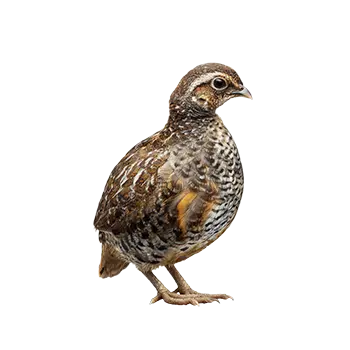

Transition from Chick to Juvenile

The juvenile period in Button Quail begins at approximately five to six weeks of age, when the chick has completed its initial feathering and no longer requires supplemental heat under normal room conditions. This transition happens remarkably fast compared to most companion bird species, reflecting the compressed life cycle that characterizes these small gallinaceous birds. By this stage, the young quail is fully mobile, self-feeding, and capable of sustained flight, though its plumage remains duller and more uniform than the vivid patterns of a mature adult.

Recognizing the onset of the juvenile stage depends on observing several converging indicators rather than relying on age alone, since individual variation and rearing conditions affect development speed. The chick's natal down should be entirely replaced by juvenile feathers, the bird should be maintaining its body temperature without seeking the heat source, and its feeding behavior should be independent and efficient. A juvenile Button Quail typically weighs between twenty and thirty grams, roughly half its eventual adult weight, and continues to grow steadily through this period.

The juvenile stage is a critical window for establishing long-term housing, social groupings, and husbandry routines. Decisions made during this period directly influence the bird's temperament, stress levels, and overall health as an adult. Birds that are abruptly moved, repeatedly regrouped, or housed in inadequate conditions during the juvenile period are more likely to develop chronic stress behaviors such as excessive flushing, feather damage from ceiling strikes, and reluctance to feed in the open.

For keepers managing multiple chicks from the same clutch, the juvenile period is also when individual personalities become more distinct. Some birds are bold and curious, approaching the keeper during routine maintenance, while others are more cautious and prefer to observe from cover. These temperament differences are partly innate and partly shaped by early experiences, and recognizing them helps caregivers tailor their approach to each bird's needs.

Juvenile Diet & Nutritional Adjustments

As Button Quail transition into the juvenile stage, their dietary needs shift from the very high protein demands of rapid chick growth toward a more balanced maintenance profile. The starter crumble that sustained them through their first weeks should be gradually transitioned to a grower or maintenance gamebird feed with a protein content of approximately twenty to twenty-two percent. This transition should occur over several days by mixing increasing proportions of the new feed with the familiar starter, allowing the digestive system to adjust and preventing the food refusal that can occur when birds encounter an unfamiliar feed abruptly.

Seeds begin to play a larger role in the juvenile diet, complementing the formulated feed. A high-quality finch seed mix or a small-seed blend designed for quail provides variety and encourages natural foraging behavior. Millet, both white and red varieties, is eagerly consumed, as are small quantities of canary seed, niger seed, and hulled sunflower hearts broken into small pieces. Seeds should supplement rather than replace the formulated feed, as an all-seed diet lacks the balanced amino acid profile, calcium, and vitamins that growing quail require.

Live food remains an important dietary component during the juvenile period and can be offered more generously as the bird's gape size increases. Small mealworms, waxworms, and appropriately sized crickets provide animal protein and stimulate the predatory foraging instincts that Button Quail display in the wild. Offering live insects in a shallow dish or scattered on the enclosure floor encourages active hunting behavior and provides physical and mental enrichment that a purely static diet cannot match.

Calcium supplementation becomes increasingly important as juvenile Button Quail approach sexual maturity, particularly for females who will soon begin producing eggs. A dish of finely crushed oyster shell or cuttlebone crumbles should be available at all times, and the formulated feed should contain adequate calcium and phosphorus in the correct ratio. Vitamin D3, which is essential for calcium absorption, can be provided through a quality avian vitamin supplement added to the drinking water two to three times per week or through brief exposure to unfiltered natural sunlight or a full-spectrum avian lamp.

Housing & Environment Upgrades

Juvenile Button Quail require a significant housing upgrade from the brooder that served them during their first weeks. The enclosure must balance several competing demands: providing enough space for exercise and natural behavior, offering adequate cover and hiding spots to reduce stress, preventing escape and injury from startled flushes, and allowing the keeper easy access for feeding, cleaning, and health monitoring. Getting this balance right during the juvenile period establishes the housing standard for the bird's entire life.

Floor space is more important than height for these ground-dwelling birds. A minimum of one square foot per bird is a reasonable starting guideline for juveniles, though more space is always better. Long, shallow enclosures are preferable to tall, narrow ones, as Button Quail spend virtually all their time on the ground and use vertical space only during panic flushes. The ceiling of the enclosure is a critical safety consideration. When startled, Button Quail launch straight upward with explosive force, and impact against a hard ceiling is one of the most common causes of injury and death in captive quail. The ceiling should be no more than twelve to fourteen inches above the floor and ideally constructed from or lined with soft material such as foam, cloth, or fine mesh with a fabric buffer.

Substrate choice affects both the birds' physical health and their behavioral well-being. Aspen shavings, coconut coir, or a mixture of clean sand and soil provide comfortable footing and allow the quail to engage in dust bathing, a critical maintenance behavior for feather health. Avoid cedar shavings, which release aromatic oils toxic to small birds, and newspaper or bare floors, which do not support natural behavior and can contribute to foot problems. The substrate should be several inches deep in at least part of the enclosure to allow the birds to dig and forage.

Hiding spots are not optional luxuries for Button Quail but essential components of their enclosure. Dense artificial plants, cork bark tubes, half-log shelters, and clusters of dried grass or hay all provide the visual barriers and retreat spaces that allow these naturally cautious birds to feel secure. A juvenile Button Quail housed in an open enclosure with no cover will be chronically stressed, spending most of its time pressed against walls, flushing at every disturbance, and potentially injuring itself against the ceiling. Providing multiple hiding options distributed throughout the enclosure allows the birds to choose their comfort level and gradually become more confident in the open areas.

Feather Development & the First Molt

The juvenile plumage of a Button Quail is a transitional coat that serves the bird for only a few weeks before the first pre-basic molt begins replacing it with adult feathers. This molt is one of the most visually dramatic periods in a Button Quail's life, as the drab, cryptic juvenile feathers give way to the species' characteristic adult coloration. For keepers of color mutations, this is also the period when the bird's permanent color variety becomes apparent for the first time.

The first molt typically begins around eight to ten weeks of age and progresses over a period of three to five weeks. Feather replacement generally follows a predictable pattern, starting with the body contour feathers on the breast and flanks, progressing to the back and wings, and finishing with the head and facial markings. During this transition, the bird may appear patchy and unkempt as old juvenile feathers are shed and new adult feathers push through in their sheaths. This is entirely normal and not a sign of illness or feather-destructive behavior.

Nutritional demands increase during the molt because feather production is protein-intensive. Each new feather is composed primarily of keratin, and the bird's body must synthesize this protein while simultaneously maintaining normal metabolic functions. Increasing the protein content of the diet slightly during the active molt, either by offering more live insects or by temporarily returning to a higher-protein feed, supports healthy feather growth. Sulfur-containing amino acids, particularly methionine and cystine, are especially important for keratin synthesis and are often limiting in plant-based diets.

Sexual dimorphism becomes visible during the first adult molt in most Button Quail color varieties. Males typically develop more vivid facial markings, including the distinctive black-and-white throat pattern in wild-type birds, along with brighter breast and flank coloration. Females retain more subdued, cryptic plumage that provides camouflage during nesting. Identifying sex during this period is important for planning housing arrangements, as same-sex groups of males can become aggressive once hormonal maturity arrives, and mixed-sex groups will begin breeding activity.

Social Development & Group Dynamics

The juvenile period is when Button Quail social hierarchies begin to form and the birds' lifelong social patterns are established. In the wild, Button Quail typically live in pairs or small family groups rather than large flocks, and this social structure should inform how captive juveniles are housed and managed. Understanding the species' social tendencies during this formative period prevents many of the aggression and stress problems that plague poorly managed groups.

Siblings raised together from hatching generally coexist peacefully through the juvenile period, but tensions can emerge as the birds approach sexual maturity at around eight to twelve weeks of age. Males may begin displaying territorial behavior, including vocalizing more frequently, chasing other males, and adopting assertive postures with raised chest feathers and fanned tails. These behaviors are hormonally driven and intensify as the birds mature. Monitoring group dynamics closely during this period allows the keeper to separate individuals before escalating aggression causes injury.

Female juveniles are generally less overtly aggressive than males, but they are not without social complexity. Dominant females may monopolize preferred hiding spots or feeding areas, subtly displacing subordinate birds. A subordinate female that is consistently denied access to resources may show signs of chronic stress, including reluctance to feed in the open, weight loss, and excessive hiding. Providing multiple feeding stations and water points distributed throughout the enclosure ensures that all birds have access to essential resources regardless of their position in the social hierarchy.

Introducing juvenile Button Quail to new companions requires caution and a structured approach. Never add a single bird to an established group, as it will invariably be targeted by resident birds. Instead, introductions should involve pairs or small groups placed simultaneously into a neutral enclosure that neither party has previously occupied. Providing abundant cover and multiple hiding spots reduces confrontation during the initial adjustment period. Monitor new groupings intensely for the first several days, watching for persistent chasing, pecking at the head or back, or a bird being trapped in a corner by aggressors.

Common Health Concerns in Juveniles

Juvenile Button Quail are generally hardy birds when provided with proper housing, nutrition, and hygiene, but several health conditions occur with enough frequency during this life stage to warrant the keeper's awareness. The transition from the controlled brooder environment to a larger enclosure exposes the young birds to new challenges, and their developing immune systems are still building the resilience that will serve them as adults.

Ceiling-strike injuries are perhaps the single most common health problem in captive Button Quail of all ages, but juveniles are particularly at risk because they have not yet learned the boundaries of their enclosure. A startled juvenile launches upward with full force, and impact against a hard ceiling can cause scalp lacerations, skull fractures, concussions, and neck injuries. Scalp wounds bleed profusely and can be fatal if not treated promptly. Affected birds should be isolated in a quiet, dim enclosure, and significant wounds require veterinary attention for cleaning, possible suturing, and antibiotic treatment to prevent infection.

Coccidiosis remains a risk during the juvenile period, particularly for birds housed on substrate that may harbor oocysts from previous occupants or from exposure to outdoor soil. Clinical signs include bloody or abnormally watery droppings, lethargy, ruffled feathers, and rapid weight loss. Treatment with anticoccidial medications prescribed by a veterinarian is usually effective when caught early, but prevention through clean housing, avoiding overcrowding, and not reusing substrate from other poultry is preferable.

Scaly face and leg mite infestations, caused by Knemidocoptes species, occasionally affect juvenile Button Quail. The mites burrow into the skin around the beak, cere, and legs, creating characteristic crusty, proliferative lesions. Early cases may present as subtle roughening or whitish deposits on the beak or leg scales. Treatment with ivermectin, prescribed and dosed by a veterinarian experienced with birds this small, is highly effective, but accurate dosing is critical because the margin between therapeutic and toxic doses is narrow in a bird weighing less than two ounces.

Feather abnormalities during the first molt can indicate underlying nutritional deficiencies or systemic health problems. Stress bars, which appear as horizontal lines of weakness across feather vanes, result from interruptions in feather growth caused by illness, temperature stress, or nutritional inadequacy. Feathers that grow in with abnormal color, texture, or structure may indicate a more serious condition and should be evaluated by an avian veterinarian. Healthy juvenile Button Quail feathers are smooth, symmetrical, and firmly rooted in the follicle.

Preparing for Adulthood

The final weeks of the juvenile period represent a transition point where the keeper's decisions about housing, pairing, and management set the course for the bird's adult life. Button Quail reach sexual maturity remarkably early, sometimes as young as eight weeks in favorable conditions, which means the juvenile and early adult stages overlap in ways that require proactive planning. Waiting until breeding behavior or egg production begins before making management decisions often means reacting to problems rather than preventing them.

Sexing juvenile Button Quail accurately is essential for proper group management. In wild-type and most color varieties, males can be identified by their developing facial patterns, more vivid coloration, and vocalizations. The male's call is a distinctive, high-pitched, descending whistle that differs markedly from the female's softer, more conversational contact calls. In color mutations where visual sexing is difficult, vent sexing by an experienced handler can determine sex, though this requires skill and practice to perform without stressing or injuring the bird.

Housing decisions should be finalized before the onset of sexual maturity. Button Quail do best in established pairs, with one male and one female housed together in a dedicated enclosure. Multiple males housed together will fight once hormones activate, sometimes fatally. Multiple females with a single male can work in larger enclosures with abundant cover, but competition between hens can lead to stress, disrupted egg production, and aggression. Each pair or group needs its own enclosure with the full complement of substrate, cover, feeding stations, and environmental enrichment.

The juvenile period is also the ideal time to establish the handling and husbandry routines that will continue throughout the bird's life. A juvenile that learns to tolerate brief, gentle handling for health checks, nail trims, and enclosure transfers becomes a far more manageable adult than one that has never been touched. Consistent, calm interactions build a baseline of trust that reduces stress during the inevitable veterinary visits, enclosure changes, and other disruptions that arise over the bird's lifespan.

Always consult a qualified professional before making any health-related decisions. This content is provided for informational reference only and should not replace professional guidance specific to your animal.