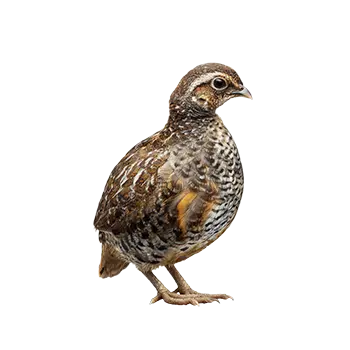

Button Quail have a comparatively short lifespan among pet birds, with most individuals living three to five years in captivity and exceptional birds occasionally reaching six or seven years. The senior stage typically begins around two and a half to three years of age, though the exact onset varies with genetics, husbandry quality, and individual constitution. Recognizing the transition from a prime adult to a senior bird allows keepers to make proactive adjustments to care rather than reacting to decline after it has already progressed.
The earliest signs of aging in Button Quail are often subtle and easy to overlook if the keeper is not specifically watching for them. A gradual reduction in overall activity is one of the first indicators. The bird may spend more time resting in its preferred shelter, forage less vigorously, and show less interest in novel items or environmental changes. These behavioral shifts can be mistaken for contentment or simply a calm temperament, but when they represent a change from the bird's established baseline, they signal the metabolic and physiological slowing that accompanies aging.
Physical changes become more apparent as the senior stage progresses. Feather quality may decline, with molts producing feathers that are less vibrant, slightly rougher in texture, or slower to grow in completely. The beak and nails may grow faster relative to the rate at which the bird wears them down through normal activity, requiring more frequent monitoring and potentially periodic trimming. Some senior birds develop a slight thinning of the legs, where the scales appear less robust and the legs themselves look narrower than in their prime.
Reproductive changes are among the more reliable markers of advancing age. Hens that previously laid eggs regularly will gradually reduce their production and eventually stop laying entirely. This cessation of egg production is a natural and healthy development that reduces the metabolic drain and calcium demands that chronic laying imposes on the hen's body. Males may vocalize less frequently and with less intensity than they did as younger adults, reflecting declining testosterone levels.