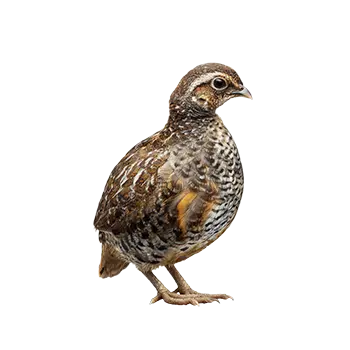

Breeding Readiness & Pair Selection

Successful Button Quail breeding begins long before the first egg is laid, with careful assessment of whether breeding is appropriate and thoughtful selection of compatible pairs. Button Quail reach sexual maturity remarkably early, sometimes as young as eight to twelve weeks of age, but physical maturity and breeding readiness are not the same thing. Responsible breeders ensure that both birds are in peak health, at full adult body weight, and housed in conditions that support the significant physiological demands of reproduction before allowing breeding to proceed.

The decision to breed should be guided by a clear purpose and a realistic plan for the resulting chicks. Button Quail clutches typically range from four to twelve eggs, and with incubation periods of only sixteen to eighteen days, a productive pair can generate a substantial number of offspring over a breeding season. Before pairing birds, the breeder should have a plan for housing, socializing, and ultimately placing every chick that might result. The market for Button Quail is limited and varies by region, and overproduction without placement plans leads to birds living in inadequate conditions or being surrendered.

Pair compatibility is assessed through a combination of health status, genetic background, and behavioral compatibility. Both birds should be free of any heritable defects, in good body condition with healthy plumage, and showing no signs of chronic illness. Genetically, understanding the color mutations present in each bird allows the breeder to predict offspring colors and avoid pairings that may produce undesirable combinations or concentrate deleterious recessive traits. Behaviorally, a compatible pair will settle into a calm coexistence relatively quickly, with the male displaying courtship behaviors such as tidbitting, where he picks up food and offers it to the hen, and the hen responding with receptive postures rather than fleeing or aggressive pecking.

Introducing a potential breeding pair should be done with the same caution applied to any Button Quail introduction. Place both birds simultaneously into a neutral enclosure that neither has previously occupied. Provide abundant cover and multiple hiding spots so that either bird can retreat if the initial interaction is stressful. Monitor the pair closely for the first several days, watching for signs of aggression beyond normal establishment behavior. Persistent chasing, feather pulling, or one bird being prevented from accessing food and water indicate an incompatible pairing that should be dissolved before injuries occur.

Nesting Setup & Requirements

Button Quail are ground-nesting birds that require a specific set of conditions to feel secure enough to lay and incubate eggs. In the wild, they construct simple scrapes on the ground, lined with available plant material, usually hidden under dense vegetation. Replicating the essential features of this nesting strategy in captivity is straightforward but requires attention to the hen's instinctive preferences.

The nesting area should be a sheltered, semi-enclosed space within the breeding enclosure. A half coconut shell with an enlarged entrance, a small wooden box with one open side, or a depression created under dense artificial plants all serve as effective nest sites. The key qualities are privacy, overhead cover, and a sense of security. Many hens will reject nest sites that feel exposed or that are located in high-traffic areas of the enclosure. Offering two or three potential nest locations and allowing the hen to select her preferred site increases the likelihood of successful nesting.

Nesting material should be provided in abundance and allowed to be arranged by the hen according to her preference. Dried grasses, hay, shredded paper, soft feathers, and small dried leaves all make appropriate nesting substrate. Place a generous supply of materials both in and around the potential nest sites. The hen will shape and arrange these materials over several days before she begins laying, creating a shallow cup that cradles the eggs and provides insulation during incubation breaks.

Enclosure conditions during the breeding period should support the physiological demands of egg production and incubation. The photoperiod should be maintained at twelve to fourteen hours of light to provide adequate hormonal stimulation. Temperature should be comfortable and stable, ideally in the range of 70 to 78 degrees Fahrenheit, as extreme heat or cold can disrupt laying patterns and reduce fertility. Disturbance should be minimized once the hen begins laying, as repeated flushing from the nest during the laying and early incubation period can cause the hen to abandon the clutch entirely.

The breeding enclosure itself should be spacious enough to allow the male to move about freely without constantly disturbing the nesting hen. A minimum of six to eight square feet of floor space is recommended for a breeding pair, with the nest site positioned in a quiet corner away from the primary feeding area. The male's continued presence is generally beneficial, as he provides companionship and security, but some hens prefer more solitude during incubation. Observing the pair's interactions during nesting helps determine whether the male should remain in the enclosure or be temporarily separated.

The Egg-Laying Process

Button Quail hens typically begin laying within two to three weeks of being paired with a compatible male in a suitable environment, though the timeline varies with individual readiness, environmental conditions, and season. Understanding the normal laying process allows breeders to support the hen effectively, recognize problems early, and manage the clutch for the best possible hatch rate.

A Button Quail hen usually lays one egg per day, depositing it in the nest during the morning or early afternoon hours. The eggs are remarkably small, roughly the size of a large grape, and exhibit considerable variation in coloration depending on the hen's genetics. Wild-type hens produce speckled brown eggs that provide excellent camouflage, while some domesticated color varieties produce lighter, less patterned eggs. Egg size should be consistent throughout the clutch, and any abrupt decrease in egg size may indicate calcium depletion or nutritional stress.

Clutch sizes in captive Button Quail range from four to twelve eggs, with six to eight being typical. The hen does not begin serious incubation until the clutch is nearly complete, which ensures that all embryos develop synchronously and the chicks hatch within a narrow time window. During the laying period, the hen visits the nest to deposit each egg and may spend brief periods sitting on the accumulating clutch, but sustained incubation has not yet begun. Eggs laid during this pre-incubation period can tolerate room temperature without harm for up to seven to ten days.

Calcium demand during egg production is enormous relative to the hen's body size. Each egg shell requires a significant calcium investment, and a hen laying a clutch of eight eggs over eight consecutive days is depleting her calcium reserves rapidly. Inadequate calcium availability during this period leads to thin-shelled or shell-less eggs, reduced clutch fertility, and the potentially fatal condition of egg binding. Crushed oyster shell, cuttlebone, and calcium-fortified foods must be freely available throughout the laying period, and supplemental vitamin D3 ensures efficient calcium absorption.

Breeders who wish to maximize hatch rates may choose to collect eggs daily and store them in a cool, stable environment between 55 and 65 degrees Fahrenheit until the clutch is complete, then place all eggs under the hen or into an incubator simultaneously. This technique ensures truly synchronous development but requires careful egg handling, including storing eggs pointed-end down, turning them once daily, and never washing them, as the bloom coating that protects against bacterial infiltration is removed by washing.

Incubation & Hatching

Button Quail eggs require an incubation period of sixteen to eighteen days, with seventeen days being the most common duration under optimal conditions. Incubation may be accomplished naturally by the hen, artificially in a mechanical incubator, or through a combination approach where the hen starts and the incubator finishes or vice versa. Each method has advantages and challenges, and the choice depends on the breeder's goals, equipment, and experience.

Natural incubation by the hen is the simplest approach and produces the best socialized chicks, as they imprint on their mother and learn essential survival behaviors from her. A dedicated hen will sit tightly on the clutch, leaving only briefly for food, water, and droppings. During incubation, the hen turns the eggs regularly and maintains them at the correct temperature through body heat. The breeder's role during natural incubation is limited to ensuring the hen has easy access to food and water near the nest, minimizing disturbances, and candling eggs around day ten to remove any that are infertile or have died in development.

Artificial incubation gives the breeder precise control over temperature, humidity, and turning schedules but requires reliable equipment and attentive management. Button Quail eggs should be incubated at 99.5 to 100 degrees Fahrenheit in a forced-air incubator or 101 to 102 degrees in a still-air unit. Humidity should be maintained at approximately 45 to 50 percent for the first fourteen days, then increased to 60 to 65 percent during the final three days when the chicks are positioning themselves for hatch. Eggs must be turned an odd number of times per day, at minimum three times, to prevent the developing embryo from adhering to the shell membrane. Automatic turners designed for small eggs simplify this process considerably.

Candling Button Quail eggs is challenging due to the small size and often dark shell coloration, but a bright, focused light source such as a high-intensity LED candler makes it feasible. By day seven to ten, fertile eggs will show visible blood vessel development spreading outward from the embryo, while infertile eggs remain clear or show a faint, uniform yolk shadow. Eggs that show a dark ring without vessel development have experienced early embryonic death and should be removed to prevent bacterial contamination of the remaining clutch.

The hatching process begins when the chick internally pips, breaking through the air cell membrane at the blunt end of the egg to begin breathing air. External pipping follows within twelve to twenty-four hours, and the chick then works its way around the circumference of the egg in a process called unzipping. The entire hatch from external pip to full emergence typically takes twelve to thirty-six hours. During this period, the incubator or nest should not be opened unnecessarily, as humidity loss during hatching can cause the membrane to dry and shrink-wrap around the chick, trapping it in the shell.

Post-Hatch Management

The period immediately following hatching requires specific management decisions that depend on whether the chicks are being raised by the hen or by the breeder. In either scenario, the primary concerns are ensuring the chicks have access to appropriate food and water, maintaining safe temperatures, and preventing the early mortality that claims the highest percentage of Button Quail chicks during their first week of life.

Hen-raised chicks benefit from the mother's guidance in locating food and water, staying warm, and developing normal social behaviors. The hen actively leads her chicks to food sources, demonstrating feeding techniques through tidbitting, where she picks up and drops food items to attract the chicks' attention. She also broods the chicks under her body for warmth during rest periods. The breeder's role with hen-raised chicks is to ensure the enclosure is chick-safe, with no gaps that allow escape, shallow water sources that prevent drowning, and finely ground food appropriate for the chicks' tiny size scattered in accessible locations.

The male's role during the post-hatch period varies by individual. Some male Button Quail are attentive fathers that participate in chick rearing, calling the chicks to food and even brooding them alongside the hen. Others are indifferent, and a minority become aggressive toward the chicks, viewing them as intruders in their territory. Monitor the male's behavior closely during the first day after hatching and remove him immediately if he shows any aggression toward the chicks. If he is calm and non-threatening, his continued presence generally does no harm and may contribute to the chicks' socialization.

Incubator-hatched chicks must be transferred to a prepared brooder once they have fully dried and are moving about confidently, typically one to two hours after emergence. The brooder should be pre-warmed to 95 to 99 degrees Fahrenheit with shallow water and finely ground starter food already in place. Because these chicks have not imprinted on a hen, they lack the parental guidance that teaches feeding and drinking behavior. Most chicks figure out food and water through exploratory pecking within the first several hours, but gently tapping a finger near the food or dipping a chick's beak tip briefly in water can help initiate these critical behaviors.

Record keeping during the post-hatch period supports both current management and future breeding decisions. Document the hatch date, number of eggs that hatched versus total clutch size, any chicks that failed to hatch and the likely cause, and the initial condition and weight of each chick. This information, tracked across multiple clutches, reveals patterns in fertility, hatch rate, and chick viability that inform pair selection, incubation protocol adjustments, and overall flock management.

Breeding Cycle Management

Managing the breeding cycle is one of the most important and most frequently neglected aspects of responsible Button Quail breeding. Left to their own devices in a captive environment with ample food and consistent photoperiod, Button Quail will breed continuously, producing clutch after clutch with minimal recovery time between cycles. This relentless reproduction imposes severe physiological strain on the hen and quickly produces more chicks than most breeders can responsibly place.

Limiting the number of clutches per year is essential for the hen's long-term health. A maximum of two to three clutches per year, with rest periods of at least six to eight weeks between breeding cycles, allows the hen to replenish her calcium reserves, rebuild body condition, and recover from the metabolic demands of egg production and incubation. Enforcing rest periods requires active management, either by separating the pair temporarily or by manipulating the photoperiod to reduce hormonal stimulation.

Reducing the photoperiod to eight to ten hours of light per day is the least disruptive method of suppressing breeding activity. The shortened day length signals to the birds' hormonal systems that conditions are not favorable for reproduction, reducing egg production and mating behavior. This approach allows the pair to remain together while their reproductive systems rest. Once the desired rest period has elapsed, gradually increasing the photoperiod back to twelve to fourteen hours over one to two weeks reactivates the breeding cycle.

Egg management is another tool for controlling reproduction. If the hen lays eggs that the breeder does not intend to hatch, the eggs should be left in the nest until the hen loses interest and abandons them naturally. Removing eggs as they are laid stimulates the hen to produce replacement eggs, extending the laying period and increasing the total number of eggs she must produce. Allowing the hen to complete her clutch and sit on the eggs until she voluntarily abandons them mimics the natural cycle and leads to a faster transition into the non-breeding rest period.

Genetic management is a long-term responsibility for breeders maintaining multiple pairs or breeding over several generations. Inbreeding depression, the decline in health and viability that results from mating closely related individuals, manifests as reduced hatch rates, increased chick mortality, smaller body size, and compromised immune function. Maintaining detailed breeding records that track parentage allows breeders to avoid pairing close relatives. Periodically introducing unrelated stock from other breeders refreshes the gene pool and maintains the genetic diversity that supports robust health across generations.

Breeding Health & Recovery

The physical toll of breeding on both the hen and the male should not be underestimated, and managing the health of breeding birds requires heightened attention compared to non-breeding adults. Reproduction diverts energy and nutrients from maintenance functions toward egg production, incubation, and chick rearing, and birds that are not adequately supported during this period may emerge from the breeding cycle in significantly diminished condition.

The hen bears the greatest physiological burden of breeding. Each egg she produces draws heavily on her calcium and protein reserves, and the metabolic energy required for shell formation, yolk synthesis, and albumen production is substantial for a bird weighing less than two ounces. A hen that enters the breeding season in poor body condition or with depleted calcium stores is at high risk for egg binding, metabolic bone disease, and prolapse. Pre-breeding conditioning, which includes several weeks of enhanced nutrition with increased calcium, protein, and vitamins before pairing, builds the reserves the hen will draw upon during the laying cycle.

Egg binding is the most acute and dangerous breeding-related health emergency. A hen that is straining to pass an egg, sitting in a hunched posture with labored breathing, or showing a visibly distended abdomen may have a retained egg. Mild cases may respond to supportive care including warmth, humidity, oral calcium supplementation, and a quiet, dark environment that reduces stress. Severe cases, particularly those where the hen has been straining for more than a few hours without progress, require emergency veterinary intervention. A veterinarian may administer injectable calcium, oxytocin to stimulate contractions, or in extreme cases, manually extract or aspirate the egg. Prevention through adequate calcium availability and appropriate rest between clutches is far preferable to emergency treatment.

Cloacal prolapse, where tissue from the reproductive tract or cloaca protrudes from the vent, is another serious breeding complication. Prolapse most commonly occurs in hens that have been laying excessively without adequate rest, in young hens breeding before they are fully mature, or in birds with calcium deficiency that impairs muscle tone. A fresh prolapse should be gently cleaned with saline, lubricated with a water-based lubricant, and carefully replaced. Veterinary evaluation is needed to determine the underlying cause and prevent recurrence. Hens that have experienced prolapse should be rested from breeding for an extended period and may need to be permanently retired from production.

Post-breeding recovery should be treated as a deliberate management phase rather than a passive waiting period. After the chicks are weaned or the last clutch is completed, both birds benefit from a nutritional recovery program that emphasizes balanced vitamins, minerals, and moderate protein. The hen's body condition should be assessed through gentle keel palpation, and any weight loss incurred during the breeding cycle should be addressed through dietary enrichment. A full feather molt often follows the breeding season, placing additional demands on the bird's resources, and nutritional support during this period helps ensure the new plumage grows in healthy and complete.

Always consult a qualified professional before making any health-related decisions. This content is provided for informational reference only and should not replace professional guidance specific to your animal.