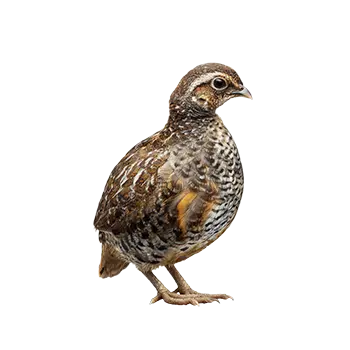

Adult Button Quail thrive on consistency, and establishing a reliable daily care routine is the foundation of good husbandry for these small ground-dwelling birds. While they are not demanding pets in the way that parrots or large softbills can be, they do require attentive daily management to remain healthy, comfortable, and behaviorally well-adjusted. A structured routine also allows the keeper to detect subtle changes in health or behavior early, when intervention is most effective.
The morning routine should begin with a visual check of each bird before disturbing the enclosure. Observe posture, activity level, and alertness. A healthy adult Button Quail will be active at first light, already foraging or moving about the enclosure. A bird that remains hunched in a corner while its companions are active warrants closer attention. After this initial observation, refresh the water supply completely. Button Quail tend to soil their water quickly by kicking substrate into it, so shallow, weighted dishes that resist tipping should be cleaned and refilled with fresh water daily.
Food management involves replenishing the base formulated feed, refreshing any fresh food offerings, and monitoring consumption levels. Adult Button Quail eat small quantities relative to their body size, roughly five to eight grams of food per day, but they feed frequently throughout their active hours. Keeping food available at all times in clean, accessible dishes ensures consistent nutrition. Remove any uneaten fresh foods from the previous day to prevent spoilage and bacterial growth, particularly during warm weather.
Substrate maintenance is a daily task that directly affects respiratory health and overall hygiene. Spot-clean soiled areas each day, removing any visibly wet or heavily fouled patches of bedding. A full substrate change should occur weekly or more frequently if the enclosure houses multiple birds. During cleaning, take the opportunity to inspect the enclosure structure for any damage, gaps that could allow escape, or worn padding on the ceiling. These routine inspections prevent the kinds of small problems that escalate into emergencies when left unaddressed.