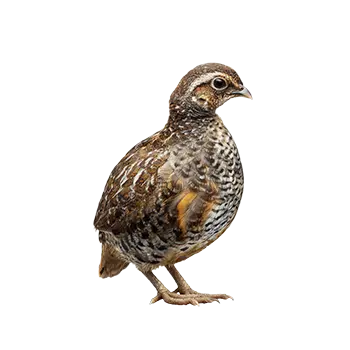

The First 24 Hours

Button Quail chicks are among the most remarkably self-sufficient newborns in the avian world. As precocial birds, they hatch fully covered in dense, patterned down, with their eyes open and legs ready to carry them within hours of emerging from the shell. A newly hatched Button Quail chick weighs a mere five to seven grams and stands barely an inch tall, making it one of the tiniest hatchlings kept in aviculture. Despite this diminutive size, the chick is alert, mobile, and instinctively driven to explore its surroundings almost immediately after drying off.

The hatching process itself can take anywhere from several hours to nearly a full day once the chick begins pipping. During this time, the chick absorbs the remaining yolk sac, which provides essential nutrients and energy for the first twelve to twenty-four hours of life. It is critical that caregivers resist the urge to assist a hatching chick unless it has made no progress for more than eighteen hours after the initial pip. Premature intervention can rupture blood vessels in the membrane, causing hemorrhage that is often fatal in a bird this small.

Once the chick has fully emerged and its down has dried, which typically takes one to two hours in a properly humidified environment, it will begin moving about with surprising agility. Button Quail chicks can run, hop, and even attempt short fluttering jumps within their first hours of life. This mobility is an evolutionary adaptation from their ground-nesting wild ancestors, where the ability to follow the hen away from the nest site quickly was essential for survival against predators.

During the first twenty-four hours, the absorbed yolk sac sustains the chick, but fresh water must be available from the start. Because the chicks are so extraordinarily small, drowning is a serious and common risk. Water containers must be extremely shallow, and placing clean marbles or small pebbles in the dish prevents chicks from submerging themselves. Alternatively, a shallow jar lid with a thin layer of water provides adequate hydration access without the drowning hazard.

Feeding & Nutrition

Feeding Button Quail chicks requires attention to both the composition and the physical form of the food offered. Unlike altricial species that are fed by their parents or by hand, Button Quail chicks are self-feeding from day one. They will begin pecking at small food items within hours of hatching, guided by instinct and, when parent-raised, by the hen's example. The challenge for caregivers is ensuring that food particles are small enough for these tiny birds to consume and that the nutritional profile supports their extraordinarily rapid growth rate.

The ideal starter diet is a high-protein gamebird or turkey starter crumble, ground to a fine consistency that a chick measuring barely an inch can pick up and swallow. Standard poultry crumble is typically too coarse for Button Quail hatchlings and must be processed in a coffee grinder or food processor until it resembles coarse sand. Protein content should be in the range of twenty-five to twenty-eight percent for the first several weeks, as the chicks undergo explosive growth, sometimes doubling their weight within the first week of life.

Supplementing the base crumble with finely chopped hard-boiled egg provides an excellent source of additional protein and fat. Egg should be crumbled into very fine pieces and offered alongside the starter feed. As the chicks grow through their first week, tiny live foods such as fruit flies, pinhead crickets, and micro mealworms offer valuable animal protein and stimulate natural foraging behavior. These live food items also provide enrichment, encouraging the chicks to practice the quick, darting movements that characterize adult Button Quail feeding behavior.

Fresh greens can be introduced within the first few days as finely minced tender leaves. Chick-safe options include finely chopped lettuce, sprouted seeds, and small pieces of cucumber. These provide hydration as well as micronutrients. Avoid offering large pieces that a chick could choke on, and remove any uneaten fresh foods within a few hours to prevent spoilage in the warm brooder environment.

Grit is an important but often overlooked component of the chick diet. Button Quail, like all gallinaceous birds, require grit in their gizzard to mechanically break down food. Fine-grade chick grit or clean, washed sand should be available from the first week onward. Without access to grit, chicks may develop crop and digestive problems even when receiving adequate nutrition.

Developmental Milestones

Button Quail chicks develop at a pace that astonishes even experienced aviculturists. Their growth trajectory is compressed into a remarkably short timeframe compared to most pet bird species, reflecting their evolutionary strategy as ground-dwelling prey animals that must reach independence quickly. Understanding the normal developmental timeline allows caregivers to identify problems early and ensure each chick is progressing appropriately.

Within the first three days, chicks become increasingly coordinated and confident in their movements. They establish feeding and drinking routines and begin to display social behavior, often resting in small groups for warmth and security. By the end of the first week, the first true feathers begin emerging along the wing edges, appearing as tiny pin feathers pushing through the down. Weight gain during this initial week is dramatic, with healthy chicks typically reaching ten to fourteen grams by day seven.

During weeks two and three, feather development accelerates rapidly. The wing feathers grow in first, followed by the back, breast, and tail coverts. By the end of the third week, most chicks have replaced a significant portion of their natal down with juvenile plumage. The chicks also begin practicing short flights during this period, capable of fluttering upward several inches. This flight development is important to account for in housing, as an uncovered brooder can result in escapes and potentially fatal injuries from landing on cold surfaces or being stepped on.

By four weeks of age, Button Quail chicks are largely feathered and beginning to resemble miniature versions of adult birds, though their plumage is typically duller and more cryptic than the adult pattern. Sexual dimorphism is not yet apparent at this stage in most color varieties. The chicks are fully capable of sustained flight, eating independently, and thermoregulating without supplemental heat, though they benefit from continued access to a warm area in their enclosure until they are fully feathered at around five to six weeks.

Temperature & Environment

Despite their precocial nature, Button Quail chicks are extremely vulnerable to temperature extremes during their first weeks of life. Their tiny body mass means they lose heat rapidly, and chilling is one of the leading causes of mortality in young Button Quail. A properly configured brooder is essential from the moment the first chick hatches, and temperature management must be attentive and responsive throughout the brooding period.

The brooder should maintain a temperature of approximately 95 to 99 degrees Fahrenheit directly under the heat source during the first week, with a cooler zone available so chicks can self-regulate by moving toward or away from the warmth. A small infrared heat lamp, a ceramic heat emitter, or a radiant heat panel all work well, though radiant panels are increasingly preferred because they eliminate the risk of burns and reduce fire hazard. The key is creating a temperature gradient rather than heating the entire brooder uniformly, allowing chicks to choose their comfort zone.

Reduce the temperature by approximately five degrees each week as the chicks feather out. By the third week, the warm zone can be reduced to around 80 to 85 degrees, and by five to six weeks, most chicks can be maintained at normal room temperature provided it does not drop below 65 degrees Fahrenheit. Observe the chicks' behavior as your most reliable thermometer. Chicks huddling directly under the heat source and peeping loudly are too cold. Chicks pressing against the far walls of the brooder with their beaks open are too warm. Chicks distributed comfortably throughout the brooder, active and feeding normally, indicate the temperature is correct.

The brooder floor must provide secure footing for the chicks' tiny feet. Smooth surfaces cause splayed legs, a condition where the legs splay outward because the chick cannot gain traction. Paper towels layered over a rubber shelf liner provide excellent grip and are easy to replace when soiled. Avoid using newspaper alone, as its slick surface contributes to leg problems. Wood shavings are unsuitable for the first two weeks because chicks may ingest them, causing impaction. After the second week, fine-grade aspen shavings can be introduced as bedding.

The brooder enclosure must be secure against both escape and intrusion. Button Quail chicks can squeeze through remarkably small gaps, and their instinct to flush upward when startled means the brooder must have a solid cover. A mesh or screen cover should be padded with foam or soft cloth to prevent head injuries, as startled chicks will rocket straight upward with surprising force even in their first week.

Early Socialization

Button Quail are not typically handled or socialized in the same way as parrots or other companion birds, but early experiences still shape their behavior as adults. These are naturally nervous, ground-dwelling birds with strong flight instincts, and a chick that has no exposure to human presence will grow into an adult that panics at every approach. Thoughtful early socialization can produce Button Quail that are calm, tolerant of routine husbandry, and far less prone to the stress-related injuries that plague poorly socialized birds.

Begin socialization through calm, consistent presence rather than direct handling. Spend time near the brooder speaking softly, allowing the chicks to acclimate to your voice, movements, and scent. Place your hand flat and motionless inside the brooder several times daily, letting the chicks approach and investigate on their own terms. Scattering small food treats around your hand encourages positive associations. This passive approach is far more effective with Button Quail than the active handling used with parrot chicks, as forced restraint triggers a strong panic response in gallinaceous birds.

Parent-raised chicks present additional considerations. If the hen is flighty and panics at human approach, her behavior will be modeled by the chicks, reinforcing fear responses. Ideally, breeding pairs used for producing chicks intended for companionship should themselves be calm around people. When checking on parent-raised chicks, move slowly and deliberately, and avoid reaching directly toward the hen, which she may perceive as a predatory grab. Instead, approach from the side and allow the hen to move away naturally before examining or counting the chicks.

As chicks grow and move to larger enclosures during weeks three and four, continue daily socialization sessions. Brief, gentle handling for health checks helps the chicks learn that being picked up, while not preferred, is not dangerous. Cup the chick in both hands rather than gripping from above, which mimics a predator's talons. Keep handling sessions short, no more than a minute or two, and always end on a calm note, returning the chick to its enclosure before it becomes excessively stressed.

Health Screening & Vet Visits

Veterinary care for Button Quail chicks can be challenging to arrange because these tiny birds require a practitioner experienced with gallinaceous species, which is a more specialized niche than general avian medicine. Locating an avian veterinarian comfortable with quail should be done before breeding or acquiring chicks, as emergencies with birds this small develop rapidly and leave little time for searching for qualified care.

The most common health issues in newborn Button Quail are related to husbandry rather than infectious disease. Splayed legs, curled toes, and other positional deformities result from improper brooder flooring or temperature problems and must be addressed within the first day or two for corrective measures to be effective. Splayed legs can often be corrected with a small hobble made from a thin bandage strip or medical tape, positioning the legs at the correct width and allowing the tendons to develop properly. Curled toes may respond to tiny cardboard splints taped to the foot for several days. These interventions are time-sensitive, as the rapidly growing bones and tendons set into their positions quickly.

Infectious diseases in Button Quail chicks most commonly include coccidiosis, which presents as bloody or mucoid droppings, lethargy, and rapid weight loss. Chicks raised on contaminated ground or in enclosures previously used by other poultry are at highest risk. Keeping the brooder scrupulously clean and avoiding contact with wild birds or outdoor poultry reduces the risk substantially. Respiratory infections, often caused by Mycoplasma species, can also affect young quail, particularly in damp or poorly ventilated conditions.

Daily health monitoring by the caregiver is the most important component of Button Quail chick health management. Weigh each chick at the same time daily using a gram scale accurate to at least one-tenth of a gram. Because these birds are so small, even a one-gram weight loss can represent a significant percentage of body mass and may indicate developing illness. Observe each chick's posture, activity level, feeding behavior, and droppings. A healthy Button Quail chick is active, alert, feeding frequently, and producing small, well-formed droppings with white urate caps.

Vaccination is not standard practice for Button Quail in most avicultural settings, unlike commercial poultry operations. However, if the chicks are housed in proximity to chickens, turkeys, or other domestic fowl, discuss the risk of diseases such as Newcastle disease, Marek's disease, and infectious bronchitis with your veterinarian. Biosecurity measures, including dedicated footwear, hand washing between species, and preventing contact with wild birds, are the most practical preventive strategies for small-scale quail keepers.

When to Worry

The small size and rapid metabolism of Button Quail chicks mean that health crises develop and escalate with alarming speed. A chick that appears slightly off in the morning can be critically ill by afternoon. Learning to recognize the earliest warning signs gives caregivers the best chance of intervening successfully, whether through husbandry adjustments or veterinary treatment.

A chick that separates itself from the group and sits with its feathers puffed and eyes partially closed is displaying one of the most reliable indicators of illness. Healthy Button Quail chicks are gregarious and active, so any chick that remains stationary while its brood mates are feeding and exploring warrants immediate closer examination. Pick the chick up gently and assess its weight by feel. A chick that feels noticeably lighter than its siblings or has a prominent, sharp keel bone may be failing to eat adequately.

Droppings provide critical diagnostic information in birds this small. Normal chick droppings are small, semi-solid, and capped with white urates. Watery or discolored droppings, particularly those tinged with red or containing undigested food, suggest gastrointestinal disease and require prompt attention. Pasting, where droppings adhere to the vent area and dry into a hard plug, can quickly become life-threatening by blocking elimination entirely. Check vents at least twice daily during the first week and gently clean any buildup with a warm, damp cloth.

Respiratory distress in Button Quail chicks manifests as open-mouth breathing, tail bobbing with each breath, audible wheezing or clicking, and nasal discharge. Because these birds are so small, respiratory infections can overwhelm them within hours. Any chick showing respiratory signs should be isolated in a warm, humid environment and evaluated by a veterinarian as soon as possible. Do not assume the chick will recover on its own, as untreated respiratory infections in birds this small carry extremely high mortality rates.

Failure to thrive is a broader category that encompasses chicks that are growing more slowly than their brood mates without an obvious specific cause. These chicks eat and drink but gain weight poorly, remain smaller, and may be pushed away from food sources by more vigorous siblings. Providing supplemental feeding stations, ensuring the struggling chick has unimpeded access to heat, and considering temporary separation into a smaller brooder with one or two calm companions can help. If the chick continues to decline despite these measures, a veterinary examination to rule out congenital problems, parasites, or subclinical infection is warranted.

Always consult a qualified professional before making any health-related decisions. This content is provided for informational reference only and should not replace professional guidance specific to your animal.