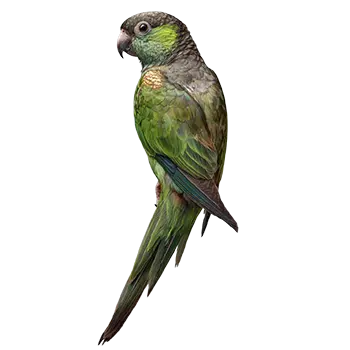

Understanding the Adult Bronze Winged Parakeet

The Bronze Winged Parakeet reaches full physical maturity at approximately one to two years of age and enters a prime period that, with proper care, can extend for well over a decade. Adults of this species typically weigh between 55 and 65 grams and measure seven to eight inches in length, with the vivid green body plumage, distinctive bronze-brown wing patches, whitish eye ring, and dusky blue flight feathers that define their appearance. The adult years represent the longest and most stable phase of the bird's life, a time when the investment made in early socialization, training, and dietary establishment pays dividends in the form of a confident, engaging, and physically robust companion.

In the wild, adult Bronze Winged Parakeets range across the forests, savannas, and forest edges of northern South America, from Venezuela through the Guianas and into northern Brazil. They are highly social, living in flocks that forage together across the canopy for fruits, seeds, flowers, and insects. This natural history informs every aspect of captive care. An adult Bronze Winged Parakeet in a home environment retains the same instincts for social interaction, physical activity, and dietary variety that define its wild counterparts, and meeting these needs is the central task of responsible ownership during the adult years.

The adult stage also brings the full expression of the individual bird's personality. Some Bronze Winged Parakeets are bold and outgoing, eager to interact with every person and explore every corner of the house. Others are more reserved, preferring the company of their primary caregiver and observing new situations from a safe distance before engaging. Neither temperament is better or worse, but understanding your individual bird's personality allows you to tailor your care approach to maximize its comfort and well-being. A bold bird benefits from varied social opportunities and challenging enrichment, while a more cautious bird thrives with consistent routines, gradual introductions to novelty, and a secure, predictable environment.

Physically, a healthy adult Bronze Winged Parakeet should have smooth, tightly feathered plumage with vibrant coloration, clear and bright eyes, clean and symmetrical nares, a well-formed beak that closes evenly, and smooth, well-scaled feet with strong grip. The bird should be active, vocal, and engaged with its surroundings during waking hours. Any departure from this baseline, whether a change in feather condition, posture, vocalization, appetite, or activity level, warrants attention and potentially veterinary evaluation.

Nutrition & Diet Management

Nutrition is the single most influential factor in determining the long-term health and longevity of an adult Bronze Winged Parakeet. In the wild, these birds enjoy a remarkably diverse diet that shifts with seasonal availability, encompassing ripe and unripe fruits, flower buds and nectar, seeds at various stages of maturity, and occasional insects. Replicating this nutritional diversity in captivity requires thought and effort, but the payoff in terms of health, feather quality, immune function, and behavioral wellness is substantial.

The foundation of the adult diet should be a high-quality, appropriately sized pelleted food formulated for small parrots or parakeets. Pellets provide balanced nutrition and eliminate the selective feeding behavior that plagues seed-based diets, where birds pick out their favorite high-fat seeds and leave the rest. Pellets should constitute approximately 50 to 60 percent of the total dietary intake. Choose a pellet brand that uses natural ingredients and avoids artificial colors and excessive sugar, as these additives offer no nutritional benefit and may contribute to health problems over time.

Fresh produce should make up 30 to 40 percent of the daily diet. Offer a rotating selection of fruits and vegetables, aiming to include items from different color groups each day to ensure a broad spectrum of vitamins, minerals, and phytonutrients. Dark leafy greens such as kale, Swiss chard, dandelion greens, and romaine lettuce provide calcium, iron, and vitamin A precursors. Orange and yellow vegetables like carrots, sweet potatoes, and butternut squash are rich in beta-carotene. Berries, papaya, mango, and other tropical fruits echo the foods the species would encounter in its natural habitat. Avoid avocado, chocolate, caffeine, alcohol, onion, garlic, and fruit pits and seeds that contain cyanogenic compounds, as these are toxic to parrots.

Seeds and nuts should be treated as supplements and training rewards rather than dietary staples, comprising no more than 10 percent of intake. While Bronze Winged Parakeets enjoy and benefit from the healthy fats in small quantities of sunflower seeds, safflower seeds, and slivers of walnut or almond, an unrestricted seed diet leads predictably to obesity, hepatic lipidosis, vitamin A deficiency, and calcium imbalance. Sprouted seeds are a nutritionally superior alternative to dry seeds, as the germination process converts stored fats into more accessible proteins and vitamins.

Fresh, clean water must be available at all times. Water dishes or bottles should be checked and refreshed at least twice daily, as parakeets frequently dip food into their water, contaminating it quickly. Some owners prefer water bottles to reduce contamination, but if a bottle is used, verify regularly that the bird is drinking from it and that the mechanism is functioning properly.

Exercise & Environmental Enrichment

An adult Bronze Winged Parakeet in peak condition is an active, inquisitive bird that requires daily physical exercise and mental stimulation to maintain its health and behavioral well-being. In the wild, these parakeets spend their days flying considerable distances between foraging sites, climbing through dense vegetation, manipulating food items, and engaging in complex social interactions. The captive environment must provide outlets for these natural drives, or the bird will redirect its energy into undesirable behaviors such as screaming, feather destruction, aggression, or stereotypic repetitive movements.

Daily out-of-cage time is essential for an adult Bronze Winged Parakeet. A minimum of two to three hours of supervised free-flight or supervised exploration time outside the cage allows the bird to exercise its flight muscles, explore its environment, and interact with its human flock. Before releasing the bird, ensure the space is safe by closing windows and doors, covering mirrors and large glass surfaces, turning off ceiling fans, removing toxic plants, and securing other pets. Establish designated play areas with perches, play gyms, and foraging stations where the bird can land, rest, and engage with enrichment activities during its out-of-cage time.

Within the cage, enrichment should be varied, rotated regularly, and designed to encourage natural behaviors. Foraging enrichment is particularly important for Bronze Winged Parakeets, as these birds are programmed to spend a significant portion of their day searching for and manipulating food. Wrap treats in paper, hide pellets inside foraging boxes with access holes, thread vegetables onto skewers, and use commercially available foraging toys that require the bird to solve a puzzle to access a reward. Rotate foraging setups every few days to maintain novelty and prevent the bird from losing interest.

Textural and material variety in toys promotes healthy beak maintenance and satisfies the bird's need to chew. Untreated wood blocks, woven palm and seagrass items, leather strips, and vegetable-tanned rawhide pieces all provide appropriate chewing substrates. Avoid toys with small metal parts that can be ingested, chains with links that can trap toes, or cotton rope that can be shredded into fibers and swallowed, potentially causing crop or intestinal impaction.

Bathing is both enrichment and hygiene for adult Bronze Winged Parakeets. Most individuals enjoy bathing and should be offered the opportunity at least three to four times per week. Options include a shallow dish of lukewarm water placed on a flat surface, a gentle misting with a spray bottle, or supervised access to a running faucet at a gentle flow. Regular bathing promotes healthy skin and plumage, aids in feather maintenance, and provides sensory stimulation that many birds clearly enjoy.

Behavioral Patterns & Hormonal Management

Adult Bronze Winged Parakeets exhibit a range of behavioral patterns that reflect their social nature, intelligence, and biological drives. Understanding these behaviors allows caregivers to respond appropriately, distinguish normal expression from concerning changes, and manage the seasonal hormonal cycles that can intensify certain behaviors and create challenges in the home environment.

Vocalization is a natural and important part of Bronze Winged Parakeet behavior. Adults typically vocalize most actively in the early morning and late afternoon, mirroring the dawn and dusk activity peaks of wild flocks. These vocalizations range from soft contact calls and conversational chattering to louder flock calls that serve to maintain group cohesion. While Bronze Winged Parakeets are not among the loudest parrot species, their calls can be persistent and carry well. Excessive screaming that goes beyond normal flock calling often signals unmet needs, whether for social interaction, mental stimulation, sleep, or dietary variety. Addressing the underlying cause is far more effective than attempting to suppress the behavior through punishment.

Hormonal behavior is a seasonal reality for adult parrots, typically triggered by increasing day length in the spring and early summer. During hormonal periods, Bronze Winged Parakeets may display regurgitation directed at a favorite person or object, increased territorial aggression around the cage, heightened vocalization, and, in females, a drive to seek out dark, enclosed nesting spaces. Males may become more possessive of their preferred person and more reactive toward perceived rivals. These behaviors are not misbehavior; they are normal physiological responses to reproductive hormones.

Managing hormonal behavior focuses on environmental adjustments that reduce the hormonal triggers rather than punishing the bird for its biology. Ensure the bird receives no more than 10 to 12 hours of light per day, using cage covers or moving the bird to a quiet, dark room at a consistent evening hour. Remove access to dark, enclosed spaces such as tents, boxes, or the insides of furniture, as these mimic nesting cavities and stimulate reproductive behavior. Avoid petting the bird on its back, under the wings, or near the tail, as touch in these areas can be sexually stimulating for parrots; instead, limit petting to the head and neck. Adjust the diet during hormonal periods by reducing high-energy, warm, soft foods and increasing vegetables and foraging-based food delivery to redirect the bird's focus.

Biting and aggression during hormonal surges should be managed with calm, consistent responses. If the bird is in a heightened state and biting or lunging, give it space rather than forcing interaction. Use positive reinforcement to reward calm behavior and redirect the bird's energy toward appropriate activities. The hormonal period is temporary, typically lasting several weeks, and most birds return to their baseline temperament once the hormonal surge subsides.

Health Maintenance & Preventive Care

Preventive health care is the cornerstone of a long, healthy life for an adult Bronze Winged Parakeet. Unlike mammals that often show early, visible signs of illness, parrots are prey animals that instinctively mask symptoms of weakness until a condition has become advanced. By the time a Bronze Winged Parakeet visibly appears ill, the disease process may already be well established. This makes regular veterinary monitoring and diligent home observation essential components of adult health management.

Annual veterinary examinations are the recommended standard for healthy adult Bronze Winged Parakeets. Each annual visit should include a comprehensive physical examination, a complete blood count and plasma chemistry panel to evaluate organ function and screen for metabolic abnormalities, and a fecal gram stain to assess gut flora balance. Many avian veterinarians also recommend annual screening for Chlamydiosis, particularly in birds that have contact with other avian species or that are exposed to wild birds. The annual visit establishes an ongoing record of baseline values that allows your veterinarian to detect subtle changes, such as a gradually rising liver enzyme level or a declining white blood cell count, before clinical symptoms appear.

At home, daily observation is your first line of defense. Develop the habit of assessing your bird each morning before covering or uncovering the cage. Note the quantity, color, and consistency of overnight droppings. Normal droppings consist of a dark green to brown fecal component, a white to off-white urate portion, and a small amount of clear urine. Changes in any of these components, such as undigested food in the feces, yellow or green-tinged urates, or excessively watery urine, can signal gastrointestinal, renal, or hepatic problems. Observe the bird's posture, activity level, feather condition, and appetite throughout the day, and note any deviations from normal.

Nail and beak maintenance is a routine husbandry task for adult parakeets. While a varied selection of perch diameters and textures helps naturally wear down nails and beaks, most captive birds will periodically need their nails trimmed to prevent overgrowth that can impair perching and lead to injuries. Beak trimming should only be performed if there is a genuine overgrowth or misalignment, and it should always be done by a veterinarian or experienced avian professional, as the beak contains blood vessels and nerves and improper trimming can cause pain, bleeding, and permanent damage.

Bonding & Social Needs

The social needs of an adult Bronze Winged Parakeet are not an optional consideration but a fundamental requirement for the bird's mental and emotional health. These parakeets form deep, enduring bonds with their companions, whether avian or human, and they suffer measurably when those social needs go unmet. Loneliness, boredom, and social deprivation are among the most common root causes of behavioral problems in captive parakeets, and addressing these needs proactively is far more effective than treating the symptoms after they develop.

The quality of daily interaction matters more than sheer quantity. A Bronze Winged Parakeet benefits more from two hours of focused, engaged interaction, during which the caregiver is actively talking to, handling, training, or playing with the bird, than from eight hours of passive proximity in which the bird sits on a shoulder while the caregiver watches television or works on a computer. Active interaction stimulates the bird mentally, reinforces the social bond, and provides the enrichment that keeps the bird behaviorally healthy. Incorporate a mix of activities into your daily routine: training sessions, foraging games, gentle preening of head feathers, and simple conversations in which the bird hears and responds to your voice.

For households in which the primary caregiver is away for significant portions of the day, providing environmental enrichment and, when appropriate, avian companionship becomes especially important. A second Bronze Winged Parakeet or a compatible small parrot species can provide the social interaction the bird craves during the hours it would otherwise spend alone. However, introducing a second bird is a significant commitment that requires careful consideration of quarantine protocols, compatibility assessment, housing requirements, and the understanding that two birds will bond primarily with each other and may become less focused on human interaction.

Maintaining the bond with an adult Bronze Winged Parakeet over years requires consistency and adaptability. As life circumstances change, from moves and new family members to shifts in work schedules, the bird's routine and social landscape may be disrupted. Parakeets are creatures of habit, and significant changes can cause stress and behavioral regression. When changes are unavoidable, introduce them gradually, maintain as much of the bird's existing routine as possible, and increase one-on-one interaction time during the transition to provide reassurance.

Body language literacy is essential for a healthy caregiver-bird relationship. Learn to read your Bronze Winged Parakeet's signals: relaxed, slightly fluffed feathers and soft vocalizations indicate contentment; pinning eyes, raised feathers, and lunging indicate agitation or fear; beak grinding and one-foot resting signal relaxation and readiness for sleep. Responding appropriately to these signals builds trust and prevents the miscommunications that can lead to bites, fear, and damaged relationships.

Common Adult Health Concerns

While Bronze Winged Parakeets are generally hardy birds, the adult years bring susceptibility to several health conditions that caregivers should understand and watch for. Early recognition and prompt veterinary treatment significantly improve outcomes for most of these conditions, reinforcing the importance of regular health monitoring and established veterinary relationships.

Hepatic lipidosis, commonly known as fatty liver disease, is one of the most prevalent health issues in captive parakeets and is almost entirely preventable through proper nutrition. This condition develops when the bird consumes a diet excessively high in fat, typically from an unregulated seed-based diet, and the liver becomes infiltrated with fat deposits that impair its function. Symptoms may include obesity, overgrown or discolored beak, feather discoloration with yellow or brownish patches, lethargy, and in advanced cases, a distended abdomen visible through the ventral feather tract. Treatment involves dietary correction, hepatoprotective medications prescribed by an avian veterinarian, and in some cases, supplementation with milk thistle extract or other liver-supportive compounds.

Respiratory infections, caused by bacterial, viral, or fungal pathogens, are a significant concern for adult Bronze Winged Parakeets. Aspergillosis, a fungal infection caused by Aspergillus spores that are ubiquitous in the environment, is particularly insidious because it can develop slowly and present with vague symptoms such as voice changes, exercise intolerance, or subtle tail bobbing before progressing to severe respiratory compromise. Maintaining excellent air quality in the bird's environment, avoiding damp or moldy conditions, using HEPA filtration, and never exposing the bird to aerosol sprays, scented candles, nonstick cookware fumes, or cigarette smoke all reduce the risk of respiratory disease.

Feather-destructive behavior, while not a disease in itself, is a common and distressing condition in adult parrots that may stem from medical causes, environmental factors, or psychological distress. A Bronze Winged Parakeet that begins plucking, barbering, or over-preening its feathers should first be evaluated by an avian veterinarian to rule out medical causes such as skin infections, internal parasites, thyroid dysfunction, or liver disease. If medical causes are excluded, the behavioral component must be addressed through environmental enrichment, increased social interaction, dietary evaluation, and in some cases, behavioral modification strategies developed in consultation with an avian behavior specialist.

Other conditions to be aware of in adult Bronze Winged Parakeets include Proventricular Dilatation Disease, which affects the nervous system and gastrointestinal tract, psittacosis caused by Chlamydophila psittaci, external and internal parasites, and reproductive disorders in females such as chronic egg laying or egg binding. Awareness of these conditions does not mean constant worry, but rather a prepared mindset that allows you to recognize symptoms early and respond decisively.

Always consult a qualified professional before making any health-related decisions. This content is provided for informational reference only and should not replace professional guidance specific to your animal.