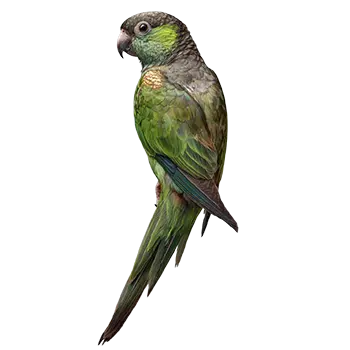

Recognizing the Final Stage

The end-of-life stage in a Bronze Winged Parakeet may arrive gradually through the progression of age-related decline or chronic disease, or it may come suddenly through an acute illness or catastrophic health event. Regardless of the path, recognizing that a bird has entered this stage allows the caregiver to shift focus from curative treatment to comfort care, ensuring that the bird's remaining time is characterized by as little suffering and as much peace as possible.

Gradual terminal decline typically manifests as an accelerating version of the changes seen during the senior years. The bird loses weight despite maintained or even increased caloric intake, indicating that the body is no longer able to efficiently process and utilize nutrition. Activity levels drop further, with the bird spending most of its time resting in a single location and showing little interest in exploration, play, or social interaction beyond passive proximity to its caregiver. Feather condition deteriorates, with plumage becoming dull, unkempt, and increasingly sparse as the body diverts resources away from non-essential functions.

More specific signs that a Bronze Winged Parakeet is entering the terminal phase include persistent fluffing regardless of environmental temperature, an inability or unwillingness to perch, spending extended periods sitting on the cage floor, labored or audible breathing at rest, a marked reduction in or cessation of vocalization, dropping food from the beak during eating attempts, and droppings that are consistently abnormal in color, consistency, or volume. A bird that no longer responds to stimuli that would normally elicit a reaction, such as the sound of its caregiver's voice or the sight of a favorite treat, has likely entered a stage of significant decline.

Sudden decline can occur when a previously stable chronic condition decompensates, when an internal organ system fails acutely, or when a new illness overwhelms the bird's diminished reserves. In small parrots like Bronze Winged Parakeets, the progression from visible illness to critical condition can be alarmingly rapid, sometimes occurring within hours. Any sudden change in a bird that was previously managing its condition should prompt immediate veterinary contact to assess whether the situation is treatable or whether the focus should shift to palliative care.

Pain Management & Comfort Care

Ensuring that a dying Bronze Winged Parakeet is free from unnecessary pain is the most important aspect of end-of-life care. Birds are stoic creatures that conceal suffering as an evolutionary defense against predation, which means that visible signs of pain in a parakeet represent a level of discomfort that has overwhelmed the bird's considerable capacity to hide it. Caregivers should assume that any bird in terminal decline is experiencing some degree of discomfort and should work with their avian veterinarian to implement an appropriate pain management protocol.

Avian pain management has advanced significantly in recent years, and several classes of analgesic medications are available for use in parrots. Nonsteroidal anti-inflammatory drugs such as meloxicam are commonly prescribed for chronic pain and inflammation in birds and can provide meaningful relief for conditions such as arthritis, organ inflammation, and tumor-related discomfort. Opioid medications may be used for more severe pain. Gabapentin, originally developed as an anticonvulsant, is increasingly used in avian medicine for neuropathic pain and anxiety. The specific medication, dosage, and route of administration should always be determined by your avian veterinarian, as drug metabolism in birds differs substantially from mammals, and many medications that are safe for dogs or cats are toxic to parrots.

Comfort care extends beyond pharmacological pain management to encompass the bird's entire physical environment and daily experience. Keep the bird warm, as a terminally ill parakeet's ability to thermoregulate is severely compromised. A ceramic heat panel mounted on one side of the cage allows the bird to move toward or away from the warmth as needed. Maintain ambient temperatures between 78 and 85 degrees Fahrenheit in the area immediately surrounding the bird. Ensure the cage is draft-free and positioned away from air conditioning vents, open windows, and exterior doors.

Minimize stress in every way possible. Reduce handling to what is necessary for medication administration and basic care. Keep the environment quiet and predictable, shielding the bird from household chaos, loud noises, and the presence of unfamiliar people or animals. Maintain the routines and social rituals that have defined the bird's daily life, as familiar patterns provide comfort and a sense of security even when the bird's world is narrowing. If the bird still derives comfort from being held or sitting close to its caregiver, continue offering that closeness gently and without constraint.

Nutritional Support in Decline

As a Bronze Winged Parakeet approaches the end of its life, its relationship with food inevitably changes. Appetite declines, food preferences may shift, and the bird may lose the physical ability to eat certain foods it previously enjoyed. The goal of nutritional support during this stage is not to maintain ideal nutrition or optimal weight but to provide nourishment that the bird can consume with minimal effort and that contributes to its comfort rather than adding stress.

Offer the bird's favorite foods in easily accessible, easy-to-eat preparations. If the bird has always loved fresh mango, offer it finely diced and placed in a shallow dish at perch level or on the cage floor where the bird is resting. Warm, soft foods such as cooked oatmeal, mashed sweet potato, softened pellets mixed into a warm paste, and pureed fruits may be more appealing and easier to swallow than dry or hard foods. Some terminally ill birds that have stopped eating independently can be tempted with warm, aromatic foods that engage the senses.

Hydration is often a more pressing concern than caloric intake during terminal decline. Dehydration accelerates deterioration and increases discomfort. Ensure fresh water is always within easy reach, and consider offering water-rich foods such as watermelon, cucumber, and grapes to supplement fluid intake. If the bird is not drinking adequately on its own, your avian veterinarian may recommend subcutaneous fluid administration, a simple procedure in which sterile fluids are injected under the skin to provide hydration. This can be taught to caregivers for at-home administration if appropriate.

Resist the urge to force-feed a bird that is consistently refusing food. While it can be distressing to watch a beloved companion decline, forced feeding at the end of life causes stress, discomfort, and fear without meaningfully extending the bird's life or improving its experience. A bird that has stopped eating voluntarily is communicating something important about its condition. Discuss the implications of food refusal with your veterinarian to understand whether the bird's appetite loss is reversible or whether it represents a natural part of the dying process.

If your avian veterinarian determines that assisted feeding is appropriate and could improve the bird's comfort, syringe feeding with a warm, liquid nutritional supplement may be offered in small, gentle amounts. The bird's response should guide the process entirely. A bird that swallows willingly and appears comforted by the feeding may benefit from continued supplementation. A bird that resists, turns its head away, or becomes distressed should not be subjected to further attempts.

Environmental Adjustments for Comfort

The living environment of a terminally ill Bronze Winged Parakeet should be simplified and adapted to prioritize safety, accessibility, and comfort above all other considerations. The cage that served the bird well during its active years may no longer be appropriate for a bird with severely limited mobility, and modifications can make a meaningful difference in the bird's remaining quality of life.

If the bird is no longer able to perch reliably, remove elevated perches and create a comfortable ground-level living area. Line the cage floor with soft, clean towels or fleece pads that provide cushioning and warmth. Position food and water dishes directly on the floor within easy reach. If the bird still attempts to perch but has a weakened grip, provide a wide, flat platform perch positioned very low to the floor so that any fall is inconsequential. Remove toys, swings, and other objects that could fall on the bird or obstruct its movement.

Consider moving the bird to a smaller, hospital-style cage if the primary cage is large and the bird is no longer using most of the space. A smaller enclosure keeps food, water, warmth, and resting areas in close proximity, reduces the energy the bird must expend to access essentials, and makes monitoring easier for the caregiver. Hospital cages, or simple acrylic enclosures with controlled ventilation, also allow for better temperature and humidity regulation.

Lighting should be kept soft and natural during waking hours, with a consistent transition to darkness for sleep. A bird in terminal decline may sleep more than it is awake, and this should be accommodated without concern. Allow the bird to follow its own sleep-wake rhythm rather than imposing an artificial schedule. Cover the cage partially during the day if the bird seeks darkness, and ensure complete, draft-free coverage at night to promote uninterrupted rest.

Maintain cleanliness in the bird's environment, as a terminally ill bird cannot move away from soiled areas as readily as a healthy one. Change cage liners and padding whenever they become soiled, gently shifting the bird as needed. Keep the bird's feathers clean and dry, particularly around the vent area, where soiling from abnormal droppings can cause skin irritation and infection. A soft, warm, damp cloth can be used to gently clean soiled feathers.

Emotional Well-Being & Companionship

Bronze Winged Parakeets are deeply social animals whose emotional lives are richer and more complex than casual observers might assume. A bird that is dying continues to experience its world through its relationships, its sensory environment, and the emotional quality of its daily interactions. Attending to the emotional well-being of a terminally ill parakeet is not a secondary concern but a central component of compassionate end-of-life care.

Your presence is the most powerful source of comfort you can offer your bird during this time. Sit quietly near the cage, speaking softly or simply being there as a calm, familiar presence. Many dying birds derive visible comfort from the proximity of their primary caregiver, relaxing their posture, softening their vocalizations, and resting more peacefully when their person is nearby. If the bird still enjoys being held, continue offering that physical closeness in gentle, low-stress ways. Cradle the bird in your cupped hands or let it rest against your chest, allowing it to feel your warmth without the effort of gripping a finger or perching.

If the bird has a bonded avian companion, the other bird's experience must also be considered during this difficult time. Some companion birds become distressed when they sense that their cage mate is ill, displaying anxiety, increased vocalization, or attempts to feed or preen the sick bird. Others may withdraw, spending less time in proximity to the declining bird. Allow the companion bird to maintain contact with the dying bird if both seem comfortable with the arrangement, as the familiar presence of a flock mate can be soothing. However, if the companion bird becomes aggressive toward the weakened bird, or if the dying bird seems stressed by the companion's presence, separation may be necessary for the protection of both.

Maintain the small rituals and routines that have defined your relationship with the bird. If you have always greeted the bird with a particular phrase in the morning, continue doing so. If the bird has always responded to a certain song or sound, let it hear those familiar things. These continuities provide anchoring points of normalcy in a time of change and loss, both for the bird and for you as its caregiver.

Be present with your own emotions during this process. It is natural to feel grief, helplessness, guilt, and even anger as you watch a beloved companion decline. These emotions do not need to be suppressed or hidden, but they should be processed in ways that do not add stress to the bird's environment. A bird that senses its caregiver's distress may become anxious, so aim for calm, gentle presence during your time with the bird, and seek emotional support from friends, family, or professional counselors outside of those caregiving moments.

Making End-of-Life Decisions

The decision of when and how to end a Bronze Winged Parakeet's life is among the most difficult that a companion animal caregiver will ever face. It is a decision that carries enormous emotional weight and that, regardless of the choice made, often leaves the caregiver questioning whether they acted too soon or waited too long. Understanding the options, discussing them with your avian veterinarian before the crisis point arrives, and establishing a decision-making framework in advance can help you navigate this moment with greater clarity and less anguish.

Euthanasia, the humane termination of life to prevent further suffering, is a compassionate option that should be considered when the bird's quality of life has deteriorated to a point where pain, disability, or distress consistently outweigh comfort, engagement, and peace. There is no single formula for making this determination, but the quality of life assessment framework discussed in the senior care section provides a starting point. When a bird is no longer eating, is in persistent pain despite medication, has lost the ability to perform basic functions such as perching or grooming, or shows signs of suffering that cannot be adequately managed, euthanasia may be the most loving final gift a caregiver can give.

Avian euthanasia is typically performed by an avian veterinarian through an injection of an overdose of anesthetic agent, usually a barbiturate such as pentobarbital. The injection may be given intravenously, intraosseously, or intraperitoneally, depending on the bird's size and the veterinarian's assessment of the most efficient and least distressing route. In many cases, a sedative or anesthetic is administered first to ensure the bird is unconscious and feels nothing before the euthanasia agent is delivered. The process is rapid, and the bird experiences no pain. Discuss the procedure with your veterinarian in advance so you understand what to expect and can decide whether you wish to be present during the procedure.

Some caregivers prefer to allow a natural death, provided the bird is not suffering beyond what can be managed through palliative care. This is a valid choice when pain is well controlled, the bird is peaceful and resting comfortably, and the caregiver is prepared for the unpredictable timeline and the possibility that the dying process may involve periods of distress that require reassessment. If you choose to allow a natural death, maintain close communication with your avian veterinarian and have a plan in place for emergency euthanasia should the bird's condition suddenly worsen beyond what comfort care can address.

Regardless of the path chosen, the decision should be guided by the bird's experience, not the caregiver's desire to hold on. Keeping a bird alive through aggressive intervention when it is clearly suffering serves the caregiver's emotional needs, not the bird's welfare. The willingness to let go, to make the hard decision at the right time, is an act of profound love and respect for the animal that has shared your life.

Grief & Memorializing Your Companion

The loss of a Bronze Winged Parakeet after years or decades of companionship is a genuine bereavement that deserves acknowledgment, space, and support. The grief that follows the death of a beloved bird is not lesser than the grief that follows the loss of any other companion animal, yet it is often minimized by people who do not understand the depth of the bond between a person and their bird. If you are grieving the loss of your parakeet, your feelings are valid and your sorrow is proportional to the love and connection you shared.

Grief after pet loss can manifest in many ways, from profound sadness and tearfulness to numbness, anger, guilt, difficulty concentrating, disrupted sleep, and loss of appetite. Some people experience anticipatory grief that begins well before the bird's actual death, intensifying during the end-of-life caregiving period. Others feel relatively composed until the bird is gone and then experience a delayed wave of emotion. There is no correct way to grieve, and there is no prescribed timeline for healing. Allow yourself to feel whatever arises without judgment.

Practical matters following the bird's death include deciding on the disposition of the remains. Options typically include burial in a yard or garden where local regulations permit, cremation through a pet cremation service with the option of receiving the ashes in an urn or scattering container, and in some areas, communal pet cemetery burial. Your avian veterinarian can usually provide referrals to local pet aftercare services. Making these arrangements in advance, during the end-of-life planning period, relieves the burden of decision-making during acute grief.

Memorializing your Bronze Winged Parakeet can be a meaningful part of the healing process. Some people create a dedicated photo album or digital tribute, plant a tree or garden in the bird's memory, commission a portrait or sculpture, or make a donation to an avian rescue or conservation organization in the bird's name. Others find comfort in writing about their bird, recording memories and stories that capture the personality and presence that made the bird unique. There is no right or wrong way to honor your companion, and the memorial you choose should feel personally meaningful to you.

If your household includes other birds, be attentive to their behavior following the loss. A companion bird that has lost its cage mate may display signs of grief, including reduced vocalization, decreased appetite, listlessness, and searching behavior. Provide extra attention and social interaction to the surviving bird, and monitor it closely for signs of depression or health decline. Some surviving birds benefit from the eventual introduction of a new companion, though this decision should not be rushed and should be based on the surviving bird's individual temperament and needs rather than a caregiver's assumption that a replacement will fix the grief.

Always consult a qualified professional before making any health-related decisions. This content is provided for informational reference only and should not replace professional guidance specific to your animal.