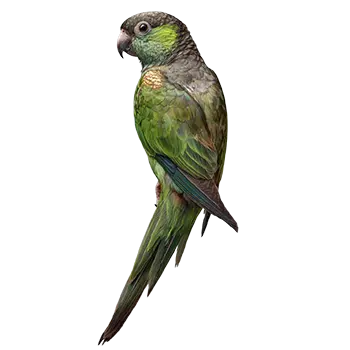

Breeding Readiness & Maturity

Breeding Bronze Winged Parakeets in captivity is a rewarding but demanding endeavor that requires preparation, knowledge, and a genuine commitment to the welfare of both the parent birds and any offspring they produce. Before considering a breeding program, prospective breeders should honestly evaluate whether they have the facilities, time, veterinary support, and placement plan necessary to responsibly breed these parakeets. Bronze Winged Parakeets are not as commonly bred in captivity as some other parrot species, which makes experienced breeding stock less available and makes responsible breeding efforts all the more valuable for maintaining healthy captive populations.

Sexual maturity in Bronze Winged Parakeets is typically reached between one and two years of age, though the bird's physical readiness to reproduce does not necessarily mean it is in optimal condition to do so. Responsible breeders wait until both members of a prospective pair are fully mature, in peak physical health, and have been cleared by an avian veterinarian before allowing breeding to proceed. Pre-breeding health screening should include a comprehensive physical examination, blood work to evaluate organ function and nutritional status, disease testing for Polyomavirus, Psittacine Beak and Feather Disease, and Chlamydiosis, and a fecal analysis to rule out parasitic infections.

Sexing Bronze Winged Parakeets presents a challenge because the species is monomorphic, meaning males and females are visually identical in plumage and size. Reliable sex determination requires either DNA sexing, performed through a blood sample or feather submission to a testing laboratory, or surgical sexing by an experienced avian veterinarian. Assumptions based on behavior or head shape are unreliable and should not be used as the basis for pairing.

Breeding condition, distinct from mere sexual maturity, refers to the overall physiological state that indicates a bird is ready to invest the enormous energy reserves that reproduction demands. A hen in breeding condition will have well-developed pectoral muscles indicating adequate body reserves, smooth and complete plumage reflecting good nutritional status, and clear, bright eyes and clean nares suggesting freedom from infection. Both birds should be alert, active, and at their ideal weight before breeding is initiated.

Pair Bonding & Compatibility

Successful captive breeding of Bronze Winged Parakeets begins with a compatible pair, and compatibility is not guaranteed simply by placing a male and female together in a cage. These parakeets form strong pair bonds in the wild, and captive birds similarly display distinct preferences and aversions toward potential mates. A forced pairing between incompatible birds can result in chronic stress, aggression, injury, or outright refusal to breed, regardless of how optimal the environmental conditions may be.

Introduce prospective pairs gradually. Begin by housing the two birds in adjacent cages where they can see, hear, and interact with each other through the cage bars without physical contact. Observe their behavior over a period of weeks. Positive signs include mutual preening through the bars, synchronized feeding, close proximity at the shared cage wall, soft vocalizations directed at each other, and relaxed body language in each other's presence. Negative indicators include persistent aggression, avoidance, stress-related behaviors such as feather plucking or excessive screaming, and one bird consistently retreating to the far side of its cage.

Once the birds demonstrate consistent positive interest in each other, they can be introduced into a shared enclosure. The shared cage or flight should be large enough for both birds to maintain personal space and escape from each other if needed. Provide multiple feeding stations, water sources, and perching areas so that neither bird can monopolize resources. Monitor the pair closely during the first several days of cohabitation, watching for aggression that escalates beyond normal boundary-setting. Minor beak sparring and chasing are typical during the establishment of the pair dynamic, but persistent biting, foot grasping, or one bird preventing the other from accessing food or water requires immediate separation and reevaluation.

Pair bond formation in Bronze Winged Parakeets may take weeks or months, and patience is essential. A true pair bond is characterized by mutual allopreening, shared roosting, synchronized activity patterns, and the quiet, affectionate behaviors that signal deep social connection. Breeding attempts are far more likely to succeed, and the resulting parental care far more reliable, when the pair bond is strong and well established before nest boxes are introduced.

Nest Box Setup & Environment

The nest box and breeding environment are critical factors in stimulating reproductive behavior and supporting successful incubation and chick rearing in Bronze Winged Parakeets. In the wild, these parakeets nest in natural tree cavities and occasionally in arboreal termite mounds across their range in northern South America. Captive nest boxes should replicate the essential features of these natural sites while providing the accessibility needed for monitoring and intervention.

A suitable nest box for Bronze Winged Parakeets should be constructed from untreated hardwood or thick plywood and should measure approximately 8 inches wide by 8 inches deep by 12 to 14 inches tall, with a round entrance hole approximately 2.5 inches in diameter positioned near the top of the front panel. A removable or hinged lid or side panel allows the breeder to inspect the nest contents without removing the box from the cage. Attach the nest box to the outside of the cage at the highest practical point, as most parakeets prefer elevated nesting sites that provide a sense of security.

Nest box substrate is important for egg cushioning, humidity regulation, and chick comfort. Line the bottom of the box with a two-inch layer of untreated pine shavings, aspen shavings, or a mixture of shavings and shredded paper. Avoid cedar shavings, which release aromatic compounds that can irritate the respiratory systems of both parents and chicks. Some breeders add a shallow concavity in the center of the substrate to help keep eggs clustered together and prevent them from rolling into corners where they may not receive adequate incubation contact.

The broader breeding environment extends beyond the nest box itself. The cage or flight housing the breeding pair should be positioned in a location that is relatively quiet and free from heavy foot traffic, sudden noises, and disturbances from other animals. While Bronze Winged Parakeets are social birds, breeding pairs benefit from a degree of privacy during the nesting period. A visual barrier on one or two sides of the cage can help reduce stress and give the pair a sense of seclusion.

Light cycle manipulation can be used to bring the pair into breeding condition. Gradually increasing the photoperiod to 12 to 14 hours of light per day over a period of several weeks mimics the lengthening days that trigger reproductive hormones in the wild. Full-spectrum lighting that includes UVB wavelengths supports vitamin D synthesis and calcium metabolism, both of which are essential for eggshell formation and embryonic development.

The Egg-Laying & Incubation Period

Once a bonded pair of Bronze Winged Parakeets accepts the nest box and completes courtship, the hen will begin laying eggs. A typical clutch consists of four to six white eggs, laid on alternate days until the clutch is complete. The hen may begin incubating after the first or second egg is laid, or she may wait until the clutch is nearly complete before sitting in earnest. The variation in incubation onset affects the synchrony of hatching, with early incubation leading to staggered hatches and delayed incubation resulting in more synchronous hatching.

The incubation period for Bronze Winged Parakeet eggs is approximately 26 days, though individual eggs may vary by a day or two in either direction. The hen performs the majority of incubation duties, sitting tightly on the eggs for the greater part of each day and night, leaving the nest only briefly to eat, drink, and defecate. The male's role during incubation is to guard the nest entrance, alert the hen to potential threats, and in many pairs, to feed the hen while she is on the eggs. Some males enter the nest box periodically, though sustained male incubation is less common in Brotogeris species.

Monitoring during incubation should be conducted with care and restraint. Brief, daily checks of the nest box, timed when the hen steps out to eat, allow the breeder to verify egg condition without causing prolonged disturbance. Note the number of eggs, check for any that have cracked, been pushed to the edge of the nest, or appear discolored. Candling, the process of shining a light through the shell to assess embryonic development, can be performed after approximately seven to ten days of incubation. A fertile, developing egg will show a network of blood vessels and a dark embryonic mass, while an infertile egg will appear uniformly clear. Remove infertile eggs after confirming their status through two candling sessions separated by several days, as eggs that appear infertile early may occasionally show delayed development.

Humidity within the nest box plays a role in successful incubation and hatching. If the ambient humidity in the breeding room is very low, the eggs may lose excessive moisture through the shell, leading to dehydration of the developing embryo and difficulty during hatching. Monitor humidity with a hygrometer placed near the breeding cage and supplement with a room humidifier if ambient humidity falls consistently below 40 percent. The nest box substrate helps maintain a favorable microclimate around the eggs, and lightly misting the substrate with warm water during nest checks can provide additional humidity support.

Hatch Day & Immediate Aftercare

The hatching of Bronze Winged Parakeet chicks is the culmination of weeks of preparation, incubation, and careful monitoring. As the incubation period nears its end, typically around day 24 to 26, the breeder should increase the frequency of brief nest box checks to watch for signs that hatching is imminent. The first sign is often a small, star-shaped crack or pip mark on the surface of the egg, created by the chick using its egg tooth to break through the shell from within. The interval between the initial pip and complete emergence can range from several hours to a full day, and it is critical that the breeder resist the urge to assist unless there is clear evidence that the chick is in distress.

Assisted hatching, in which the breeder manually opens the shell to help a struggling chick emerge, should only be attempted when a chick has pipped but made no further progress for 24 hours or more, when the membrane is visibly dried and adhered to the chick, or when the chick's vocalizations indicate distress. Premature assistance can cause severe hemorrhage if blood vessels in the membrane have not yet been fully absorbed. If assisted hatching is necessary, work with extreme care, moistening the membrane with warm sterile saline and removing tiny fragments of shell at a time while monitoring for active bleeding.

Once a chick has hatched, allow it to dry and rest in the nest box under the hen's warmth without handling it for the first several hours. The hen will typically begin feeding the chick within a few hours of hatching, once the yolk sac has been absorbed and the chick begins exhibiting a feeding response. If the breeder intends to hand-raise the chick, most experts recommend leaving the chick with the parents for the first one to three weeks to benefit from parental feeding, immune support through crop microbiota transfer, and the natural warmth and security of the nest environment.

In clutches with staggered hatching, size disparity among chicks can become a concern. The oldest, largest chick receives the most food and the most favorable position in the nest, while the youngest, smallest chick may be pushed to the periphery and fed less consistently. Monitor the growth rates of all chicks by weighing them daily, and be prepared to supplement the smallest chick with hand-feedings if it falls significantly behind its siblings in weight gain.

The nest box will require more frequent cleaning once chicks are present. Parent birds produce larger droppings during the feeding period, and chick droppings accumulate rapidly, creating a warm, moist environment that can harbor bacteria and fungi. Replace soiled substrate every two to three days during the first week, increasing frequency as the chicks grow and produce greater volumes of waste. Work quickly and calmly during nest box maintenance to minimize disruption to the parents and chicks.

Nutritional Demands During Breeding

Breeding places extraordinary nutritional demands on both parent Bronze Winged Parakeets, and the quality of the diet provided during the breeding period directly influences fertility rates, egg quality, hatch rates, chick viability, and the parents' own health and recovery. A diet that is adequate for maintenance during the non-breeding season is not sufficient to support the metabolic demands of reproduction, and breeders must proactively enhance the nutritional program before pairing and throughout the breeding cycle.

Calcium is the single most critical nutrient for breeding hens. Each egg requires a substantial investment of calcium for shell formation, and a hen producing a clutch of four to six eggs depletes her calcium reserves rapidly. Inadequate calcium availability leads to thin-shelled or soft-shelled eggs that are prone to breakage, egg binding, a life-threatening condition in which the hen cannot pass a fully formed egg, and hypocalcemia, which can cause seizures and death. Begin calcium supplementation well before breeding is initiated. Provide cuttlebone and mineral block access at all times, offer calcium-rich foods such as cooked broccoli, kale, and calcium-fortified pellets, and discuss liquid calcium supplementation with your avian veterinarian. Full-spectrum UVB lighting or supervised natural sunlight exposure is essential for vitamin D synthesis, which in turn is required for intestinal calcium absorption.

Protein requirements increase significantly during breeding, particularly during the chick-rearing phase when parents are producing crop secretions to feed their young. Supplement the base diet with high-quality protein sources such as cooked egg with shell, cooked legumes, sprouted seeds and grains, and small quantities of cooked, unseasoned chicken or fish. Egg food, a mixture of hard-boiled egg mashed with shell and mixed with a small amount of bread crumbs or ground pellets, is a traditional and effective breeding supplement that most Bronze Winged Parakeets accept readily.

Soft foods and fresh produce take on heightened importance during breeding because the parents use these items to feed their chicks. Offer an expanded variety of chopped fruits, steamed vegetables, warm cooked grains, and soaked or sprouted seeds. Many breeders prepare a daily soft food mix that the parents can efficiently convert into crop feedings for the chicks. Remove uneaten soft foods within two to four hours of serving to prevent spoilage and bacterial growth, especially in warm weather.

The male's nutritional needs during breeding are often overlooked but are genuine. While he does not produce eggs, he is actively guarding the nest, feeding the hen during incubation, and contributing to chick feeding once the eggs hatch. His caloric and protein requirements are elevated above maintenance levels throughout the breeding period, and his condition should be monitored alongside the hen's to ensure he is maintaining weight and health.

Common Breeding Complications

Even with careful preparation and management, breeding Bronze Winged Parakeets can present complications that require prompt recognition and, in many cases, veterinary intervention. Understanding the most common breeding-related problems enables breeders to act quickly and decisively when issues arise, improving outcomes for both parents and chicks.

Egg binding is the most acute and dangerous breeding complication in female parakeets. This condition occurs when a fully formed egg becomes lodged in the oviduct and the hen is unable to expel it. Risk factors include calcium deficiency, first-time laying, obesity, cold environmental temperatures, and general poor condition. Symptoms include straining, a visibly distended abdomen, sitting on the cage floor with a wide stance, fluffed feathers, labored breathing, and progressive lethargy. Egg binding is a veterinary emergency. While mild cases may respond to supportive care including warmth, humidity, and calcium supplementation, many cases require veterinary intervention including manual extraction or surgical removal. Do not attempt to manually extract a bound egg without veterinary guidance, as a ruptured egg inside the oviduct can cause peritonitis and death.

Infertility can be frustrating for breeders and may stem from a variety of causes. Inadequate nutrition, particularly insufficient vitamin E and selenium, can reduce sperm viability in males and ovulation regularity in females. Behavioral incompatibility between the pair, excessive disturbance of the breeding environment, suboptimal lighting conditions, and underlying health problems in either bird can all contribute to infertile eggs. If a pair produces consistently infertile clutches, reevaluate the breeding environment, diet, and pair compatibility, and submit both birds for comprehensive health evaluation.

Parental neglect or aggression, while uncommon in well-bonded pairs, can occur and poses an immediate risk to eggs and chicks. A hen that abandons her eggs partway through incubation may be responding to disturbance, illness, or a perceived threat. In some cases, the pair may consume or destroy their own eggs, a behavior that can become habitual if not addressed. If the parents fail to feed newly hatched chicks, or if one parent becomes aggressive toward the chicks, the breeder must be prepared to intervene with artificial incubation or hand-rearing to save the clutch.

Chick mortality in the first week of life is the most common period of loss in captive breeding. Causes include parental inexperience leading to inadequate feeding, bacterial or yeast infections in the crop or gastrointestinal tract, congenital abnormalities incompatible with survival, and environmental factors such as temperature extremes or unsanitary nest conditions. Meticulous monitoring of chick weights, nest box conditions, and parental behavior during this critical period allows the breeder to identify struggling chicks early and provide supplemental feeding or veterinary intervention as needed.

Breeders should also be aware of the cumulative toll that repeated breeding cycles take on the hen's body. Chronic egg production depletes calcium reserves, stresses the reproductive tract, and can lead to chronic egg laying, prolapsed cloaca, or salpingitis, an infection of the oviduct. Responsible breeders limit the number of clutches per year, typically to no more than two, and provide extended rest periods between breeding cycles during which the nest box is removed, the photoperiod is reduced, and the hen's body can recover.

Always consult a qualified professional before making any health-related decisions. This content is provided for informational reference only and should not replace professional guidance specific to your animal.