
The First 24 Hours

Bourke's Parakeet chicks hatch after an incubation period of approximately eighteen to nineteen days. The newly emerged hatchlings are altricial, meaning they are born blind, nearly featherless, and entirely dependent on their parents for warmth and nourishment. During the first hours of life, the chick will rest frequently and begin to receive its first feedings from the hen, who regurgitates a nutrient-rich crop milk to sustain it.

It is critical that breeders and keepers resist the urge to handle the chicks or disturb the nest box excessively during this fragile window. The hen needs a calm, stress-free environment to bond with her new offspring and establish a consistent feeding rhythm. Excessive noise, vibrations, or curious peeking into the nest box can cause the hen to abandon the chick or reduce her feeding frequency.

If you are monitoring the nest, do so briefly and quietly. Check that the chick appears warm, that its crop is filling after feedings, and that the hen is attentive. A healthy newborn Bourke's Parakeet will have pinkish skin and a visible crop that swells gently after being fed. If the crop remains flat for many hours, or if the hen shows no interest in feeding, you may need to consult an avian veterinarian about supplemental hand-feeding.

Keep the room temperature stable and slightly warmer than usual, ideally in the range of 80 to 85 degrees Fahrenheit near the nest. Drafts are particularly dangerous for hatchlings that cannot yet regulate their own body temperature. A well-insulated nest box with appropriate bedding material such as untreated pine shavings will help the hen maintain the correct microclimate for her brood.

Feeding & Crop Development

In the first few days after hatching, the Bourke's Parakeet chick relies exclusively on crop milk provided by the hen. This substance is rich in proteins and fats essential for rapid early growth. As the chick matures over the first week, the hen gradually transitions to regurgitating partially digested seeds and soft food, which introduces the chick's digestive system to more complex nutrition.

For breeders who provide supplemental soft foods to the parents, this period is an excellent time to increase the availability of egg food, sprouted seeds, and finely chopped leafy greens. The higher the nutritional quality of the parents' diet, the more robust the chick's early development will be. Avoid offering anything with added salt, sugar, or artificial preservatives, as these can pass through the crop milk and harm the delicate chick.

If hand-feeding becomes necessary due to parental neglect or illness, use a commercially prepared hand-feeding formula designed specifically for parakeets or small parrots. The formula must be mixed to the correct consistency and temperature according to the manufacturer's directions. Feeding that is too hot can cause crop burns, while formula that is too cold may not be accepted by the chick or can slow digestion dangerously.

Monitor the chick's crop after each feeding. A properly fed chick will have a visibly full, rounded crop that empties gradually over the course of a few hours. If the crop remains distended, feels hard, or does not empty within a reasonable time frame, this can indicate crop stasis, a potentially life-threatening condition that requires immediate veterinary attention.

Developmental Milestones

Bourke's Parakeet chicks develop quickly despite their helpless beginnings. Within the first three to four days, you may notice the faintest traces of pin feathers beginning to emerge along the wings and back. The eyes, sealed shut at birth, will start to open around seven to ten days of age, giving the chick its first glimpses of the world inside the nest box.

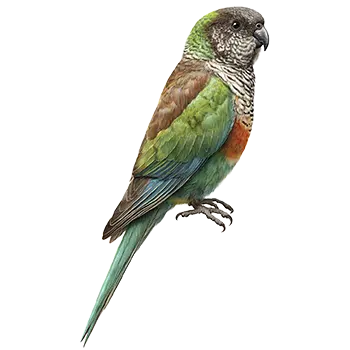
By the end of the second week, feather development accelerates noticeably. The characteristic soft pink and brown plumage of the Bourke's Parakeet begins to appear as the pin feathers unfurl. The chick becomes more active, shifting its position in the nest and responding more visibly to sounds and the presence of the parent birds. Leg strength increases, and the chick may begin attempting to grip the nest box floor or bedding material.

Around three weeks of age, the chick's feathering is well underway, and its overall body size has increased dramatically from its hatching weight. At this stage, the chick begins to show early signs of curiosity, turning its head toward light and sound. If there are multiple chicks in the clutch, they will huddle together for warmth and comfort, creating a small, feathered cluster in the nest.

The fourth and fifth weeks mark the transition period toward fledging. The chick's flight feathers grow in, its tail lengthens, and it may begin flapping its wings vigorously while still in the nest box. This is a sign that the chick is preparing to leave the nest, a milestone that typically occurs around four to five weeks of age in Bourke's Parakeets.

Temperature & Environment

Maintaining the correct environmental conditions is one of the most important responsibilities when caring for newborn Bourke's Parakeets. Hatchlings cannot thermoregulate for roughly the first two weeks of life, meaning they depend entirely on the hen and the nest box environment to stay warm. A room temperature of around 75 to 80 degrees Fahrenheit is ideal for the area surrounding the cage, while the nest box interior will naturally be a few degrees warmer due to the hen's body heat and the insulating properties of the bedding.

The nest box itself should be appropriately sized for Bourke's Parakeets, typically around eight to ten inches square and ten to twelve inches deep. Line the bottom with a generous layer of untreated pine shavings or a similar safe bedding material. Avoid cedar shavings, as the aromatic oils can irritate the respiratory systems of both the parents and the chicks. The bedding should be kept reasonably clean, though frequent full changes during the first week should be minimized to reduce stress on the hen.

Humidity also plays a role in chick health. Excessively dry air can cause dehydration and make it harder for chicks to shed the remnants of their egg membranes. If you live in a particularly arid climate, consider placing a shallow dish of water near the cage or using a room humidifier to maintain ambient humidity around 50 to 60 percent.

Lighting should follow a natural day-night cycle. Bourke's Parakeets are crepuscular by nature, meaning they are most active during dawn and dusk. Keeping the room on a consistent light schedule of approximately twelve hours of light and twelve hours of darkness supports the parents' natural rhythms and promotes healthy chick development.

Early Socialization

Socialization of Bourke's Parakeet chicks is a delicate balance between allowing natural parental bonding and introducing gentle human interaction. For the first ten days or so, it is best to let the parents take the lead entirely. The chicks are too fragile and underdeveloped to benefit from handling, and any disruption to the nest can cause unnecessary stress for the entire family.

Once the chicks' eyes are open and they are becoming more aware of their surroundings, usually around ten to fourteen days, you can begin brief, gentle handling sessions. Start with just a minute or two of careful contact, speaking softly to the chick while cupping it in your warm hands. These short interactions help the chick become accustomed to human scent, voice, and touch, which will make the transition to a companion bird much smoother.

As the chicks grow and feather out during weeks three and four, handling sessions can gradually increase in length. Always ensure your hands are clean and warm before picking up a chick, and never handle them immediately after they have been fed, as this can cause regurgitation or crop issues. The goal at this stage is to build trust and familiarity, not to force interaction.

Bourke's Parakeets are naturally gentle and docile birds, and chicks that receive consistent, calm socialization during the nest phase tend to grow into exceptionally tame and affectionate adults. If the chicks are being raised by the parents without hand-feeding, socialization sessions become even more important to ensure they develop a comfort level with people alongside their bond with the parent birds.

Health Screening & Vet Visits

Scheduling an initial health check with an avian veterinarian is an important step in ensuring your Bourke's Parakeet chicks are developing properly. The first veterinary visit is generally recommended around two to three weeks of age, once the chicks are large enough to be safely examined and have begun to feather out. The vet can assess overall condition, check for congenital issues, and advise on any nutritional adjustments.

Common health concerns in newborn parakeets include crop infections such as candidiasis, bacterial infections, and developmental abnormalities. The veterinarian may take a small sample from the crop or the droppings to check for yeast or bacterial overgrowth. Early detection of these issues dramatically improves treatment outcomes and can prevent the spread of infection to clutchmates.

Breeders should also be aware of the signs of splay leg, a condition where one or both legs splay outward instead of positioning correctly beneath the body. This is more common in chicks raised on slippery or insufficiently padded nest box floors. If caught early, splay leg can often be corrected with simple hobble braces fashioned from soft material. Left untreated, however, it can become permanent and severely impact the bird's quality of life.

Keep a daily log of each chick's weight, crop fills, and general appearance. Tracking weight gain is one of the most reliable indicators of health in baby birds. A healthy Bourke's Parakeet chick should gain weight steadily each day during the first few weeks. Any sudden weight loss, failure to gain, or visible lethargy warrants an immediate veterinary consultation.

When to Worry

While most Bourke's Parakeet hatchlings develop without major complications, there are several warning signs that every keeper and breeder should recognize. A chick that is not being fed, identifiable by a persistently flat or empty crop, is in immediate danger. If the hen is not feeding within the first several hours after hatching, intervention through hand-feeding or fostering the chick to another nursing hen is essential.

Abnormal droppings are another cause for concern. Healthy chick droppings are small, semi-formed, and consist of a dark fecal portion with a white urate component. Droppings that are excessively watery, discolored, or foul-smelling may indicate infection or digestive problems. Similarly, a chick that feels cold to the touch despite adequate nest box conditions may be hypothermic and requires gentle warming and veterinary evaluation.

Labored breathing, audible clicking sounds, or tail bobbing during respiration are signs of respiratory distress. These symptoms can indicate aspiration of hand-feeding formula, bacterial or fungal respiratory infections, or environmental issues such as exposure to fumes, aerosols, or dusty bedding. Remove any potential airborne irritants immediately and seek veterinary care.

Finally, be alert for any chick that seems significantly smaller or weaker than its clutchmates. In clutches of multiple chicks, the youngest or smallest may be pushed aside during feedings, leading to a failure to thrive. If you notice one chick falling behind in growth and development, consider supplemental hand-feedings to ensure it receives adequate nutrition. Early intervention often makes the difference between a chick that catches up and one that does not survive.

Always consult a qualified professional before making any health-related decisions. This content is provided for informational reference only and should not replace professional guidance specific to your animal.