
Breeding Readiness

Before attempting to breed Bourke's Parakeets, it is essential to ensure that both prospective parents are physically mature, in excellent health, and properly conditioned for the demands of reproduction. Bourke's Parakeets typically reach sexual maturity around one year of age, but most experienced breeders recommend waiting until the birds are at least eighteen months old before allowing them to breed. This ensures that the birds' skeletal and reproductive systems are fully developed, reducing the risk of complications during egg laying and chick rearing.

Both the male and female should be at a healthy weight with no signs of illness, feather abnormalities, or nutritional deficiencies. A pre-breeding veterinary examination is strongly recommended, during which the vet can assess body condition, check for parasites, and evaluate the hen's reproductive health. Any underlying health issues should be resolved well before breeding is attempted, as the physical stress of egg production and chick rearing can exacerbate existing conditions.

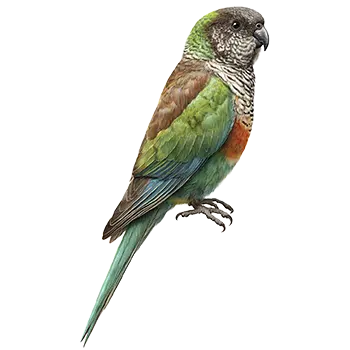
Sexing Bourke's Parakeets can be moderately challenging. In wild-type coloration, mature males typically display a subtle blue band above the cere and may show slightly brighter plumage overall, while females tend to have a more subdued coloration with less blue. In rosy and other color mutations, visual sexing becomes less reliable, and DNA sexing through a feather or blood sample is the most definitive method of confirming gender.

Pair compatibility is an important consideration that is sometimes overlooked. Bourke's Parakeets are generally peaceful birds, but not every male-female pairing will result in a harmonious breeding pair. Introduce prospective pairs in adjacent cages first, allowing them to see and hear each other for several weeks before sharing a space. Signs of mutual interest include feeding through the cage bars, calling to each other, and sitting as close together as the cage walls allow. If the birds show aggression or persistent disinterest, a different pairing may be more successful.

Courtship & Pair Bonding

Bourke's Parakeet courtship is a gentle, understated affair that reflects the species' overall temperament. Once a compatible pair has been established, the male will begin displaying courtship behaviors that include soft vocalizations directed at the hen, rhythmic head bobbing, and mutual preening. The male may also perform brief flight displays, fluttering his wings while perched near the female to showcase his plumage.

Feeding behavior plays a central role in Bourke's Parakeet pair bonding. The male will frequently offer food to the female by regurgitating seeds or soft food directly into her beak. This courtship feeding serves a dual purpose: it strengthens the pair bond and begins to condition the hen nutritionally for the demands of egg production. A hen that readily accepts courtship feeding is generally receptive to the male's advances and nearing breeding condition.

The pair bond in Bourke's Parakeets, once established, tends to be strong and enduring. Bonded pairs will often sit close together on a perch, preen each other's head and neck feathers, and vocalize to each other throughout the day. This mutual attentiveness is a positive indicator that the pair is well-matched and likely to be successful breeding partners.

To stimulate breeding behavior, gradually increase the daylight hours the pair receives to approximately thirteen to fourteen hours per day, simulating the lengthening days of the natural breeding season. The introduction of a nest box is often the final trigger that initiates nesting behavior. The hen will begin inspecting the nest box, spending increasing amounts of time inside, and preparing the bedding material to her satisfaction before egg laying begins.

Egg Laying & Incubation

A Bourke's Parakeet hen typically lays a clutch of three to six eggs, depositing one egg every other day until the clutch is complete. The eggs are small, white, and slightly oval in shape. Some hens begin incubating from the first egg, which results in staggered hatching, while others wait until the clutch is partially or fully laid before sitting consistently. Both approaches are normal for the species.

The incubation period for Bourke's Parakeet eggs is approximately eighteen to nineteen days from the onset of consistent incubation. During this time, the hen will spend the majority of her time in the nest box, leaving only briefly to eat, drink, and relieve herself. The male typically remains nearby, feeding the hen through the nest box opening and standing guard over the nesting area.

Resist the urge to frequently check the nest box during incubation. While a brief daily check is acceptable to ensure the hen and eggs are in good condition, excessive disturbance can cause the hen to abandon the clutch. When checking, look for cracked or damaged eggs, which should be carefully removed. If you wish to assess egg fertility, candling can be performed after approximately seven days of incubation by holding the egg up to a small, bright light source. Fertile eggs will show visible veining and a dark embryo, while infertile eggs will appear clear.

Maintain stable environmental conditions throughout the incubation period. Temperature fluctuations, loud noises, and disruptions to the light cycle can all negatively impact incubation success. Ensure that the breeding cage is positioned in a quiet area of the home, away from heavy foot traffic, television speakers, and other sources of sudden noise. The nest box bedding should remain dry and clean, though full changes during active incubation should be avoided.

Hatching & Early Chick Care

As the incubation period nears its end, you may hear faint peeping sounds coming from inside the eggs as the chicks begin the pipping process. The chick uses a small, temporary structure on its beak called an egg tooth to crack through the shell from the inside. The hatching process can take anywhere from a few hours to a full day, and it is critical that you do not attempt to assist the chick out of the egg unless directed to do so by an avian veterinarian. Premature intervention can cause bleeding and fatal injury.

Newly hatched Bourke's Parakeet chicks are tiny, blind, and covered in sparse white down. They are entirely dependent on the hen for warmth and food during the first days of life. The hen feeds the chicks with crop milk initially, transitioning to regurgitated food as the chicks grow. Monitor the chicks' crops from a distance if possible, checking that they appear filled after the hen's feeding sessions.

If the clutch hatched in a staggered pattern, the oldest chicks will be noticeably larger than the youngest. This size disparity can sometimes lead to the youngest chick being outcompeted for food. If you notice a smaller chick consistently failing to gain weight, supplemental hand-feeding may be necessary to prevent it from weakening further. Consult with an experienced avian breeder or veterinarian for guidance on hand-feeding technique and formula preparation.

During the first two weeks after hatching, keep handling of the chicks to an absolute minimum. The hen is managing the critical tasks of feeding, warming, and cleaning the chicks, and excessive human intervention can disrupt these processes. Brief, gentle checks are acceptable, but extended handling sessions should wait until the chicks are older, more developed, and better able to thermoregulate on their own.

Postpartum & Recovery Care

The period following a breeding cycle is physically demanding for both the hen and the male, though the hen bears the greater physiological burden. Egg production depletes calcium reserves, taxes the liver and kidneys, and requires significant protein to sustain. Once the chicks have fledged and are eating independently, the hen needs a period of rest and nutritional recovery before any subsequent breeding is considered.

Remove the nest box promptly after the chicks have fledged and are fully weaned, typically around seven to nine weeks of age. Leaving the nest box in place can stimulate the hen to begin another clutch before her body has recovered from the previous one. Most experienced breeders limit Bourke's Parakeets to no more than two clutches per year, and many advocate for a single clutch annually to preserve the hen's long-term health.

Provide the breeding pair with an enriched, high-quality diet during the recovery period. Increase the availability of calcium-rich foods and supplements such as cuttlebone, mineral blocks, and calcium-fortified soft foods. Egg food, sprouted seeds, and fresh vegetables should be offered daily to replenish depleted nutrient stores. The hen may undergo a post-breeding molt as her body redirects resources toward feather renewal.

Monitor the hen closely for signs of post-breeding complications such as egg binding, prolapse, or chronic egg laying. Egg binding, where an egg becomes stuck in the reproductive tract, is a life-threatening emergency that requires immediate veterinary intervention. Signs include straining, a swollen abdomen, sitting on the cage floor, and lethargy. If you suspect egg binding, keep the hen warm and transport her to an avian veterinarian without delay.

Responsible Breeding Ethics

Breeding Bourke's Parakeets carries a responsibility that extends well beyond the mechanics of pairing birds and hatching eggs. Responsible breeders consider the welfare of every bird produced, the genetic health of the breeding population, and the availability of suitable homes for offspring before committing to a breeding program.

Genetic diversity should be a priority in any breeding endeavor. Breeding closely related birds increases the risk of congenital defects, weakened immune systems, and reduced fertility in offspring. Maintain accurate records of the lineage of your breeding stock and avoid pairing birds that share recent ancestors. If your breeding population is small, consider collaborating with other reputable breeders to introduce new genetic lines.

Before breeding, have a realistic plan for the chicks. Each Bourke's Parakeet that hatches will need either a permanent home in your care or a responsible new owner who understands the species' needs and is committed to providing lifelong care. Breeding without secured homes for the offspring contributes to the population of unwanted birds in rescues and shelters. Never breed more birds than you can responsibly place or keep.

Finally, consider the broader context of your breeding activities. Bourke's Parakeets are not an endangered species, and breeding should be motivated by a genuine desire to improve the captive population through careful selection, excellent husbandry, and a commitment to producing healthy, well-socialized birds. Breeding purely for profit, novelty, or without regard for the long-term welfare of the birds and their offspring falls short of the ethical standards that responsible aviculture demands.

Always consult a qualified professional before making any health-related decisions. This content is provided for informational reference only and should not replace professional guidance specific to your animal.