
Peak Health Maintenance

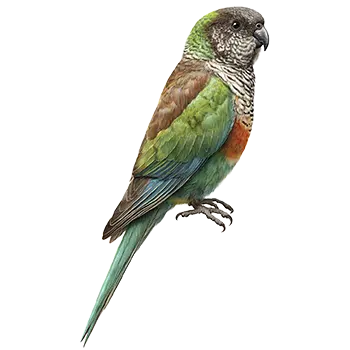
A fully mature Bourke's Parakeet, typically reaching adulthood around one year of age, should be a picture of vibrant health when properly cared for. The adult bird will display its complete plumage coloration, with the soft rosy pink chest, warm brown back and wings, and the subtle blue rump that characterizes the species. Eyes should be bright and clear, the beak smooth and well-shaped, and the feet free of sores or scaling.

Maintaining peak health during the adult years centers on consistency. Bourke's Parakeets thrive on routine, and a stable daily schedule of feeding times, light cycles, and interaction periods supports both physical and psychological well-being. The bird's enclosure should be cleaned on a regular cycle, with daily removal of soiled food and water, weekly scrubbing of perches and cage surfaces, and a thorough deep clean on a monthly basis.

Regular observation is your most powerful health monitoring tool. Spend time each day simply watching your bird's behavior, posture, and activity level. A healthy adult Bourke's Parakeet is alert during the crepuscular hours, feeds regularly, preens its feathers with care, and produces well-formed droppings with distinct fecal and urate components. Any changes in these baseline behaviors can be early indicators of health issues.

Annual wellness examinations with an avian veterinarian are recommended even when the bird appears perfectly healthy. These visits allow the vet to monitor weight trends, check for early signs of illness, and perform any appropriate diagnostic tests. Many avian diseases progress silently in the early stages, and birds are adept at masking symptoms until the condition is advanced. Proactive veterinary care is one of the most effective investments in your bird's long-term health.

Nutrition at Maturity

The dietary needs of an adult Bourke's Parakeet are relatively straightforward but require attention to variety and balance. A high-quality seed mix formulated for small parakeets should form the foundation of the diet, supplemented with a pelleted food to fill nutritional gaps that seed alone cannot provide. Many avian nutritionists recommend that pellets constitute approximately 30 to 50 percent of the total diet for long-term health.

Fresh foods are an essential daily addition. Offer a rotation of leafy greens such as kale, spinach, romaine lettuce, and dandelion greens, along with vegetables like shredded carrot, broccoli florets, sweet potato, and bell pepper. Small amounts of fruit such as apple, pear, berries, and melon can be offered as occasional treats. Remove uneaten fresh food within a few hours to prevent spoilage, particularly in warmer weather.

Calcium supplementation is important throughout the adult years, especially for hens that may produce eggs even without a mate. A cuttlebone and a mineral block should be available in the cage at all times. These natural calcium sources also provide the bird with beak-conditioning activity. Fresh water must be provided daily in a clean dish or bottle, and some keepers offer a second water source to ensure the bird always has access.

Avoid the temptation to over-rely on seed-only diets, which are high in fat and deficient in many essential vitamins and minerals. Fatty liver disease is one of the most common health conditions in captive parakeets and is directly linked to excessive seed consumption and insufficient dietary variety. An adult Bourke's Parakeet eating a balanced diet will maintain a healthy weight, produce glossy feathers, and have the energy levels expected of its species.

Exercise & Fitness

Even as calm and undemanding as Bourke's Parakeets tend to be, regular exercise remains vital for adult birds. Flight is the cornerstone of avian fitness, engaging the cardiovascular system, strengthening the pectoral muscles, and supporting healthy respiratory function. If your bird is flighted, daily supervised out-of-cage time in a secure room provides the most natural and beneficial form of exercise.

For birds that are wing-clipped, which some keepers prefer for safety reasons, exercise opportunities must be provided through other means. Climbing structures, ladders, and ropes within the cage encourage physical activity and help maintain muscle tone. A spacious cage with enough room for the bird to hop and flutter between perches is the bare minimum, though larger flight cages or indoor aviaries are far superior for long-term physical health.

Bourke's Parakeets are most active during the early morning and late evening hours, consistent with their crepuscular nature. Scheduling out-of-cage time during these natural activity peaks results in the most enthusiastic exercise. During the heat of midday, Bourke's Parakeets tend to rest and doze, and forcing activity during these periods goes against their natural rhythms.

Enrichment items that encourage movement are an excellent supplement to direct exercise. Swings, boings, and rope perches that sway and bounce promote balance work and core muscle engagement. Foraging toys that require the bird to climb, reach, or manipulate objects combine physical activity with mental stimulation, keeping the bird both fit and intellectually engaged.

Preventive Health Care

Preventive care during the adult years is focused on maintaining the conditions that keep illness at bay and catching any emerging problems early. In addition to the annual veterinary wellness exam, there are several aspects of daily husbandry that contribute directly to disease prevention.

Air quality is particularly important for birds, whose respiratory systems are far more sensitive than those of mammals. Never use aerosol sprays, scented candles, air fresheners, or nonstick cookware in or near the area where your bird is housed. The fumes from overheated nonstick coatings are acutely toxic to birds and can cause death within minutes. Ensure adequate ventilation without drafts, and avoid exposing the bird to cigarette smoke or household cleaning chemicals.

Parasite prevention is another component of adult health management. While indoor birds are at lower risk than aviary birds, mites and other external parasites can be introduced through new birds, contaminated bedding, or even on the keeper's clothing. Regularly inspect your bird's feathers, skin, and the areas around the eyes and beak for signs of irritation, feather loss, or crusting that might indicate a parasite infestation.

Maintaining proper hygiene in the bird's environment is one of the simplest and most effective forms of preventive care. Food and water dishes should be washed daily with hot water and mild soap, cage papers or tray liners changed regularly, and toys and perches sanitized on a rotating schedule. Bacterial and fungal infections often originate from contaminated food dishes or stagnant water, making cleanliness a frontline defense against illness.

Behavioral Maturity

An adult Bourke's Parakeet is typically a settled, predictable companion whose personality has fully developed. These birds are known for their remarkably even-tempered nature, and most adults display a consistent pattern of quiet contentment interspersed with gentle vocalizations during dawn and dusk. Unlike many parrot species, Bourke's Parakeets rarely develop problematic behaviors such as excessive screaming, biting, or feather plucking when their basic needs for socialization, nutrition, and environmental enrichment are met.

However, behavioral changes can and do occur in response to environmental shifts. Moving the cage to a new location, introducing a new pet or family member, or changes in the household routine can cause temporary stress-related behaviors such as reduced appetite, increased nervousness, or a withdrawal from social interaction. These reactions are usually short-lived and resolve as the bird adjusts to the new circumstances, but persistent changes in behavior should be evaluated by an avian veterinarian to rule out underlying health issues.

Hormonal behavior is a normal aspect of adult life, particularly during the spring breeding season. Both males and females may exhibit increased territoriality around the cage, more frequent vocalizations, and courtship behaviors such as head bobbing, regurgitation on favored objects, or assuming mating postures. For birds not intended for breeding, reducing daylight hours to ten to twelve hours per day, removing any nest-like enclosures, and avoiding warm, enclosed spaces can help moderate hormonal surges.

The bond between an adult Bourke's Parakeet and its keeper can be deeply rewarding. These birds, while not typically as demanding of attention as larger parrots, show their affection through proximity, soft vocalizations directed at their favorite people, and a willingness to be handled and preened. Maintaining a consistent relationship built on trust and gentle interaction ensures that this bond strengthens throughout the bird's adult years.

Feather & Beak Maintenance

Adult Bourke's Parakeets undergo a complete molt once or twice per year, typically in the spring and sometimes again in the autumn. During these periods, the bird sheds old feathers and replaces them with new growth. Molting is nutritionally demanding and can temporarily affect the bird's energy levels and mood. Providing extra protein through egg food or sprouted seeds and ensuring adequate calcium and mineral availability supports healthy feather regeneration.

Regular bathing is an important component of feather care throughout the year, not just during the molt. Offer a shallow bathing dish two to three times per week, or mist the bird lightly with a spray bottle of lukewarm water. Bathing helps maintain the natural oils in the feathers, keeps the skin hydrated, and removes accumulated dust and dander. Most Bourke's Parakeets enjoy bathing and will eagerly splash in a dish when offered.

Beak maintenance in a healthy Bourke's Parakeet is largely self-regulating. The bird naturally conditions its beak by chewing on cuttlebone, mineral blocks, and wooden toys. A well-maintained beak should be smooth, symmetrical, and free of cracks or overgrowth. If you notice the beak becoming overgrown, misaligned, or developing an abnormal texture, this can indicate nutritional deficiencies, liver disease, or other health problems that warrant veterinary attention.

Nail care is another periodic maintenance task. In the wild, birds naturally wear down their nails on rough surfaces, but captive birds may require occasional trimming if the nails become long or sharp enough to snag on fabrics or cage components. If you are uncomfortable trimming nails yourself, your avian veterinarian or an experienced bird groomer can perform this task quickly and safely. Providing rough-textured perches, such as natural branches or concrete conditioning perches, can help slow nail growth between trimmings.

Always consult a qualified professional before making any health-related decisions. This content is provided for informational reference only and should not replace professional guidance specific to your animal.