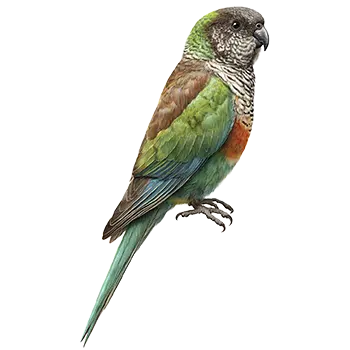

Recognizing that a Bourke's Parakeet is approaching the end of its life is one of the most difficult aspects of bird ownership. Birds are instinctively driven to conceal illness and weakness, a survival trait inherited from their wild ancestors that makes early detection of terminal decline challenging even for experienced keepers. Understanding the subtle signs that distinguish normal aging from a serious, irreversible decline is essential for providing appropriate and timely care.
A bird in its final decline may show a progressive loss of appetite, eventually refusing even its favorite foods. Weight loss becomes pronounced, and the keel bone along the chest becomes prominently palpable as muscle mass diminishes. The feathers may appear unkempt and ragged, as the bird no longer has the energy to preen properly. Droppings may change in color, consistency, or volume, often becoming watery or discolored.
Behavioral changes become more pronounced as the bird weakens. A Bourke's Parakeet that once perched contentedly may begin spending increasing amounts of time on the cage floor, unable to maintain its grip on a perch. The bird may sit in a hunched, fluffed posture with its eyes partially closed, showing little response to stimuli that would normally attract its attention. Breathing may become labored, with visible tail bobbing accompanying each breath.
If your bird is exhibiting these signs, schedule a veterinary consultation as soon as possible. Your avian veterinarian can help determine whether the condition is treatable or whether the decline is irreversible. This assessment is the foundation for the decisions that follow, and having an honest, informed understanding of your bird's prognosis allows you to focus on providing the most compassionate care possible during its remaining time.