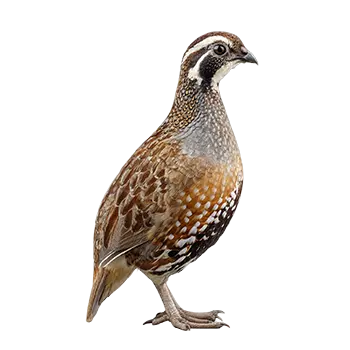

Adult Bobwhite Quail require housing that balances protection from predators and weather with enough space and environmental complexity to support natural behaviors. The species' ground-dwelling nature, explosive flush response, and covey-based social structure all impose specific design requirements that differ substantially from those of domestic poultry. A well-designed enclosure promotes physical health, reduces stress, and allows keepers to manage their birds efficiently.
Flight pens remain the preferred housing type for adult Bobwhites in most management scenarios. A minimum of four square feet per bird is recommended for non-breeding adults, though larger allowances produce calmer, healthier birds with fewer behavioral problems. The pen should be at least six feet tall to accommodate flush flights without ceiling injuries. Many experienced keepers cover the top of the pen with soft nylon netting rather than rigid wire, as Bobwhites that flush vertically in alarm can strike a hard ceiling with enough force to cause fatal skull fractures or neck injuries.
Ground cover within the enclosure is not optional. Adult Bobwhites are psychologically dependent on the ability to conceal themselves, and birds housed in barren pens develop chronic stress behaviors including feather picking, pacing, and excessive alarm calling. Plant native bunch grasses, install brush piles of natural branches, or create artificial cover using burlap panels or wooden lean-tos positioned around the pen. The cover should be distributed so that birds have multiple escape routes and cannot be cornered by dominant individuals. A mix of open feeding areas and dense cover zones replicates the edge habitat mosaic that Bobwhites naturally prefer.
Predator exclusion must be comprehensive and maintained rigorously. Raccoons, opossums, snakes, hawks, owls, feral cats, and even rats pose lethal threats to penned quail. The pen floor should be either a buried hardware cloth apron extending at least 12 inches outward from the pen walls or a solid floor covered with a deep litter substrate. All wire mesh should be half-inch hardware cloth or smaller, as weasels and snakes can penetrate standard chicken wire. Inspect the enclosure perimeter weekly for holes, gaps, or signs of digging, and repair any damage immediately.