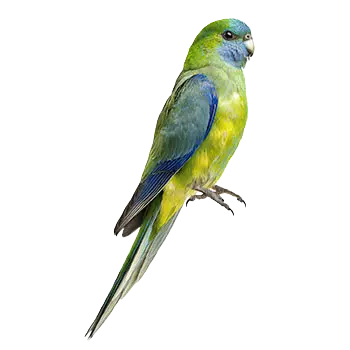

Fledging & First Flights

Blue Winged Parakeet chicks reach the fledging stage at approximately four to five weeks of age, though individual variation means some chicks may take slightly longer to achieve their first sustained flight. Fledging is not a single event but a gradual process that begins with vigorous wing-flapping exercises inside the nest cavity or brooder and progresses through increasingly confident attempts at short, controlled flights. This transition represents one of the most physically demanding and psychologically significant milestones in the young bird's life, and caregivers play a crucial role in ensuring the environment supports safe exploration.

In the days leading up to fledging, the chick will spend increasing amounts of time perched at the entrance of the nest box or at elevated positions within the brooder, peering outward and testing its wings. The breast muscles, which power flight, have been developing through weeks of flapping exercises, and the flight feathers have now grown to functional length. The first flights are typically clumsy and poorly controlled, often ending in crash landings or awkward collisions with walls and furnishings. This is entirely normal and expected. The coordination between wing stroke, tail steering, and visual spatial processing must be learned through practice.

Prepare the fledging environment carefully before the chick makes its first attempts. Remove or cover any hazards in the room, including open water containers, mirrors and windows that the chick might fly into, ceiling fans, and exposed cooking surfaces. Pad hard surfaces near likely landing zones with soft towels. The flight space should be enclosed and free of escape routes to the outdoors. Many experienced breeders use a dedicated fledging room with padded walls and controlled lighting that allows the young bird to practice without risk of injury.

Allow the chick to fledge on its own timeline. Forcing a chick out of the nest before it is developmentally ready can cause physical injury and psychological setbacks, including a lasting fear of flight. Conversely, a chick that seems reluctant to leave the nest well past the expected fledging window may benefit from gentle encouragement, such as placing the nest opening at a slightly higher position to promote wing exercise, or allowing the chick to observe older birds flying. Once fledging occurs, flight skills improve rapidly over the following one to two weeks, with the young bird gaining precision, stamina, and the ability to land accurately on perches of varying diameters.

The Weaning Process

Weaning a juvenile Blue Winged Parakeet requires patience, attentiveness, and a willingness to follow the bird's lead rather than adhering to a rigid timeline. The transition from hand-feeding formula or parental regurgitation to independent consumption of solid foods is both a nutritional and a psychological milestone. Rushed weaning is one of the most common causes of stress, weight loss, and behavioral problems in young psittacines, and it is particularly important to proceed carefully with Psittacula species, which can be more sensitive to change than some of the more commonly kept parrot genera.

Begin introducing solid foods while the chick is still receiving regular formula feedings, typically around four to five weeks of age. Offer a variety of textures and flavors: softened pellets, finely chopped leafy greens, small pieces of fruit such as apple, pear, and pomegranate, and sprouted seeds. Place these items in a shallow dish at a height the chick can access comfortably. The chick will initially mouth, crush, and discard most items. This exploratory behavior is not wasted effort but an essential learning process through which the bird develops the beak coordination and tongue manipulation skills necessary for self-feeding.

As the chick begins consuming measurable amounts of solid food, gradually reduce the volume and frequency of formula feedings. Most Blue Winged Parakeet chicks drop their midday formula feeds first, then the morning feed, with the evening feed being the last to go. The entire weaning process typically spans two to four weeks, with full independence from formula achieved between eight and ten weeks of age. Throughout this transition, daily weigh-ins remain essential. A weight drop of more than ten percent from the chick's peak weight signals that weaning is proceeding too quickly, and formula feeds should be temporarily reinstated.

Provide fresh water in a shallow, stable dish from the moment solid foods are introduced. Many chicks learn to drink by observing older birds, so if possible, house the juvenile within visual range of adult birds during the weaning period. Monitor water intake carefully, as dehydration is a common complication during weaning, particularly in warm environments where evaporative losses from the respiratory tract are elevated. The chick's droppings provide the best daily indicator of hydration status: well-hydrated droppings will include a visible liquid urine component surrounding the formed fecal matter.

Plumage Development & Molt

The juvenile Blue Winged Parakeet undergoes a striking transformation in plumage during the months following fledging, gradually replacing its muted, immature feathering with the distinctive adult colors that make this species so visually appealing. Understanding the normal timeline and appearance of this plumage transition helps caregivers distinguish healthy development from signs of nutritional deficiency or illness that can manifest through feather abnormalities.

Juvenile Blue Winged Parakeets present with a noticeably duller and less defined version of adult plumage. The overall bluish-grey body color appears washed out, and the characteristic blue wing markings are muted. The black neck collar, present in both sexes of adult birds, is either absent or faintly indicated in juveniles. The beak color in young birds of both sexes tends toward a pale horn or dull pinkish tone, lacking the vivid red upper mandible of the adult male or the solid black bill of the adult female. These intermediate characteristics make sex determination difficult in juveniles without DNA testing.

The first major molt typically begins between four and six months of age and proceeds gradually over several months. During this period, feathers are shed and replaced in a symmetrical pattern that maintains the bird's ability to fly throughout the process. The incoming feathers are longer, more richly pigmented, and structurally more robust than the juvenile feathers they replace. Caregivers will notice an increase in feather dust and discarded feathers on the cage floor during active molting. Pinfeathers, the blood-filled sheaths from which new feathers emerge, may cause mild discomfort, and the bird may become slightly more irritable or solicit head scratches to help relieve the itching.

Nutritional support during the molt is critical. Feather production is metabolically expensive, requiring substantial protein, amino acids including methionine and cysteine, and fat-soluble vitamins, particularly vitamin A. Ensure the juvenile's diet includes high-quality pellets, dark leafy greens rich in beta-carotene, and appropriate supplementation if recommended by your avian veterinarian. Inadequate nutrition during the molt can result in stress bars, which appear as horizontal lines of weakness across the feather vane, as well as abnormal coloration, retained feather sheaths, or feathers that grow in misshapen. These defects are permanent until the affected feathers are replaced during the next molt cycle.

Diet & Nutrition for Growing Birds

A juvenile Blue Winged Parakeet's dietary needs differ substantially from those of an adult bird. The adolescent body is simultaneously completing skeletal growth, building flight muscle mass, replacing juvenile feathers, and developing the immune system. These overlapping metabolic demands require a diet that is higher in protein and certain micronutrients than the maintenance diet appropriate for a fully mature bird. Getting the nutritional balance right during this period has lasting consequences for the bird's physical development and disease resistance.

A high-quality extruded or pelleted diet formulated for medium parrots should form the foundation of the juvenile's daily intake, constituting approximately 60 to 70 percent of total food consumed. Pellets provide balanced macronutrient and micronutrient profiles that are difficult to replicate with seed-based diets alone. Supplement the pellet base with a diverse rotation of fresh vegetables and fruits. Dark leafy greens such as kale, Swiss chard, dandelion greens, and mustard greens provide essential calcium, vitamin A precursors, and fiber. Offer orange and red vegetables including sweet potato, carrot, and bell pepper for additional beta-carotene. Fruits should be provided in moderation due to their sugar content, with favorites including pomegranate, apple, and papaya.

Seeds and nuts can be included as a smaller component of the diet, but should not dominate. Wild Blue Winged Parakeets feed on a varied diet that includes seeds, fruits, flowers, leaf buds, and nectar, so a captive diet that mirrors this diversity produces the best health outcomes. Sprouted seeds are an excellent nutritional bridge between dry seed and fresh vegetables, offering higher protein and vitamin content than unsprouted seeds with reduced fat levels. Sunflower and safflower seeds, while eagerly consumed, are high in fat and low in calcium, and should be limited to occasional treats.

Calcium metabolism deserves special attention in growing parakeets. Adequate calcium intake, paired with appropriate vitamin D3 levels, supports proper bone mineralization and prevents metabolic bone disease, a condition that can cause fractures, beak malformation, and seizures in severe cases. If the juvenile does not receive regular exposure to unfiltered natural sunlight or a full-spectrum UVB lamp, a vitamin D3 supplement may be necessary to facilitate calcium absorption. Cuttlebone or mineral blocks should be available at all times as a supplemental calcium source, though they should not be relied upon as the sole calcium provider.

Fresh, clean water must be available continuously and changed at least twice daily. Juveniles are more susceptible to waterborne pathogens than adults, and water dishes should be positioned away from food bowls and perches to minimize contamination from droppings or discarded food. Consider using water bottles designed for birds as an alternative to open dishes if contamination is a persistent issue, though some birds may need to be trained to use bottle-style dispensers.

Behavioral Development & Training

The juvenile period is the most critical window for shaping the behavioral repertoire that a Blue Winged Parakeet will carry into adulthood. Psittacula species are intelligent, observant, and capable of forming complex behavioral patterns, both desirable and undesirable, based on their experiences during adolescence. A consistent, patient, and positively reinforced training approach during this stage produces a companion bird that is confident, cooperative, and well-adjusted.

Begin with fundamental handling skills as soon as the bird is comfortable outside the nest or brooder. Step-up training, teaching the bird to step onto a hand or perch on verbal cue, is the foundational behavior from which all other training extends. Use a calm, consistent verbal cue paired with gentle pressure against the bird's lower chest to encourage stepping up. Reward successful responses immediately with a small, high-value treat and verbal praise. Keep training sessions short, no more than five to ten minutes, and end each session on a positive note. Multiple short sessions throughout the day are far more effective than a single extended session.

Adolescent Blue Winged Parakeets will test boundaries as they develop independence, much like teenagers in mammalian species. Biting, screaming for attention, and food refusal are common adolescent behaviors that are best addressed through consistent redirection rather than punishment. Punitive responses, including yelling, squirting water, or shaking the cage, are counterproductive with psittacines and damage the trust relationship that forms the basis of all cooperative behavior. When the bird engages in an undesirable behavior, calmly remove your attention by turning away or placing the bird back in its cage for a brief period, then re-engage when the bird is calm.

Socialization should expand during the juvenile phase to include a wider circle of people, novel objects, new sounds, and varied environments. Introduce the bird to different rooms of the house, safe outdoor experiences in a travel carrier or harness, and gentle interaction with household members beyond the primary caregiver. A bird that is socialized only to one person during this critical period may develop an exclusive bond that manifests as aggression toward other family members, a problem that becomes increasingly difficult to address as the bird matures. The goal is a bird that is confident and comfortable in a variety of contexts, not one that is dependent on a single individual for emotional security.

Housing & Environment

As a juvenile Blue Winged Parakeet transitions from the brooder or nest box to independent living, the quality and configuration of its housing environment become increasingly important. This species is active, agile, and requires substantial space for flight exercise to develop and maintain proper muscle tone and cardiovascular health. Inadequate housing during the juvenile period can lead to obesity, muscular atrophy, feather-destructive behavior, and chronic stress, all of which are far more difficult to correct once they become established patterns.

The cage for a juvenile Blue Winged Parakeet should be as large as space and budget allow, with an absolute minimum interior dimension of 36 inches long, 24 inches wide, and 36 inches tall. However, given that this species measures 35 to 40 centimeters in length including the tail, a longer flight cage or a small indoor aviary is strongly preferred. Bar spacing should be no wider than half an inch to three-quarters of an inch to prevent the bird from trapping its head between bars. Horizontal bar orientation on at least two sides of the cage facilitates climbing, an activity that juvenile parakeets engage in frequently as they develop coordination.

Perches should be provided in a variety of diameters and materials. Natural hardwood branches of varying thickness exercise the foot muscles and help maintain proper nail wear. Avoid placing perches directly above food and water dishes to prevent contamination. Position at least two perches at different heights and distances to encourage short flights within the cage. Rope perches and textured perches offer additional variety but should be inspected regularly for fraying that could entangle toes. Replace any perch that becomes excessively soiled or worn.

Environmental enrichment is not optional for this intelligent species. Rotate a selection of foraging toys, puzzle feeders, shreddable materials, and chewing objects through the cage on a regular schedule to prevent habituation and boredom. Blue Winged Parakeets are enthusiastic chewers and should be provided with safe wood blocks, woven palm leaf toys, and untreated willow or apple branches to satisfy this instinct. Foraging opportunities, such as food hidden in crumpled paper or placed inside foraging wheels, stimulate natural problem-solving behavior and reduce the risk of developing stereotypic behaviors such as feather plucking or repetitive pacing.

Out-of-cage time is essential for physical and psychological well-being. Supervised free-flight time in a bird-safe room allows the juvenile to exercise its developing flight muscles, explore its environment, and interact with family members in a more natural context. Establish a consistent daily schedule for out-of-cage time, as parakeets thrive on routine and predictability. Ensure the flight room is free of hazards including open windows and doors, exposed electrical cords, toxic houseplants, and other pets that could harm the bird.

Veterinary Care During Adolescence

The juvenile period is a time of significant immunological development for the Blue Winged Parakeet, and regular veterinary monitoring ensures that the bird transitions into adulthood in optimal health. While the intense monitoring schedule of the neonatal period can be relaxed somewhat, adolescent parakeets should still receive structured veterinary care that includes wellness examinations, disease screening, and dietary assessment at regular intervals.

Schedule a comprehensive wellness examination at approximately three months of age, then again at six months, and annually thereafter. These visits should include a complete physical examination with body condition scoring, assessment of feather quality and molt progression, evaluation of beak and nail condition, and palpation of the keel bone to assess muscle mass relative to body frame. Blood work at the six-month visit provides a valuable baseline for the bird's hematological and biochemical parameters, creating a reference point against which future values can be compared if illness occurs later in life.

Disease screening during the juvenile period should address the major psittacine pathogens relevant to Psittacula species. Psittacine Beak and Feather Disease is of particular concern in young birds, as the virus preferentially targets rapidly growing feather follicles and immune cells. Polyomavirus screening is also advisable, especially for birds that have had any contact with other parrots or that were acquired from multi-species aviaries. Chlamydiosis testing is recommended at least once during the juvenile period, as this zoonotic pathogen can persist subclinically for extended periods before producing obvious symptoms.

The adolescent period is also the appropriate time to discuss wing clipping with your avian veterinarian if this is something you are considering. Opinions on wing clipping vary among aviculturists and avian professionals, and there are valid arguments on both sides. A full-flighted bird maintains better cardiovascular fitness, muscle tone, and psychological confidence, but requires a rigorously bird-proofed environment and vigilant supervision to prevent escape or injury. A clipped bird is easier to manage in certain household situations but may develop behavioral issues related to reduced mobility and a sense of vulnerability. If you choose to clip, have it done by an experienced avian veterinarian or groomer who understands the appropriate feathers to trim and the number to remove for a controlled descent rather than a complete loss of flight.

Always consult a qualified professional before making any health-related decisions. This content is provided for informational reference only and should not replace professional guidance specific to your animal.