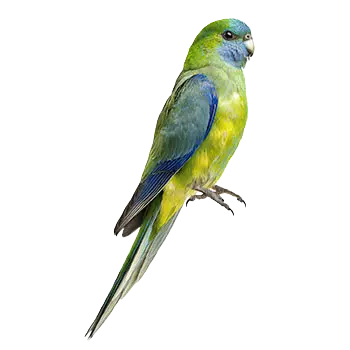

Recognizing Terminal Decline

Recognizing when a Blue Winged Parakeet has entered the final phase of its life is one of the most emotionally challenging responsibilities a caregiver faces. Parrots are masters of concealing illness and weakness, an evolutionary adaptation that protected wild birds from predator attention but that in a captive setting can delay recognition of terminal decline until the bird is profoundly compromised. Understanding the signs that distinguish treatable illness from irreversible decline helps caregivers make timely, informed decisions about the level and type of care their bird needs.

Terminal decline may follow a prolonged battle with a diagnosed chronic condition such as liver disease, renal failure, cardiovascular disease, or cancer, or it may appear seemingly suddenly when an age-related organ system fails without prior clinical warning. In either scenario, certain signs indicate that the body's compensatory mechanisms have been exhausted. Persistent weight loss despite adequate food availability, progressive weakness evident in the bird's inability to maintain its grip on a perch or hold itself upright, and a dramatic reduction in vocalization and social engagement are among the most common indicators.

Changes in the bird's posture and resting behavior often signal advanced decline. A bird that begins sitting on the cage floor rather than perching, that tucks its head under its wing during daylight hours, or that remains fluffed and motionless for extended periods is demonstrating a level of debilitation that warrants serious concern. Labored breathing, characterized by tail bobbing synchronized with respiration and open-mouth breathing at rest, indicates severe respiratory compromise or systemic oxygen deprivation. Changes in droppings, including a dramatic decrease in volume, persistent dark or tarry coloration of the fecal component, or the complete absence of formed feces, reflect organ failure.

Consult your avian veterinarian promptly when these signs appear. A veterinary assessment can help determine whether the bird's condition is potentially reversible with treatment or whether the decline has reached a point where palliative comfort care is the most appropriate path forward. This consultation is not about giving up on the bird but about gathering the information needed to make compassionate, well-informed decisions about the care the bird receives during its remaining time.

Palliative & Comfort Care

When curative treatment is no longer possible or appropriate, the focus of care shifts entirely to maintaining the bird's comfort, minimizing distress, and preserving whatever quality of life remains. Palliative care for a dying Blue Winged Parakeet is an act of profound compassion that honors the years of companionship the bird has provided. The principles guiding this care are straightforward: manage pain, support basic physiological needs, reduce environmental stressors, and maintain the emotional bond that has sustained both bird and caregiver.

Pain management is the single most important component of palliative care. Work closely with your avian veterinarian to identify appropriate analgesic medications and dosing schedules. Nonsteroidal anti-inflammatory drugs, opioid-based pain relievers, and in some cases gabapentin for neuropathic pain can substantially improve the comfort of a bird in terminal decline. Administer medications consistently and on schedule, and monitor the bird's response to assess whether the current pain management protocol is adequate. Signs that pain is not adequately controlled include persistent fluffing, reluctance to move, aggression when handled, and refusal to eat.

Environmental modifications create a supportive physical space that accommodates the bird's diminished capabilities. Move the bird to a smaller, warm, quiet enclosure at a low height to prevent injury from falls. Replace elevated perches with low, padded platforms that the bird can access without climbing or flying. Provide supplemental warmth using a thermostatically controlled ceramic heat emitter or a heated pad designed for avian use, maintaining an ambient temperature slightly warmer than the bird's usual preference. Dim the lighting to reduce visual stress and promote rest, while maintaining enough light for the bird to locate food and water.

Nutritional support during palliative care focuses on caloric density and ease of consumption rather than long-term dietary balance. Offer the bird its favorite foods without restriction, including treats that might have been limited during healthier times. Soften pellets in warm water or low-sodium broth to make them easier to consume. Provide formula from a spoon or syringe if the bird is willing to accept assisted feeding, but do not force-feed a bird that clearly refuses, as this causes distress that outweighs any nutritional benefit. Dehydration can be addressed with subcutaneous fluids administered by your veterinarian, which can provide significant comfort in the bird's final days.

Maintain the emotional bond that has defined your relationship with the bird throughout its life. Spend time beside the bird, speaking in the calm, familiar tones it has heard for years. Gentle touch, if the bird welcomes it, provides comfort and reassurance. The presence of a trusted caregiver is itself a form of medicine for a social species like the Blue Winged Parakeet, and your continued engagement tells the bird that it is not alone.

Making the Euthanasia Decision

The decision to euthanize a beloved Blue Winged Parakeet is among the most difficult choices a caregiver will ever face. It is a decision that should be made thoughtfully, in consultation with an avian veterinarian who understands both the bird's medical condition and the emotional weight of the choice, and it should be guided by an honest assessment of the bird's quality of life rather than the caregiver's understandable desire to postpone loss.

Quality of life assessment provides a framework for evaluating whether the bird's daily experience still contains more comfort than suffering. Consider whether the bird can still perform the basic functions that constitute a meaningful life for a parrot: eating and drinking without excessive difficulty, resting comfortably, maintaining basic hygiene, and engaging with its environment and caregiver in some recognizable way. When pain, exhaustion, or organ failure has eroded these capacities to the point where the bird's waking hours are dominated by distress, euthanasia becomes an act of mercy rather than surrender.

Discuss the decision openly with your avian veterinarian, who can provide a clinical perspective on the bird's prognosis, the likely trajectory of its condition, and the anticipated timeline of decline. Ask direct questions about whether the bird is in pain, whether that pain can be adequately managed, and what the remaining days or weeks are likely to look like. A veterinarian experienced in end-of-life care will provide candid answers that help you calibrate your decision against realistic expectations rather than hope alone.

If other family members are involved in the bird's care, include them in the conversation to the extent that is appropriate. Children, in particular, may need age-appropriate explanations of the bird's condition and the rationale behind the decision. Acknowledge that there is no single right moment for euthanasia and that reasonable people may disagree about timing. What matters is that the decision is made from a place of love and with the bird's welfare as the central consideration. Choosing euthanasia a day too early, while the bird still has some comfort, is widely considered more compassionate than waiting a day too late and allowing unnecessary suffering.

The Euthanasia Process

Understanding what happens during the euthanasia procedure can reduce anxiety for caregivers and help them make practical decisions about whether to be present and how to prepare for the experience. Avian euthanasia, when performed by a skilled practitioner, is rapid, humane, and designed to minimize any distress to the bird.

The standard method of euthanasia in companion birds involves the administration of an overdose of a barbiturate anesthetic, typically pentobarbital, delivered by injection. In many cases, the avian veterinarian will first administer a sedative or anesthetic agent, either by injection or via inhalant anesthesia using isoflurane gas, to render the bird unconscious before the euthanasia agent is given. This two-step approach ensures that the bird is fully unaware and unable to experience any discomfort during the procedure. The euthanasia agent stops cardiac function within seconds of administration, and death follows peacefully.

Caregivers have the option to be present during the procedure, and there is no right or wrong choice. Some people find comfort in being with their bird in its final moments, providing the familiar sound of their voice and the warmth of their presence as the bird passes. Others find the experience too distressing and prefer to say their goodbyes beforehand, trusting the veterinary team to ensure the bird's comfort in their absence. Both choices are valid, and a compassionate veterinary practice will support whatever decision the caregiver makes without judgment.

After the bird has passed, the veterinarian will confirm death through the absence of heartbeat and respiratory activity. The caregiver will have the opportunity to spend a few final moments with the bird if they wish. Discuss aftercare preferences with the veterinary clinic in advance. Options typically include communal cremation, private cremation with return of ashes, and in some areas, home burial on the caregiver's property where local regulations permit. Some caregivers choose to preserve a small token, such as a tail feather, as a physical remembrance of their companion.

Grief & Emotional Recovery

The death of a Blue Winged Parakeet that has shared your home for years or even decades leaves a void that non-bird-owners may struggle to understand. The grief that follows the loss of an avian companion is real, valid, and can be as intense as grief experienced after the loss of any deeply bonded relationship. Acknowledging this grief rather than minimizing it is the first step toward healthy processing.

The bond between a parrot and its caregiver is unique in the companion animal world. Parrots are intelligent, responsive, and capable of forming attachments that include mutual recognition, shared routines, and genuine interactive communication. A Blue Winged Parakeet that has been part of a household for 15 or 20 years has been present through major life events, has developed a personality that is as distinctive and familiar as any family member's, and has woven itself into the daily rhythms of the home in ways that become painfully apparent in its absence. The empty cage, the silence at dawn and dusk, and the absence of the bird's greeting when you enter the room are tangible reminders of a loss that deserves to be mourned fully.

Grief following pet loss follows no prescribed timeline and may include feelings of sadness, guilt, anger, relief, and emptiness, sometimes cycling through these emotions multiple times. Guilt is particularly common among caregivers who made end-of-life decisions, as the mind inevitably replays the decision and questions whether it was made at the right time. Remind yourself that the decision was made with the bird's best interests at heart, informed by veterinary guidance, and motivated by compassion. Second-guessing is a normal part of the grieving process, not evidence that you made the wrong choice.

Seek support from people who understand the significance of your loss. Other bird owners, online aviculture communities, and pet loss support groups provide spaces where grief over an animal companion is taken seriously. Some veterinary practices offer grief counseling resources or can refer you to professionals who specialize in pet bereavement. If your grief feels overwhelming, interferes with daily functioning for an extended period, or triggers symptoms of depression, seeking professional support is a sign of self-awareness and strength, not weakness.

If other birds remain in the household, be attentive to their response to the loss of a flock mate. Parrots are socially aware animals that notice when a companion is absent. Surviving birds may exhibit behavioral changes including increased vocalization, reduced appetite, restlessness, or withdrawal. Provide extra social attention and maintain consistent routines to help surviving birds adjust. In most cases, behavioral changes in response to a companion's absence resolve within a few weeks as new patterns are established.

Memorializing Your Companion

Creating a meaningful memorial for a Blue Winged Parakeet that has been a cherished part of your life provides a tangible way to honor the bond you shared and to mark the significance of the bird's presence in your world. The form a memorial takes is deeply personal and should reflect what feels right and meaningful to you, whether that is a simple, private gesture or a more elaborate tribute.

Physical memorials can take many forms. A small garden planting, whether a flowering shrub, a tree, or a bed of the bird's favorite foraging herbs, creates a living tribute that grows and changes with the seasons. If you received the bird's cremated remains, they can be placed in a decorative urn, scattered in a meaningful location, or incorporated into memorial jewelry or glass art created by artisans who specialize in pet remembrance. A framed photograph of the bird, displayed alongside other family photos, affirms the bird's place as a valued member of the household.

Some caregivers find comfort in creating written tributes. A journal entry, a letter to the bird, or a written narrative of the bird's life and personality captures memories that might otherwise fade with time. Include the small details that made your bird unique: its favorite foods, its particular vocalizations, its morning greeting ritual, the way it reacted to specific songs or household sounds. These details are the texture of a shared life, and recording them preserves something that no photograph can fully capture.

Contributing to a cause that supports avian welfare is a meaningful way to channel grief into positive action. Donations to avian rescue organizations, parrot conservation programs focused on the Western Ghats ecosystem, or avian veterinary research foundations allow the bird's legacy to extend beyond its own life by supporting the welfare of other birds. Some caregivers establish annual donations on the bird's hatch date or adoption anniversary, creating a tradition that keeps the bird's memory actively present in their lives.

When the time feels right, and only when it feels right, you may consider welcoming another bird into your life. There is no disrespect to a deceased companion in opening your heart to a new one. The skills, knowledge, and capacity for avian companionship that you developed over years of caring for your Blue Winged Parakeet are gifts that another bird can benefit from. The new bird will not replace the one you lost but will bring its own unique personality and its own chapter of companionship into your life. Allow the decision to come naturally, without pressure from external timelines or well-meaning suggestions from others who may not understand the depth of the bond you are grieving.

Always consult a qualified professional before making any health-related decisions. This content is provided for informational reference only and should not replace professional guidance specific to your animal.