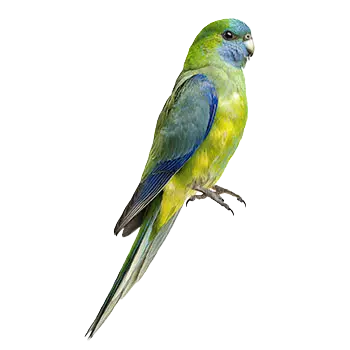

Blue Winged Parakeet chicks hatch after an incubation period of approximately 23 days, emerging in a profoundly undeveloped state. The hatchlings are altricial, meaning they are blind, nearly naked, and completely dependent on parental care or a skilled hand-feeder for survival. A newly hatched chick weighs roughly 4 to 6 grams and is covered only in sparse, pale down that provides virtually no insulation. The fragility of these first hours cannot be overstated, and the decisions made during this window establish the trajectory for the chick's entire developmental arc.
In parent-raised clutches, the hen begins feeding within the first several hours after the chick emerges from the shell. The initial feedings consist of crop secretions rich in essential proteins, fats, and beneficial microorganisms that begin colonizing the chick's sterile digestive tract. The male typically assists by bringing food to the nest cavity, which the hen then processes and delivers to the chick. This cooperative dynamic is characteristic of Psittacula species and plays a critical role in ensuring chicks receive consistent nourishment during the vulnerable post-hatch period.
For hand-raised chicks, the first feeding should not be attempted until the yolk sac has been fully absorbed, which generally takes between eight and twelve hours after hatching. Premature feeding before yolk sac absorption can lead to serious gastrointestinal complications, including bacterial infection at the navel site and impaired nutrient processing. Offer the first feed using a very small syringe with a soft tip, providing a diluted hand-feeding formula at a temperature between 104 and 108 degrees Fahrenheit. The volume should be minimal, just enough to begin stimulating the crop and establishing the feeding reflex.
Monitor the chick continuously during these first 24 hours. A healthy newborn will exhibit a feeding response when the beak area is gently touched, display pinkish skin coloration, and produce small but visible droppings within the first half-day. Any signs of discoloration toward a grayish or bluish tone, labored breathing, or failure to respond to feeding stimulation should prompt an immediate consultation with an avian veterinarian experienced in psittacine neonatal care.