
Understanding Adult Maturity

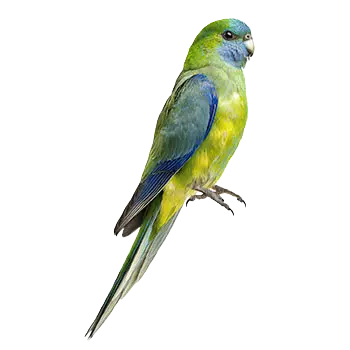
The Blue Winged Parakeet reaches full physical and sexual maturity between 18 and 24 months of age, marking the transition from adolescence into the adult phase that constitutes the longest portion of the bird's life. By this stage, the plumage has fully developed into the characteristic bluish-grey body coloration with the striking blue wing feathers and yellow-tipped tail that define the species. Sexual dimorphism becomes clearly apparent in adults, with males displaying a vivid red upper mandible tipped in white or yellow and a bluish-green band beneath the black neck collar, while females possess an entirely black bill with only the black collar.

Adult Blue Winged Parakeets typically weigh between 70 and 120 grams and measure 35 to 40 centimeters from head to tail tip, with the elongated central tail feathers accounting for a significant portion of total length. Establishing a baseline weight for your individual bird is important because weight fluctuations are among the earliest indicators of health changes in parrots. Weigh your bird weekly at the same time of day, ideally in the morning before the first meal, and record the measurements so that gradual trends become apparent before they reach clinically significant levels.

Behaviorally, the adult Blue Winged Parakeet settles into a more predictable temperament than the sometimes volatile adolescent. The bird's personality, shaped by genetics, early socialization, and ongoing interactions, becomes more stable and defined. Adults of this species tend to be active, alert, and moderately vocal, producing a range of screeching contact calls, softer conversational sounds, and occasional mimicry of household noises. While this species was once marketed in the pet trade with an exaggerated reputation for talking ability, individual capacity for speech varies widely and should not be a primary expectation.

The adult years are the period during which the bond between bird and caregiver deepens most significantly. Blue Winged Parakeets are capable of forming strong pair bonds in the wild, and this capacity extends to their relationships with human companions. Consistency, patience, and respectful interaction form the foundation of a trust-based relationship. An adult bird that was well-socialized during its juvenile period will generally be comfortable with handling, responsive to verbal cues, and engaged in household activities, though the species retains a naturally cautious disposition that distinguishes it from more overtly affectionate parrot species.

Adult Diet & Nutritional Management

The dietary needs of an adult Blue Winged Parakeet shift from the growth-oriented nutrition of the juvenile period to a maintenance-focused regime that supports long-term organ health, immune function, feather condition, and appropriate body composition. Obesity is one of the most prevalent health problems in captive parrots, and it is far easier to prevent through proper dietary management than to reverse once established. The adult diet should provide complete nutrition while respecting the caloric limits of a bird that typically expends less energy than its wild counterparts.

A high-quality formulated pellet diet should constitute approximately 60 to 70 percent of daily food intake. Pellets provide a balanced nutritional foundation that eliminates the selective feeding behavior common with seed-based diets, where birds pick out preferred high-fat seeds and leave the more nutritious components untouched. Choose a pellet formulated for medium-sized parrots and avoid products with artificial colors, flavors, or excessive sugar content. The remaining 30 to 40 percent of the diet should consist of fresh vegetables, leafy greens, a moderate amount of fruit, and a small proportion of seeds and nuts.

Wild Blue Winged Parakeets inhabit the evergreen and moist deciduous forests of the Western Ghats, where they feed on a seasonally variable diet of seeds, fruits, flowers, leaf buds, nectar, and occasionally the leaves of parasitic plants. Replicating this diversity in captivity promotes both nutritional completeness and behavioral engagement. Offer a daily rotation of fresh foods including dark leafy greens such as kale, collard greens, and dandelion leaves, orange and red vegetables like sweet potato and red bell pepper, and safe fruits including pomegranate, guava, apple, and papaya. Introduce new foods regularly, even if the bird initially refuses them, as repeated exposure over weeks often leads to acceptance.

Foods to avoid entirely include avocado, chocolate, caffeine, alcohol, onion, garlic, and any food containing excessive salt or sugar. Raw beans contain hemagglutinin, which is toxic to birds, and should only be offered after thorough cooking. Fruit seeds and pits from stone fruits contain cyanogenic compounds and must be removed before serving. Ensure all fresh foods are washed thoroughly to remove pesticide residues, and remove uneaten fresh food from the cage within a few hours to prevent bacterial growth, particularly in warm environments.

Exercise & Flight

Adequate physical exercise is a non-negotiable component of adult Blue Winged Parakeet care. In the wild, this species spends significant portions of each day in active flight, commuting between roosting sites and foraging areas across the forested hillsides of the Western Ghats. The cardiovascular system, respiratory apparatus, and musculoskeletal structure of the parakeet are designed for sustained aerial activity, and captive birds that are denied sufficient flight opportunities suffer predictable consequences including obesity, muscle atrophy, cardiovascular disease, and behavioral deterioration.

Daily out-of-cage flight time should be provided in a bird-safe room for a minimum of two to three hours, though longer periods are beneficial. The flight space must be thoroughly bird-proofed before each session, with windows and mirrors covered or flagged with decals to prevent collisions, ceiling fans turned off, doors and windows secured, and other household pets removed. Toxic houseplants, open water containers, and exposed cooking surfaces are all hazards that must be addressed before the bird is released. Supervise free-flight time actively rather than relying on a passive scan of the room.

In-cage exercise can supplement but never replace free-flight time. Position perches at varying heights and distances to encourage short flights and climbing within the cage. Swings, ladders, and rope perches add variety to the bird's movement repertoire. Foraging toys that require the bird to manipulate, pull, or disassemble components to access food provide both physical and cognitive exercise simultaneously. Rotate enrichment items regularly to maintain novelty and prevent the bird from losing interest.

Monitor your bird's body condition as a gauge of exercise adequacy. Palpate the keel bone, the prominent breastbone that runs along the bird's chest, during regular handling sessions. In a bird of healthy weight, the keel should be palpable but not sharply prominent, with a layer of muscle on either side. A bird with a sharply protruding keel is underweight, while a bird whose keel is difficult to feel beneath soft tissue is carrying excess fat. Adjust diet and exercise accordingly, and consult your avian veterinarian if you are uncertain about your bird's body condition score.

Behavioral Enrichment & Mental Health

The intelligence and curiosity of the Blue Winged Parakeet demand an environment that challenges the mind as well as the body. Captive parrots that lack adequate cognitive stimulation develop a predictable suite of behavioral problems including feather-destructive behavior, excessive screaming, stereotypic repetitive movements, and aggression. These problems are not signs of a difficult bird but rather symptoms of an environment that fails to meet the animal's psychological needs. Prevention through consistent enrichment is far more effective than attempting to correct entrenched behavioral pathologies after they have developed.

Foraging enrichment replicates the experience of searching for food in a complex natural environment, an activity that occupies a substantial portion of a wild parrot's daily time budget. Instead of presenting all food in a single dish, distribute portions across multiple foraging stations within the cage. Wrap food items in paper, tuck them inside cardboard tubes, or place them inside commercially available puzzle feeders that require the bird to solve a mechanical challenge to access the reward. Start with simple foraging challenges and increase difficulty gradually as the bird develops proficiency.

Social enrichment is equally important for this naturally gregarious species. In the wild, Blue Winged Parakeets live in small flocks and maintain close social bonds with mates and flock members. A captive bird housed alone relies on its human flock for social interaction, and caregivers must actively engage with the bird through conversation, gentle play, and training sessions throughout the day. Interactive training using positive reinforcement is one of the most effective forms of enrichment because it simultaneously provides social contact, cognitive challenge, and a sense of agency that promotes psychological well-being.

Auditory and visual enrichment round out a comprehensive enrichment program. Background music, nature recordings, and the ambient sounds of a busy household provide a changing sensory landscape that prevents the monotony of a silent room. A window view, provided the bird's cage is positioned so it can retreat from visual exposure when desired, offers ever-changing visual stimulation. However, be cautious about window placement relative to wild bird feeders or areas frequented by predators such as hawks or cats, as these can trigger chronic stress responses in a captive bird that cannot escape.

Destruction-based enrichment satisfies the natural chewing instinct that is hardwired into all parrot species. Provide a steady supply of safe, destructible materials including untreated softwood blocks, woven palm leaves, vegetable-tanned leather strips, and fresh non-toxic branches with bark intact. The act of shredding, splintering, and dismantling these items is inherently rewarding for the bird and serves as both a stress outlet and a beak-conditioning activity.

Annual Health Maintenance

Proactive veterinary care is the cornerstone of health management for the adult Blue Winged Parakeet. Parrots are adept at masking signs of illness, a survival strategy inherited from wild ancestors for whom visible weakness attracted predators. By the time a captive parrot shows obvious symptoms of disease, the condition may be significantly advanced. Annual wellness examinations allow an avian veterinarian to detect subtle changes that escape even the most attentive home observation.

The annual examination should include a thorough physical assessment covering body condition, feather quality, beak and nail condition, palpation of the abdomen for organ enlargement, and auscultation of the heart and air sacs. Blood work at each annual visit provides trending data on liver function, kidney values, calcium and phosphorus balance, blood glucose, cholesterol, and white blood cell counts. Establishing what is normal for your individual bird makes it possible to identify early deviations that might fall within the general reference range for the species but represent a significant change for that particular animal.

Fecal analysis should be performed at least annually, more frequently if the bird has outdoor exposure or contact with other birds. Screen for intestinal parasites, abnormal bacterial flora, and yeast overgrowth. Chlamydiosis screening remains relevant for adult birds, particularly those housed in multi-bird environments or those that attend bird shows, boarding facilities, or veterinary clinics where exposure to other psittacines occurs. Psittacine Beak and Feather Disease surveillance is also advisable, even in previously tested birds, if new avian contacts have been introduced.

Between annual examinations, the caregiver serves as the bird's primary health monitor. Establish a weekly routine that includes weighing the bird, visually inspecting feather condition and symmetry, checking the nares and eyes for discharge, and observing the color and consistency of droppings. Monthly assessments should add beak and nail evaluation, palpation of the keel bone for body condition changes, and a careful look at the vent area and feet for swelling, lesions, or pressure sores. Document any findings that deviate from the bird's established baseline and report them at the next veterinary visit or sooner if they suggest an acute concern.

Seasonal Rhythms & Hormonal Cycles

Adult Blue Winged Parakeets retain seasonal behavioral patterns that reflect the species' wild origins in the monsoon-influenced forests of the Western Ghats. Even in captive settings far removed from their native range, hormonal cycles driven by photoperiod changes and environmental cues produce predictable shifts in behavior, vocalization, and physical condition throughout the year. Understanding these rhythms allows caregivers to anticipate and manage seasonal changes rather than being caught off guard by sudden behavioral shifts.

The breeding season for wild Blue Winged Parakeets typically spans from December through March, coinciding with the dry season following the northeast monsoon. In captivity, increasing day length, warmer temperatures, and the availability of nutrient-rich foods can trigger hormonal surges that manifest as territorial behavior, increased vocalization, regurgitation directed at the caregiver or a favorite object, nest-seeking behavior such as exploring dark enclosed spaces, and heightened aggression. Female birds may begin laying eggs even in the absence of a mate, a situation that carries health risks including egg binding and calcium depletion.

Managing hormonal behavior in a pet Blue Winged Parakeet involves manipulating the environmental cues that stimulate reproductive readiness. Maintain a consistent photoperiod of 10 to 12 hours of light followed by 12 to 14 hours of uninterrupted darkness. Avoid providing dark, enclosed spaces that mimic nest cavities, such as happy huts, covered food bowls, or access to cabinet interiors. Limit foods that are high in fat and simple sugars, as caloric abundance signals reproductive conditions to the bird's endocrine system. Avoid petting the bird along the back, wings, or tail, as this type of contact stimulates hormonal responses in parrots.

The annual molt is another seasonally influenced event that typically follows the breeding season. During the molt, the bird may appear slightly disheveled, be less active than usual, and show increased appetite as the metabolically demanding process of feather replacement proceeds. Support the bird through the molt with optimal nutrition, particularly adequate protein and vitamin A, and be patient with any temporary changes in temperament. Some birds become mildly irritable during heavy molting as new pinfeathers cause discomfort. Gentle head scratches to help loosen feather sheaths are often appreciated and can strengthen the bond between bird and caregiver during this period.

Common Adult Health Concerns

While the Blue Winged Parakeet is generally a hardy species when kept under proper conditions, adult birds are susceptible to a range of health issues that caregivers should be prepared to recognize. Familiarity with the most common conditions affecting adult Psittacula parakeets enables early intervention, which significantly improves treatment outcomes in a taxonomic group where delayed diagnosis often leads to poor prognosis.

Respiratory infections represent one of the most frequently encountered health problems in captive parakeets. Aspergillosis, a fungal infection caused by Aspergillus species, thrives in warm, humid environments with poor ventilation and can establish itself in the air sacs and respiratory passages of immunocompromised birds. Symptoms include labored breathing, tail bobbing, reduced exercise tolerance, nasal discharge, and voice changes. Bacterial respiratory infections, often secondary to environmental stressors or underlying viral disease, present with similar symptoms and may require culture and sensitivity testing to identify the causative organism and select the appropriate antibiotic.

Hepatic disease, encompassing fatty liver disease and liver inflammation from various causes, is disproportionately common in captive parrots maintained on seed-heavy diets. The high fat content of many commercial seed mixes, particularly those heavy in sunflower seeds, promotes hepatic lipidosis over time. Clinical signs include changes in beak color or quality, overgrown or flaky beaks, reduced appetite, lethargy, and characteristic changes in droppings including bright green or yellow discoloration of the urate fraction. Blood chemistry panels that include bile acid levels and liver enzymes are diagnostic, and treatment typically involves dietary correction alongside medical management.

Psittacine Beak and Feather Disease remains a concern throughout the bird's life, as the circovirus that causes this condition can be contracted at any age through contact with infected birds, contaminated surfaces, or aerosolized feather dust. The chronic form in adult birds may manifest as progressive feather dystrophy with each successive molt, feather loss, beak abnormalities, and gradual immunosuppression that leaves the bird vulnerable to secondary infections. There is no cure for PBFD, and management focuses on supportive care, nutritional optimization, and isolation from other psittacines to prevent transmission.

Feather-destructive behavior, while primarily a behavioral condition, can also indicate underlying medical problems including skin infections, allergies, hormonal imbalances, heavy metal toxicity, and internal parasites. Any bird that begins plucking, barbering, or chewing its feathers should receive a thorough veterinary examination to rule out medical causes before behavioral modification strategies are pursued. The distinction between medical and behavioral feather destruction is critical because treating one without addressing the other typically fails to resolve the problem.

Always consult a qualified professional before making any health-related decisions. This content is provided for informational reference only and should not replace professional guidance specific to your animal.