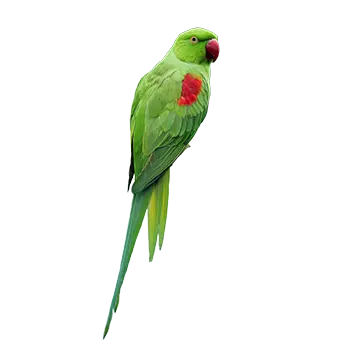

Determining exactly when an Alexandrine Parakeet enters its senior years is not as straightforward as checking a calendar. With a typical lifespan of 25 to 30 years in captivity, and some individuals living beyond that with excellent care, the senior stage generally begins around 18 to 22 years of age. However, the onset of aging varies considerably based on genetics, lifelong diet and care quality, disease history, and overall environmental conditions. Some birds show signs of aging earlier, while others remain remarkably vigorous well into their twenties.
The transition into the senior stage is usually gradual rather than sudden. You may notice your Alexandrine becoming slightly less active, sleeping a bit more during the day, or showing less enthusiasm for vigorous play. These subtle changes can be easy to overlook if they develop slowly over months or years. Paying close attention to shifts in energy levels, appetite, and behavior helps you identify the transition and adjust care accordingly.
Physical signs of aging may include a gradual dulling of feather color, slower feather regrowth after molting, slight changes in beak or nail growth patterns, and reduced muscle tone. The bird's skin may become thinner and more delicate, and you may notice subtle changes in the eyes such as slight cloudiness. None of these changes necessarily indicate disease, but they do signal that the bird's body is working less efficiently than it once did and that increased veterinary monitoring is warranted.
Accepting and adapting to your bird's aging is an important part of responsible ownership. A senior Alexandrine is no less deserving of engagement, enrichment, and affection than a younger bird. The nature of your interactions may need to evolve, with gentler handling, lower-impact activities, and more restful periods, but the bond you share can deepen during this quieter, more contemplative stage of life.