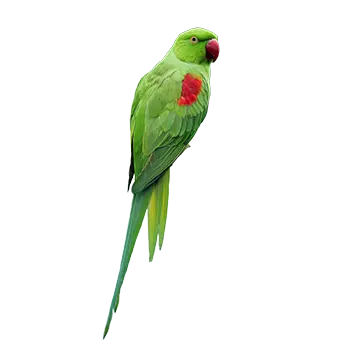

Recognizing when an Alexandrine Parakeet is approaching the end of its life is one of the most difficult aspects of avian companionship. Because birds are prey animals with a deeply ingrained instinct to conceal illness and weakness, significant decline may be underway before obvious signs become apparent. The transition from manageable senior health challenges to end-of-life decline is often marked by a shift from gradual changes to more rapid deterioration that no longer responds to treatment or management.
Key indicators that a bird may be entering its final phase include persistent and progressive weight loss despite adequate food availability, a marked decrease in activity and responsiveness, prolonged periods of sitting fluffed with eyes closed, reluctance or inability to perch, and a significant reduction in vocalization. The bird may stop engaging with toys, food, or people it previously enjoyed and may spend increasing amounts of time at the bottom of the cage rather than on perches.
Changes in droppings can also signal serious decline. Droppings that become consistently abnormal in color, volume, or consistency, particularly dark or tarry droppings, bright green urates, or a significant increase in liquid content, may indicate organ failure or advanced disease. A bird that stops eating or drinking entirely is in critical condition and requires immediate veterinary assessment to determine whether treatment is feasible or whether comfort care is the most appropriate path.
It is important to distinguish between a treatable medical crisis and irreversible decline. Some conditions that appear terminal can be stabilized or managed with appropriate veterinary intervention. Always consult with your avian veterinarian before making assumptions about prognosis. Diagnostic testing, even at this stage, can provide clarity about the bird's condition and help guide decisions about whether continued treatment or transition to hospice care is in the bird's best interest.