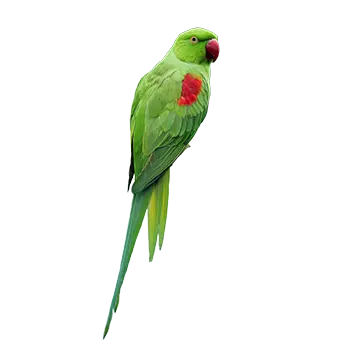

Growth & Physical Development

The juvenile stage of an Alexandrine Parakeet spans roughly from the completion of weaning at around eight to twelve weeks through the first molt and the approach of sexual maturity, which can occur between two and three years of age. During this extended period, the bird undergoes dramatic physical changes. Feathering fills in completely, the tail lengthens considerably, and the bird reaches its full adult wingspan. Young Alexandrines appear similar to adult females regardless of sex, as the distinctive maroon shoulder patches and neck ring in males do not fully develop until the bird is between two and three years old.

Bone development and muscle strengthening continue well beyond the initial fledging period. Juvenile Alexandrines need ample space and opportunity to fly, climb, and exercise to support proper musculoskeletal development. Birds that are confined to small cages during this growth phase may develop weak flight muscles, poor coordination, and even skeletal abnormalities. Providing a spacious flight cage or supervised out-of-cage time is essential for healthy physical development.

Weight should stabilize during the juvenile period after the rapid growth of the newborn stage. A healthy juvenile Alexandrine Parakeet typically weighs between 200 and 300 grams depending on individual genetics and sex. Regular weigh-ins, ideally weekly, help track growth trends and detect early signs of illness. Significant weight fluctuations without an obvious cause, such as a dietary change, should be investigated by an avian veterinarian.

The first molt, which usually occurs between four and eight months of age, is a significant developmental milestone. The bird will shed its juvenile plumage and grow in its first set of adult feathers. Molting is energy-intensive and can make the bird appear ragged or irritable. Nutritional support during this period is especially important, as feather production demands substantial protein and amino acids.

Nutrition & Diet Transition

The transition from hand-feeding formula or parental feeding to an independent diet is one of the most critical phases of juvenile Alexandrine Parakeet care. Weaning typically begins around six to eight weeks of age when the chick starts showing interest in solid foods, picking at items in its environment, and gradually consuming less formula per feeding. This process should be guided by the bird's behavior and readiness rather than forced on a rigid timeline, as premature weaning can lead to malnutrition, stress, and behavioral problems.

During the weaning process, offer a wide variety of foods to encourage exploration and establish diverse dietary preferences. Fresh vegetables such as leafy greens, carrots, peas, and bell peppers should form a significant portion of the diet. Fresh fruits can be offered in moderation as they are higher in sugar. Sprouted seeds and legumes provide excellent transitional nutrition, as they are softer than dry seeds and packed with bioavailable nutrients. A high-quality pelleted diet formulated for medium to large parrots should also be introduced during this period.

Avoid allowing the juvenile Alexandrine to develop a seed-only diet, as this is one of the most common and harmful dietary patterns in captive parrots. While seeds can be part of a balanced diet, they are high in fat and deficient in many essential vitamins and minerals when fed as the primary food source. Establishing good eating habits during the juvenile stage, when the bird is naturally curious and willing to try new foods, is far easier than attempting to convert an adult bird from an all-seed diet.

Fresh, clean water must be available at all times. Juvenile birds are active and messy, so water dishes should be checked and refreshed multiple times daily. Some keepers offer water in both a dish and a bottle to ensure consistent access. Avoid adding supplements to the water unless specifically directed by an avian veterinarian, as over-supplementation can be just as harmful as deficiency.

Behavioral Changes

Juvenile Alexandrine Parakeets undergo significant behavioral shifts as they mature, and understanding these changes helps keepers respond appropriately rather than misinterpreting normal developmental behavior as problems. One of the most notable changes is a period of increased independence, during which the bird may become less cuddly or more resistant to handling than it was as a baby. This is a natural part of avian development and does not mean the bird is losing its bond with its owner.

Many juvenile Alexandrines go through a phase commonly referred to as the bluffing stage, typically between four months and one year of age. During bluffing, the bird may become nippy, moody, unpredictable, or resistant to interaction. This phase is analogous to adolescent testing of boundaries in many species. The key to navigating bluffing successfully is patience, consistency, and avoiding punitive responses. Reacting with anger, loud voices, or physical punishment will damage trust and can create lasting behavioral issues.

Vocalization patterns change considerably during the juvenile period. Young Alexandrines begin experimenting with their vocal range, practicing calls, and in many cases starting to mimic words or sounds they hear regularly. This is an excellent time to begin or continue speech training if desired, as the bird's brain is highly receptive to learning new sounds. Consistent repetition of words or phrases in a clear, enthusiastic tone encourages vocal development.

Juvenile Alexandrines are intensely curious and need mental stimulation to prevent boredom-related behaviors such as feather plucking, excessive screaming, or destructive chewing. Rotate toys regularly, introduce foraging opportunities that require problem-solving, and provide safe items to chew and shred. A bored juvenile Alexandrine is far more likely to develop behavioral problems that persist into adulthood.

Training Priorities

The juvenile period is the optimal window for establishing foundational training with an Alexandrine Parakeet. These are intelligent birds that respond well to positive reinforcement, and habits formed during this stage tend to persist throughout the bird's long life. The most important skills to focus on during the juvenile period are step-up, step-down, recall, and basic target training, all of which build communication and cooperation between bird and keeper.

Step-up training teaches the bird to step onto your hand or a perch on cue and is the single most useful behavior a companion parrot can learn. Begin by presenting your hand or a perch at the bird's chest level and giving a calm, consistent verbal cue. Reward compliance immediately with a small treat or verbal praise. Keep sessions short, no more than five to ten minutes, and always end on a positive note. Consistent daily practice yields far better results than long, infrequent sessions.

Target training, in which the bird learns to touch a designated object such as a small stick or ball with its beak, is an excellent gateway to more advanced training. It gives the bird a clear way to earn rewards, builds confidence, and can be used to guide the bird to specific locations or into a carrier without physical force. Many avian behaviorists consider target training the foundation for all subsequent training efforts.

Establishing boundaries around biting is also a priority during this stage. Juvenile Alexandrines explore with their beaks, and it is normal for them to mouth, nibble, and occasionally bite during interactions. The goal is to teach the bird that gentle beak contact is acceptable but hard bites are not. When a hard bite occurs, calmly withdraw attention without dramatic reactions, as excitement or loud responses can inadvertently reinforce biting behavior. Return to interaction after a brief pause and reward gentle behavior.

Exercise & Activity

Adequate exercise is essential for the physical and psychological health of juvenile Alexandrine Parakeets. As one of the larger parakeet species, Alexandrines are naturally active birds that require significant space to move, climb, and fly. A juvenile Alexandrine should have access to the largest cage feasible, with a minimum length that allows the bird to spread its wings fully and move between perches without restriction. Bar spacing should be appropriate for the species to prevent injury.

Supervised out-of-cage time is a daily necessity, not a luxury. Juvenile Alexandrines should have at least two to four hours outside the cage each day in a bird-safe room where they can fly, explore, and interact with their human family. Before allowing free flight, ensure that all windows and mirrors are covered or marked, ceiling fans are off, toxic plants are removed, and other pets are secured. Flight is the most natural and beneficial form of exercise for any parrot, and allowing a juvenile bird to develop strong flight skills builds confidence and physical fitness.

Playstands, climbing structures, and hanging toys provide additional exercise opportunities both inside and outside the cage. Alexandrines particularly enjoy climbing and will readily use rope perches, ladders, and swings. Varying perch sizes and textures promotes healthy foot development and prevents pressure sores. Natural wood perches of different diameters are far superior to uniform dowel perches for foot health.

Foraging activities serve double duty as both mental stimulation and physical exercise. Wrapping treats in paper, hiding food inside foraging toys, or threading vegetables onto skewers encourages the bird to work for its food, mimicking natural behaviors and keeping the bird physically and mentally engaged. A juvenile Alexandrine that receives adequate exercise and enrichment is calmer, healthier, and far less prone to developing behavioral issues.

First Veterinary Checkups

Juvenile Alexandrine Parakeets should receive at least one comprehensive veterinary examination during this life stage, ideally shortly after weaning and settling into their new home. This visit establishes an updated health baseline and provides an opportunity to discuss diet, behavior, and long-term care planning with an avian-experienced veterinarian. Bring a fresh stool sample to the appointment for parasite screening, and be prepared to discuss the bird's diet, environment, and any behavioral observations.

Common health concerns during the juvenile period include psittacine beak and feather disease, polyomavirus, chlamydiosis, and various bacterial or fungal infections. Your veterinarian may recommend blood work, fecal analysis, and specific disease testing depending on the bird's history and risk factors. Discussing a vaccination schedule if applicable and a long-term wellness plan during this visit sets the stage for proactive rather than reactive healthcare.

Wing clipping is a topic that frequently arises during juvenile veterinary visits. Opinions on wing clipping vary widely among avian professionals and bird keepers. Some advocate for allowing full flight to support physical and psychological development, while others recommend a conservative clip for safety reasons, particularly in homes with hazards that cannot be fully mitigated. Discuss the pros and cons thoroughly with your veterinarian and make an informed decision based on your specific situation and the bird's individual needs.

Monitor the bird closely between veterinary visits for any changes in droppings, appetite, behavior, or feather condition. Juvenile birds can mask illness effectively, a survival instinct inherited from their wild ancestors, so subtle changes in routine or demeanor may be the earliest indicators of a health problem. Keeping a simple health log that tracks weight, food consumption, and behavioral notes makes it easier to identify trends and share relevant information with your veterinarian.

Socialization & Exposure

Continued socialization during the juvenile period is critical for raising a well-adjusted Alexandrine Parakeet that is comfortable with a variety of people, environments, and experiences. While the foundations of socialization are laid during the newborn stage, the juvenile period is when the bird's worldview expands significantly. Exposing the bird to new people, including men, women, and children of varying ages and appearances, helps prevent the one-person bonding pattern that Alexandrines can be prone to developing.

Gradual exposure to new environments builds confidence and resilience. Take the bird to different rooms in the house, allow it to experience different lighting conditions and sounds, and introduce it to safe outdoor experiences such as time on a screened porch or in an outdoor aviary. Every new positive experience during this formative period expands the bird's comfort zone and reduces the likelihood of fear-based behaviors developing later in life.

Introducing the juvenile Alexandrine to routine husbandry procedures is an important but often neglected aspect of socialization. Towel training, nail filing or clipping, and even simple wing examinations should be practiced gently and regularly so that the bird learns to accept these necessary procedures without excessive stress. Birds that are never exposed to toweling or handling for grooming purposes as juveniles often develop intense fear of these procedures as adults, making routine care stressful for both bird and keeper.

Socialization should always be conducted at the bird's pace and comfort level. Forcing a frightened bird into unfamiliar situations creates negative associations and can set back the socialization process significantly. Watch the bird's body language closely for signs of stress, such as pinning eyes, flattened feathers, lunging, or attempts to flee. If the bird shows signs of distress, reduce the intensity of the experience and return to a familiar, comfortable setting. Progress may be slow, but patient, positive socialization during the juvenile stage pays dividends throughout the bird's decades-long life.

Always consult a qualified professional before making any health-related decisions. This content is provided for informational reference only and should not replace professional guidance specific to your animal.