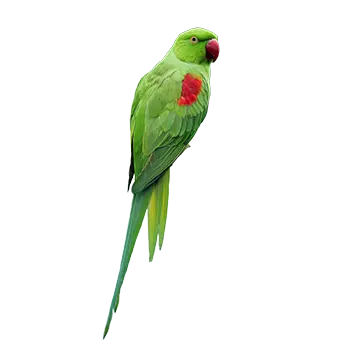

Alexandrine Parakeet chicks hatch after an incubation period of approximately 24 to 28 days. The newly hatched chick emerges blind, nearly featherless, and entirely dependent on its parents or a human caretaker for warmth and nourishment. During the first hours of life, the chick will rest frequently and may appear weak or lethargic, which is entirely normal. The priority during this stage is ensuring the chick remains warm, undisturbed, and in a clean environment.
If the chick is being parent-raised, it is important to observe from a respectful distance. The hen will brood the chick closely, keeping it tucked beneath her body to regulate its temperature. Avoid unnecessary handling during this critical bonding period, as excessive disturbance can cause the parents to become stressed or even reject the chick. Check briefly to confirm the chick's crop is being filled, which indicates successful first feedings.
For hand-rearing situations, the chick should be placed in a brooder set to approximately 95 to 98 degrees Fahrenheit with stable humidity levels. The first feeding should occur within several hours of hatching, once the chick has absorbed its yolk sac. Use a commercially prepared hand-feeding formula designed specifically for parrots, mixed to a thin consistency appropriate for day-one chicks. Feed small amounts using a syringe or spoon, taking care not to aspirate the chick.
Monitor the chick's crop closely after each feeding. A healthy crop will fill gently and empty within a reasonable timeframe. If the crop remains distended or does not empty between feedings, this may indicate a problem such as crop stasis, which requires immediate veterinary attention. Keep detailed records of feeding times, amounts, and weight from the very first day.