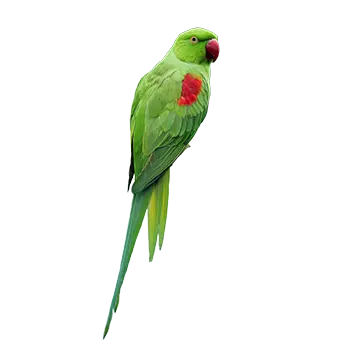

An adult Alexandrine Parakeet in its prime years, generally from around three years of age through approximately fifteen to eighteen years, is a robust, active, and engaging companion. This is the longest life stage and represents the period during which the bird is at its physical peak. Maintaining that peak requires consistent attention to diet, environment, exercise, and veterinary care. The habits and routines established during this stage have a direct impact on the bird's quality of life in its later senior years.
Annual wellness examinations with an avian veterinarian are the cornerstone of preventive health care for adult Alexandrines. These visits should include a thorough physical examination, blood work to assess organ function and detect early signs of disease, and fecal analysis for parasites. Many avian diseases develop gradually and produce no obvious symptoms until they are advanced, making routine blood panels one of the most effective tools for early detection.
At home, daily observation is a keeper's most valuable health monitoring tool. Become intimately familiar with your bird's normal behavior, droppings, appetite, and vocalizations so that you can detect subtle changes early. A bird that is slightly less active than usual, eating less of its favorite foods, or producing droppings that differ in color or consistency may be showing the earliest signs of a developing health issue. Prompt veterinary consultation at the first sign of change is always preferable to waiting.
Maintaining a consistent daily routine supports both physical and emotional health. Alexandrine Parakeets thrive on predictability and can become stressed by erratic schedules. Regular wake and sleep times, consistent feeding schedules, and predictable interaction periods help the bird feel secure and reduce anxiety-related behaviors.