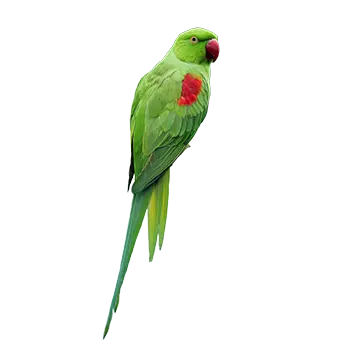

Alexandrine Parakeets reach sexual maturity at approximately two to three years of age, but responsible breeders typically wait until birds are at least three years old before pairing them for breeding. Physical maturity alone does not indicate that a bird is ready to breed. Both the hen and the cock should be in excellent overall health, at an appropriate weight, free of known genetic disorders, and demonstrating stable, well-adjusted temperaments before being considered as breeding candidates.
Pre-breeding veterinary examinations are essential for both birds in a prospective pair. Blood work, fecal analysis, and screening for common avian diseases such as psittacine beak and feather disease, polyomavirus, and chlamydiosis should be completed before any breeding attempt. Breeding birds that carry undiagnosed infections risks transmitting disease to chicks, the mate, and potentially an entire aviary. A clean bill of health from an avian veterinarian provides confidence that the breeding pair is medically suitable.
Pair compatibility is a significant factor in successful Alexandrine breeding. Not all birds that are placed together will form a bonded pair, and forcing incompatible birds to share a breeding space can result in aggression, injury, or chronic stress. Ideally, introduce prospective pairs in adjacent cages where they can see and hear each other before sharing a space. Signs of compatibility include mutual preening through the cage bars, feeding each other, synchronized vocalizations, and relaxed body language in each other's presence.
The breeding environment should be spacious, secure, and free from excessive disturbance. A large flight cage or aviary that allows the birds room to move freely is strongly preferred over a cramped breeding cage. The breeding space should be located in a quiet area of the home or aviary, away from high-traffic zones, loud machinery, or other sources of stress. Consistent lighting with a natural photoperiod helps regulate hormonal cycles and supports breeding readiness.