Trakehner Breed Guide - Furry Critter Network

Trakehner

Quick Facts

πŸ‡ Breed Group
Warmblood
πŸ“ Height
15.2-17.0 hands
βš–οΈ Weight
1,000-1,300 lbs
⏱️ Lifespan
25-30 years
😊 Temperament
Sensitive, intelligent, spirited, loyal
🎨 Coat Colors
Bay, Chestnut, Black, Gray, occasionally Roan
🦢 Gait
Floating, elastic, ground-covering with natural suspension
πŸ† Primary Use
Dressage, eventing, show jumping, sport horse breeding
🌍 Origin
East Prussia (modern-day Kaliningrad Oblast, Russia)

Trakehner - Names & Recognition

The Trakehner takes its name from the Trakehnen Stud, the royal horse breeding establishment founded in 1732 by King Friedrich Wilhelm I of Prussia in the village of Trakehnen in East Prussia. This region, located in what is now the Kaliningrad Oblast of Russia, provided the geographic and cultural foundation for a breed that would become one of the most influential warmblood registries in the world. The Trakehner Verband, headquartered in Germany, maintains the primary studbook and oversees breeding standards globally, continuing a tradition of meticulous record-keeping and rigorous selection that dates back nearly three centuries.

The breed is also historically referred to as the East Prussian Warmblood, a designation that reflects its geographic origins more broadly than the specific stud farm name. In German-speaking countries, the full formal name "Trakehner" is universally understood, while international equestrian communities have adopted the same terminology without translation. The American Trakehner Association, founded in 1974, manages the North American studbook and promotes the breed in the United States and Canada, maintaining strict adherence to the breeding standards established by the German parent registry.

The Trakehner occupies a unique position among European warmblood breeds as the only major warmblood studbook that operates as a closed registry, meaning that only Thoroughbred, Arabian, and Anglo-Arabian blood may be introduced alongside registered Trakehner lines. This policy distinguishes the Trakehner from other warmblood registries such as the Hanoverian, Holsteiner, or Oldenburg, which permit broader crossbreeding with approved stallions from various warmblood studbooks. The closed studbook policy preserves the breed's distinctive type, refinement, and the higher percentage of Thoroughbred and Arabian blood that gives the Trakehner its characteristic elegance and athleticism.

Recognition of the Trakehner extends across all major international equestrian governing bodies. The Federation Equestre Internationale recognizes Trakehner-registered horses competing at the highest levels of dressage, show jumping, and eventing, where the breed has achieved notable success particularly in the latter two disciplines. The World Breeding Federation for Sport Horses includes the Trakehner Verband among its member studbooks, and Trakehner breeding values and competition results contribute to global sport horse rankings. The breed's influence extends beyond its own registry, as Trakehner stallions are among the most sought-after outcross sires for other warmblood studbooks seeking to add refinement, movement quality, and Thoroughbred-type athleticism to their breeding programs.

The dramatic history of the breed's survival adds a layer of cultural significance to the Trakehner name. During the winter of 1944-1945, as Soviet forces advanced into East Prussia, approximately eight hundred Trakehner horses and their handlers undertook a harrowing trek westward across frozen landscapes, enduring extreme cold, starvation, and the chaos of wartime displacement. Of the tens of thousands of registered Trakehners in East Prussia before the war, only a fraction survived this exodus to reach safety in western Germany. The surviving horses formed the foundation of the postwar breeding program, and this journey of survival is commemorated in the breed's identity and celebrated by Trakehner enthusiasts as a testament to the breed's extraordinary resilience and endurance.

Breed Registry Recognition

  • trakehnerVerband: Recognized in 1732, Warmblood Studbook
  • ata: Recognized in 1974, Sport Horse
  • FΓ©dΓ©ration Γ‰questre Internationale (FEI): Recognized, Sport Horse
  • World Breeding Federation for Sport Horses (WBFSH): Recognized, Warmblood Studbook

Trakehner Physical Description

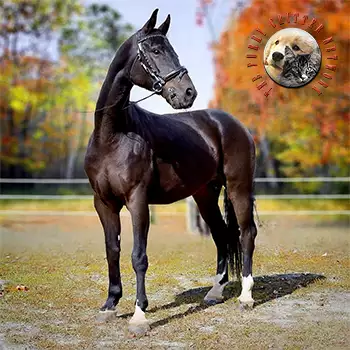
The Trakehner is widely regarded as the most refined and elegant of the major European warmblood breeds, presenting a silhouette that clearly reflects its significant Thoroughbred and Arabian heritage. Horses typically stand between 15.2 and 17 hands, with the majority of modern sport-type individuals measuring 16 to 16.2 hands, a range that balances the athleticism needed for upper-level competition with the lightness and agility that distinguish the breed from heavier warmbloods. Mature weights generally fall between 1,000 and 1,300 pounds, lighter on average than breeds such as the Hanoverian or Dutch Warmblood, reflecting the Trakehner's emphasis on quality of movement over sheer mass.

The head is one of the breed's most distinctive features, displaying pronounced refinement with a straight or slightly dished profile that reveals the Arabian influence within the breed's foundation. Large, expressive eyes convey the intelligence and sensitivity that define the Trakehner temperament, while well-shaped, mobile ears contribute to an alert, aristocratic expression. The throatlatch is clean and well-defined, allowing proper flexion at the poll that is essential for advanced dressage work. The overall impression of the head should suggest breeding and quality without coarseness, and breeders consistently prioritize this characteristic as a hallmark of correct Trakehner type.

The neck of a well-bred Trakehner is long, elegantly arched, and set high on the shoulder, creating the uphill carriage that is prized in the breed. Prominent, well-defined withers extend well into the back, providing excellent saddle placement and contributing to the natural elevation of the forehand that gives the Trakehner its characteristic self-carriage. The shoulder should be long and well-angled, ideally approaching forty-five to fifty degrees of angulation, which directly influences the freedom and reach of the forelimb at all gaits. A deep, well-developed chest provides ample room for heart and lung capacity, supporting the stamina required for the endurance demands of eventing and sustained dressage work.

The body displays a harmonious balance between length and compactness, with a strong, medium-length back connecting to a well-muscled loin and a long, gently sloping croup. The hindquarters are powerful and well-developed, providing the engine for the breed's expressive gaits and jumping ability. Correct hind leg angulation through the stifle, hock, and pastern is emphasized in breeding evaluations, as the thrust generated from behind determines the quality of engagement, collection, and propulsive power. The tail is set at a moderate height, carried freely, and contributes to the overall impression of elegance and balance.

Bay is the most prevalent coat color in the breed, followed by chestnut, black, and gray, with roan appearing occasionally. The Trakehner studbook accepts all standard equine coat colors, though flashy markings and unusual colorations are neither selected for nor against in breeding decisions, which are driven entirely by conformation, movement quality, temperament, and performance potential. The coat is typically fine and close-lying, consistent with the breed's Thoroughbred influence, and the overall skin quality tends toward thin and sensitive, making the breed's refined musculature particularly visible and contributing to the sculpted appearance that Trakehner enthusiasts prize.

Riding Suitability
The Trakehner is best suited for intermediate to advanced riders who appreciate a sensitive, responsive mount. Their refined nature and keen intelligence make them outstanding partners for skilled equestrians, but their reactivity and forward disposition can overwhelm less experienced riders. When correctly matched, the Trakehner offers a riding experience marked by lightness, willingness, and remarkable communication between horse and rider.
Temperament
Trakehners are highly intelligent and emotionally perceptive horses that form deep bonds with consistent handlers. They possess a sensitivity that sets them apart from heavier warmblood breeds, responding acutely to both rider aids and environmental stimuli. This sensitivity is a double-edged trait: it produces an exceptionally trainable horse in skilled hands but can manifest as nervousness or reactivity under insensitive or inconsistent management. Trust-based relationships bring out the breed's best qualities.
Activity Level
Trakehners are high-energy horses that require consistent, structured exercise to remain physically fit and mentally balanced. They thrive under regular training programs that challenge their athletic abilities and engage their active minds. Without adequate work and stimulation, they can develop restless or anxious behaviors. Their stamina and endurance, inherited in part from Thoroughbred and Arabian ancestry, support demanding training and competition schedules across multiple disciplines.
Space Requirements
As large, active warmbloods, Trakehners require generous turnout space and access to quality riding facilities. A minimum of two to three acres of well-maintained pasture per horse is recommended, with secure fencing appropriate for a breed that can be reactive to environmental stimuli. Daily turnout is essential for their mental health, and confinement to small paddocks or prolonged stall rest without compensating exercise can lead to behavioral deterioration and physical stiffness.
Grooming Requirements
Grooming requirements for the Trakehner are moderate and consistent with other refined warmblood breeds. Their fine coats benefit from daily brushing to maintain health and appearance, and competition horses require more intensive preparation. The breed's thin skin can be susceptible to insect sensitivity and minor skin irritations, making attentive grooming an opportunity for early detection of developing issues. Regular mane, tail, and hoof care complete the standard grooming routine.
Climate Adaptability
Trakehners are reasonably adaptable to varied climates, having originated in the harsh continental climate of East Prussia with severe winters and warm summers. They develop adequate winter coats but benefit from blanketing in prolonged cold, wet conditions. In hot, humid environments, their Thoroughbred-influenced metabolism can make them susceptible to heat stress during intense work, requiring careful management of exercise timing, hydration, and electrolyte balance during warm months.
Health Hardiness
The Trakehner is generally a sound breed with good structural integrity, though its relatively small breeding population has concentrated certain genetic predispositions that require awareness. The breed's refinement and higher Thoroughbred content compared to other warmbloods can contribute to a somewhat more delicate constitution in some individuals. Proactive veterinary management, appropriate conditioning, and careful attention to nutrition and hoof care support the long-term soundness that the breed is capable of achieving.
Feed Management
Trakehners tend toward moderate to hard keeping compared to heavier warmblood breeds, reflecting their Thoroughbred and Arabian heritage. Many individuals require thoughtful nutritional programs to maintain optimal condition, particularly during heavy training or competition seasons. They generally metabolize feed efficiently but may need higher-quality forage and appropriate concentrate supplementation to support their athletic demands without developing digestive disturbances associated with overfeeding grain-heavy diets.

Temperament

The Trakehner temperament is defined by a combination of intelligence, sensitivity, and spirit that makes the breed simultaneously one of the most rewarding and most demanding of the European warmbloods. These horses possess an acuity of perception and an emotional depth that distinguishes them from breeds with heavier, more phlegmatic dispositions. A well-managed Trakehner develops a profound bond with its primary handler, displaying a loyalty and attentiveness that experienced riders describe as a genuine partnership rather than a simple obedience relationship. This emotional connection, when properly cultivated, produces a horse that anticipates its rider's intentions and responds with willing precision.

The breed's sensitivity is perhaps its most discussed characteristic, and understanding this trait is essential for anyone considering Trakehner ownership. These horses are keenly attuned to their handler's emotions, body language, and energy, responding not merely to physical aids but to the psychological state of the person working with them. A confident, calm handler brings out the best in a Trakehner, while anxiety, frustration, or inconsistency from the rider can quickly produce tension and reactivity in the horse. This mirror-like quality means that training a Trakehner is as much about the rider's self-awareness and emotional regulation as it is about the technical execution of aids and exercises.

Courage and determination are core attributes that have been selected for throughout the breed's history, from the cavalry requirements of the Prussian military to the cross-country demands of modern eventing. Trakehners that possess the breed's ideal temperament display boldness without recklessness, approaching challenging tasks with focused determination rather than blind impulsiveness. In eventing, this translates to horses that read cross-country questions intelligently, adjust their approach when necessary, and maintain composure under the pressures of competition. This thinking courage is distinct from the brute bravery of less sensitive breeds and is one of the qualities that makes the Trakehner so valued by event riders worldwide.

Socially, Trakehners tend to be observant and sometimes selective in their relationships with other horses, establishing clear preferences and maintaining awareness of herd dynamics even in domestic settings. They are generally good in group turnout once established relationships have been formed, though some individuals display the assertiveness and independence associated with their hotter blood heritage. Their intelligence means they require consistent boundaries and thrive under management systems that are predictable and fair. Environmental enrichment, varied training routines, and opportunities for mental engagement all contribute to the breed's contentment and willingness to work.

The breed's spirited nature should not be confused with difficulty or vice. A well-bred, well-raised, and correctly trained Trakehner is a cooperative, generous partner that takes pride in its work and seeks approval from its handler. The reputation for being "hot" or "difficult" that sometimes follows the breed typically reflects horses that have been mismatched with riders of insufficient skill, subjected to training methods that conflict with their sensitive natures, or managed in ways that create chronic stress. Understanding and respecting the Trakehner temperament, rather than attempting to suppress it, is the key to unlocking the remarkable partnership these horses are capable of offering.

Facilities & Management

Proper facilities for the Trakehner should accommodate the needs of a large, sensitive sport horse that benefits greatly from thoughtful environmental management. Stabling should provide spacious stalls of at least twelve by twelve feet, with fourteen by fourteen preferred for larger individuals, featuring excellent ventilation, natural light, and visual access to other horses. The breed's sensitive temperament means that isolation, dark environments, or excessive confinement can contribute to stress-related behaviors and gastric ulcer development. Barn designs that allow horses to see their neighbors, observe activity, and experience natural airflow are particularly beneficial for this breed.

Daily turnout is not optional for the Trakehner but rather a fundamental component of sound management. These horses require time at pasture for both physical and psychological well-being, and restricting turnout to compensate for perceived excitability typically produces the opposite of the intended effect, creating more tension and reactivity rather than less. A minimum of two to three acres of quality pasture per horse provides adequate room for movement and social interaction. Fencing must be safe, highly visible, and sturdy enough to contain horses that may react quickly to perceived threats or engage in vigorous play. Board fencing, vinyl rail, or properly designed high-tensile wire with a visible top rail are appropriate choices.

Training facilities are a critical investment for Trakehner owners, as these horses require regular, structured work to develop their athletic potential and maintain mental equilibrium. Access to a well-maintained riding arena with quality footing is essential, with dimensions of at least twenty by sixty meters for dressage work. Footing quality directly impacts soundness and training quality, and investing in appropriate arena surfaces that provide consistent cushioning, traction, and drainage protects the structural integrity of the horse's limbs over years of training. Jumping facilities, cross-country schooling access, and varied terrain for conditioning rides all enhance the training options available to Trakehner owners pursuing competitive goals.

Seasonal management requires attention to the breed's relatively fine constitution. Winter care should include appropriate blanketing based on individual coat development and weather conditions, as some Trakehners develop lighter winter coats than heavier warmblood breeds. Adequate shelter from wind and precipitation is essential, and heated water sources encourage sufficient winter hydration. During summer, fly management deserves particular attention, as the breed's thin, sensitive skin can develop significant reactions to insect bites. Shade, ventilation, and adjusted exercise schedules during extreme heat protect against heat stress, and electrolyte management supports horses in heavy work during warm weather.

Feeding & Nutrition

Feeding the Trakehner demands a nutritional program that accounts for the breed's relatively efficient but sometimes variable metabolism and the energy demands of athletic training and competition. Quality forage forms the indispensable foundation of the diet, with a minimum of 1.5 to 2 percent of body weight in hay or pasture consumed daily. For a typical Trakehner weighing 1,100 to 1,200 pounds, this translates to approximately sixteen to twenty-four pounds of forage per day. Mixed grass hays or grass-legume blends provide appropriate energy and protein levels for most horses in moderate work, while pure alfalfa should be used judiciously due to its high caloric density and protein content.

Concentrate feeds should be selected and adjusted based on the individual horse's workload, body condition, and metabolic tendencies. Trakehners in moderate to heavy work typically benefit from commercial performance feeds formulated to provide balanced energy from a combination of starch, fat, and fermentable fiber sources. Fat-supplemented feeds may be particularly appropriate for the breed, as dietary fat provides sustained energy without the behavioral excitability sometimes associated with high-starch grain diets in sensitive horses. Dividing concentrate meals into two or three smaller feedings throughout the day supports digestive health and reduces the risk of gastric ulcers, a condition to which the breed's temperament may predispose them.

The Trakehner's sensitivity extends to its digestive system, and careful attention to feeding practices can prevent many common health issues. Maintaining continuous access to forage or limiting gaps between meals to no more than four hours reduces gastric acid damage to the stomach lining. Slow-feeder hay nets can extend eating time during stall confinement, mimicking the natural trickle-feeding pattern that equine digestive systems evolved to accommodate. Abrupt feed changes should be avoided entirely, with any dietary transitions implemented gradually over seven to fourteen days to allow the gut microbiome to adapt without triggering colic or diarrhea.

Hydration and electrolyte management are particularly important for Trakehners in active training programs. Fresh, clean water should be available at all times, with horses in moderate to heavy work consuming forty to seventy liters daily depending on ambient conditions and exercise intensity. Loose salt provided free-choice supplements baseline sodium intake, while additional electrolyte supplementation during periods of heavy sweating supports proper muscle function, hydration status, and recovery. Monitoring water intake patterns can provide early warning of health changes, as a sudden decrease in drinking often precedes clinical signs of illness or discomfort.

Nutritional requirements shift across the Trakehner's life stages and career phases. Growing young stock require carefully balanced nutrition that supports steady skeletal development without promoting the excessively rapid growth rates that increase osteochondritis dissecans risk. Broodmares need increased nutritional support during late gestation and especially during lactation, when energy requirements may nearly double. Older retired horses benefit from senior feed formulations that account for declining dental efficiency and changing metabolic needs. Joint-supportive supplements containing glucosamine, chondroitin, and omega-3 fatty acids are commonly incorporated into the diets of competition horses and aging individuals, though supplementation should always be evaluated in the context of the total ration to prevent imbalances.

Trakehner Health & Lifespan

The Trakehner enjoys a typical warmblood lifespan of twenty-five to thirty years, with many individuals maintaining active careers into their late teens or early twenties before transitioning to lighter work or retirement. The breed's health profile reflects a foundation built on centuries of selective breeding that prioritized soundness, endurance, and constitutional strength, qualities that were tested to an extraordinary degree during the breed's wartime survival trek. However, the relatively small postwar founding population and the closed studbook policy that preserves breed purity have resulted in a narrower genetic base than some other warmblood registries, making awareness of inherited predispositions particularly important.

Osteochondritis dissecans represents the most significant developmental orthopedic concern in the breed, with lesions forming in the cartilage and subchondral bone of joints during the growth phase. The hocks, stifles, and fetlocks are most commonly affected, and the condition's multifactorial etiology involves both genetic predisposition and environmental factors including growth rate, nutrition, and exercise levels during the first two years of life. Radiographic screening of young horses before sale or breeding selection has become standard practice within the Trakehner community, and breeders increasingly incorporate OCD status into their selection criteria to reduce incidence in future generations.

The athletic demands placed on competitive Trakehners create predictable patterns of musculoskeletal stress that owners and trainers must manage proactively. Tendon and suspensory ligament injuries are among the most common performance-limiting conditions, particularly in horses competing in eventing where the combination of dressage collection, show jumping effort, and cross-country galloping and landing forces creates cumulative strain on these structures. Modern veterinary diagnostics including ultrasonography and MRI have improved the ability to detect early tissue changes before clinical lameness develops, and rehabilitation protocols incorporating regenerative therapies offer improved outcomes for many soft tissue injuries.

Gastric ulcer syndrome warrants particular attention in the Trakehner due to the interaction between the breed's sensitive temperament and the environmental stressors inherent in competitive equine management. The combination of intermittent feeding patterns, concentrate-heavy diets, travel, competition pressure, and stall confinement can create conditions that promote gastric acid damage. The breed's tendency toward internalized stress may exacerbate ulcer risk beyond what would be expected based on management factors alone. Preventive strategies emphasizing continuous forage access, stress reduction through adequate turnout and social contact, and pharmacological support during high-stress periods significantly reduce ulcer incidence and severity.

As Trakehners age, degenerative joint disease becomes an increasingly relevant management consideration, particularly in horses with long competitive careers. Hock arthritis, fetlock osteoarthritis, and coffin joint inflammation may develop progressively, presenting initially as subtle performance changes before advancing to observable lameness. Joint-supportive therapies including oral supplementation, intra-articular treatments, and systemic joint medications can maintain comfort and function for extended periods. The transition from competition to retirement deserves thoughtful planning, as many Trakehners continue to enjoy active lives in lighter disciplines, trail riding, or breeding well into their twenties when their physical condition is managed appropriately.

Common Health Issues

  • Osteochondritis Dissecans (OCD) - Osteochondritis dissecans is a developmental orthopedic condition involving defective cartilage and subchondral bone formation within joints, most commonly the hocks, stifles, and fetlocks. Trakehners can be predisposed due to rapid juvenile growth and genetic factors within the relatively closed breeding population. Radiographic screening of young horses prior to sale or breeding selection is standard practice, and mild cases may resolve with conservative management while significant lesions typically require arthroscopic intervention.
  • Chronic Progressive Lymphedema - While far less common in Trakehners than in draft breeds, some individuals may develop lymphatic dysfunction in the lower limbs, leading to progressive swelling, skin thickening, and secondary infections. Early recognition and management through consistent limb care, exercise, and compression bandaging can slow progression. The condition is rare in the breed but warrants awareness, particularly in horses with heavier bone or less refined lower limbs.
  • Gastric Ulcers - Equine gastric ulcer syndrome is prevalent among performance horses, and the Trakehner's sensitive temperament may contribute to increased susceptibility under the stresses of competition, travel, and intensive stabling. Symptoms range from subtle performance decline and irritability to overt weight loss and colic-like discomfort. Prevention centers on maximizing forage availability, minimizing periods without feed, managing environmental stress, and providing adequate turnout to reduce anxiety.
  • Tendon and Suspensory Injuries - The athletic demands of dressage collection, jumping efforts, and eventing cross-country place significant stress on the tendons and suspensory apparatus of the lower limbs. Superficial digital flexor tendon strains and suspensory ligament injuries can occur during training or competition, particularly when horses are worked on unsuitable footing or inadequately conditioned for the demands placed upon them. Proper warm-up protocols, footing management, and progressive conditioning reduce risk.
  • Atypical Myopathy - Trakehners at pasture during autumn and spring may be exposed to the toxin hypoglycin A found in sycamore maple seeds and seedlings, which can trigger atypical myopathy, a severe and often fatal muscle disorder. Horses on sparse pastures with access to windblown seeds are at greatest risk. Prevention involves inspecting and managing pastures to remove sycamore debris, providing supplemental hay to reduce grazing of contaminated areas, and limiting turnout during high-risk periods.
  • Navicular Syndrome - Navicular syndrome encompasses degenerative conditions affecting the navicular bone, bursa, and surrounding soft tissues in the heel region of the forelimbs. Trakehners in regular work may develop navicular changes manifesting as intermittent or progressive forelimb lameness. Contributing factors include conformation, shoeing practices, and workload intensity. Management typically involves corrective farriery, anti-inflammatory therapy, and workload modification tailored to the individual horse's response.

Preventive Care & Health Monitoring

  • Comprehensive Veterinary Examinations - Annual or biannual veterinary evaluations should include thorough lameness assessments, dental examinations, and general health screening. For Trakehners in active competition, more frequent soundness evaluations and baseline bloodwork help identify emerging conditions before they become limiting. The breed's sensitivity makes early detection particularly valuable, as subtle behavioral changes often signal physical discomfort that might be overlooked in less expressive horses.
  • Dental Maintenance - Regular dental examinations and floating at six- to twelve-month intervals maintain proper occlusion and comfortable bit contact. Young Trakehners require closer dental monitoring during the transition from deciduous to permanent teeth, as retained caps or wolf teeth can cause significant training resistance in this sensitive breed. Proper dental health directly impacts feed utilization, behavior, and rideability throughout the horse's life.
  • Farrier Care - Consistent farrier attention every five to seven weeks maintains hoof balance and supports the structural integrity of the lower limbs. Trakehners may require discipline-specific shoeing considerations, particularly horses competing in dressage requiring enhanced traction or eventers needing stud holes and protective shoe modifications. The breed's generally good hoof quality supports both shod and barefoot management depending on individual conformation and workload demands.
  • Vaccination Protocol - Core vaccinations including tetanus, encephalomyelitis, West Nile virus, and rabies should be administered according to veterinary recommendations based on geographic risk factors. Trakehners that travel frequently for competition require particular attention to respiratory disease vaccination, including equine influenza and rhinopneumonitis, given the increased disease exposure associated with commingling at events. Broodmares require additional vaccination timing considerations to support passive immunity transfer to foals.
  • Parasite Management - Strategic deworming guided by fecal egg count monitoring is preferred over calendar-based rotational protocols, allowing targeted treatment that reduces drug resistance while effectively controlling parasite burdens. Pasture management practices including regular manure removal, rotational grazing where feasible, and field resting complement pharmaceutical parasite control and support overall herd health on Trakehner breeding and training operations.
  • Mental Health and Stress Management - The Trakehner's sensitive temperament warrants deliberate attention to psychological well-being as a component of preventive care. Consistent daily routines, adequate social interaction with other horses, sufficient turnout time, and careful management of environmental stressors all contribute to a calmer, healthier horse. Recognizing signs of anxiety, gastric distress, or behavioral changes early and addressing their causes proactively prevents escalation into clinical conditions such as ulcers, stereotypies, or training resistance.

Training & Handling

Training the Trakehner requires a philosophy grounded in patience, consistency, and respect for the breed's intelligence and emotional sensitivity. These horses learn rapidly and retain information exceptionally well, which is both an asset and a responsibility. Positive training experiences build confidence and willingness that compound over time, while negative experiences, harsh corrections, or confusing demands can create lasting anxiety and resistance. The most successful Trakehner trainers understand that every interaction is a training session and approach daily handling, grooming, and management with the same thoughtfulness they bring to formal work under saddle.

Foundational flatwork is essential for developing the Trakehner's natural movement quality into the controlled, expressive gaits that distinguish the breed in competition. The breed's inherent elasticity and suspension lend themselves to dressage work, and systematic training through the levels develops the carrying power of the hindquarters, the throughness of the topline, and the self-carriage that allow these horses to perform collected and extended work with apparent ease. Transitions within and between gaits, lateral movements, and exercises that engage the horse's mind alongside its body produce the best results with a breed that craves both physical and intellectual challenge.

Jumping training should proceed methodically, building the Trakehner's natural scope and technique through progressive gymnastic work before advancing to full course demands. The breed's combination of Thoroughbred-derived galloping ability, natural bascule, and intelligent approach to fences makes many Trakehners naturally talented jumpers who read distances well and develop reliable technique when given time to mature physically and mentally. Cavaletti exercises, grids, and related distances develop rhythm, adjustability, and confidence, while rushing the progression toward height or complexity can overwhelm sensitive individuals and create lasting jumping anxieties.

For eventing, which has historically been one of the breed's strongest disciplines, training must develop the complete horse capable of performing across three distinct phases. The Trakehner's courage, stamina, and cross-country boldness are significant competitive assets, but these qualities must be developed through systematic exposure to varied terrain, water crossings, ditches, banks, and increasingly complex combinations. Cross-country confidence is built through positive, progressive experiences rather than forced confrontation with challenges the horse is not yet prepared to handle. The breed's endurance and galloping ability, inherited from its Thoroughbred ancestry, provide the fitness foundation for the demanding cross-country phase when supported by appropriate cardiovascular conditioning.

Ground handling and daily management should emphasize clear, consistent boundaries delivered with quiet authority rather than physical dominance. Trakehners respect handlers who are fair, predictable, and confident, and they quickly lose trust in those who are erratic, overly permissive, or unnecessarily forceful. Establishing routines, maintaining calm energy during all interactions, and addressing behavioral questions with understanding rather than punishment creates the foundation of trust upon which all productive training rests. The Trakehner that trusts its handler will offer efforts and cooperation that far exceed what any amount of mechanical training could produce.

Suitability & Considerations

The Trakehner is best suited for experienced equestrians who value sensitivity, refinement, and a genuine partnership with their horse. These are not horses for riders who prefer a passive, predictable mount or for those who lack the time, knowledge, and temperament to manage a breed that demands emotional intelligence alongside riding skill. Prospective owners should assess their own experience, goals, and management resources candidly before committing to a breed that rewards excellence in horsemanship but does not tolerate mediocrity well. When the match is right, however, the Trakehner offers an equine partnership of extraordinary depth and satisfaction.

Financially, Trakehner ownership represents a meaningful investment across the horse's lifetime. Quality breeding stock and competition prospects command significant purchase prices, reflecting the breed's relatively small population and the rigorous selection standards maintained by the registry. Ongoing costs for appropriate boarding, veterinary care, farrier services, training, and competition are comparable to those for any upper-level sport horse program. Prospective buyers should budget realistically for the total cost of ownership, including provision for unexpected veterinary expenses that are an inherent part of managing athletic horses at competitive levels. Equine mortality and major medical insurance is strongly recommended.

The breed's competitive strengths span multiple Olympic disciplines, with particular distinction in eventing and dressage. Trakehner-bred horses have represented numerous nations at Olympic Games, World Championships, and major international competitions, with the breed contributing disproportionately to eventing medal tallies relative to its small global population. In dressage, the breed's natural suspension, elasticity, and expressive movement quality produce horses capable of performing at the grand prix level, though they may require more nuanced training approaches than heavier warmblood types. Show jumping success, while less consistently represented at the highest levels, includes notable individual achievements, and the breed's technique and scope make many Trakehners competitive through the upper levels of national and international jumping.

The Trakehner's importance as an improver breed for other warmblood registries deserves mention for prospective breeders. Trakehner stallions are among the most sought-after outcross options for studbooks seeking to add refinement, movement quality, and rideability to their populations. This demand creates breeding opportunities for owners of approved Trakehner stallions and quality mares, though the rigorous inspection and approval processes maintained by the Trakehner Verband and its affiliated registries ensure that only horses meeting high standards contribute to the breeding population. Participation in the breed's structured evaluation system, including mare inspections, stallion licensing, and performance testing, is both a responsibility and a source of pride for Trakehner breeders.

Long-term planning for the Trakehner should encompass the horse's entire life, including eventual retirement from competitive work. These long-lived, intelligent horses may have fifteen or more years of life after their competitive careers conclude, and planning for this transition is an ethical obligation of ownership. Many Trakehners adapt successfully to second careers as lower-level school horses, trail companions, or breeding animals, and their intelligence and social nature generally support comfortable transitions when managed with the sensitivity the breed deserves. The emotional bond that develops between a Trakehner and its owner often makes retirement decisions particularly personal, reinforcing the importance of advance planning for the horse's long-term welfare.