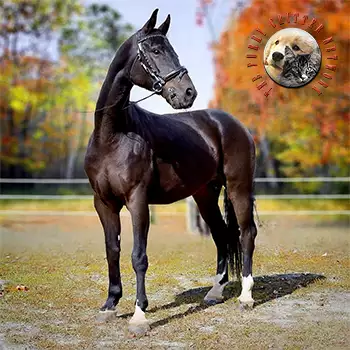

Peak Health Maintenance

The adult Trakehner, typically between four and fifteen years of age, is in its physical prime and capable of performing at the highest levels of sport and recreation. Maintaining this peak condition requires a proactive and comprehensive approach to health management. A strong partnership with an equine veterinarian forms the cornerstone of this approach, with routine wellness examinations at least once or twice per year serving as the baseline for ongoing care.

Vaccination protocols should be maintained on the schedule recommended by your veterinarian, tailored to regional disease risks and the horse's exposure level. Horses that travel to shows, clinics, or other facilities face greater exposure to infectious diseases and may require additional vaccinations beyond the core protocol. Deworming should follow a strategic approach based on fecal egg counts rather than a blanket rotational schedule, as targeted treatment reduces parasite resistance and treats only horses that actually carry significant worm burdens.

Daily observation remains one of the most powerful health maintenance tools available to any horse owner. Knowing your Trakehner's normal vital signs, eating habits, manure consistency, and behavioral patterns allows you to detect subtle changes early, often before clinical signs become obvious. A horse that is slightly off its feed, drinking more or less than usual, or behaving in uncharacteristic ways may be signaling the early stages of a health issue that is far easier to address when caught early.

The Trakehner's athletic build and active temperament mean that musculoskeletal health deserves particular attention during the prime years. Regular assessment of gait quality, willingness to work, and response to the rider's aids can reveal early signs of discomfort or lameness. Incorporating bodywork such as massage or chiropractic care into the horse's routine can help maintain suppleness and identify areas of tension or soreness before they develop into more significant problems.

Nutrition at Maturity

Feeding the adult Trakehner requires balancing energy intake with workload, body condition, and metabolic health. Unlike the growing juvenile, the mature horse's nutritional needs are relatively stable but must be adjusted seasonally and in response to changes in activity level. Quality forage should constitute the majority of the diet, with most adult horses requiring approximately one and a half to two percent of their body weight in forage per day. Good grass hay or pasture provides the fiber essential for digestive health and the steady energy release that supports both performance and temperament.

Concentrate feeds should be selected based on the horse's actual energy requirements rather than habit or convention. A Trakehner in light work may need little to no concentrate beyond a ration balancer that provides essential vitamins and minerals without excess calories. Horses in moderate to heavy work require additional energy, which can be supplied through commercial performance feeds formulated with appropriate protein, fat, and carbohydrate levels. Fat supplementation through stabilized oils can provide concentrated calories without the metabolic risks associated with high-starch diets.

Body condition scoring on a regular basis helps guide feeding decisions and prevents the gradual weight gain or loss that can be difficult to notice when you see your horse every day. The ideal body condition for an adult Trakehner in work is moderate, with ribs that can be easily felt but not seen and a smooth, well-muscled topline. Both obesity and underweight carry health risks, and maintaining a consistent condition year-round requires ongoing attention to the balance between feed intake and energy expenditure.

Hydration and electrolyte balance are often overlooked aspects of adult horse nutrition. A working horse can lose significant amounts of fluid and electrolytes through sweat, particularly during warm weather or intense exercise. Access to clean, fresh water at all times is nonnegotiable, and electrolyte supplementation may be warranted during periods of heavy sweating. Salt should always be available, either as a block or as loose salt added to the daily feed ration.

Exercise & Fitness

The adult Trakehner thrives with a well-structured fitness program that challenges both body and mind. As a breed developed for versatility across the Olympic disciplines of dressage, show jumping, and eventing, the Trakehner possesses natural athleticism that responds exceptionally well to progressive conditioning. A sound training program builds fitness gradually, alternating between periods of focused work and adequate recovery to prevent overtraining and maintain enthusiasm.

Variety in the exercise routine is particularly important for the Trakehner's mental health. This intelligent breed becomes bored and frustrated with monotonous repetition, which can manifest as resistance, tension, or behavioral issues under saddle. Incorporating trail riding, cavaletti work, hill conditioning, and turnout alongside focused arena sessions keeps the horse mentally engaged and physically balanced. Cross-training also helps prevent the overuse injuries that can result from repetitive movement patterns in a single discipline.

Proper warm-up and cool-down routines protect the adult horse's musculoskeletal system and optimize performance. A minimum of ten to fifteen minutes of walking at the beginning of each session allows muscles, tendons, and joints to prepare for more demanding work. Gradual cool-down after exercise brings heart rate and respiration back to resting levels and helps clear metabolic waste products from working muscles. Skipping these phases increases the risk of injury and reduces the quality of recovery between sessions.

Fitness should be built and maintained with attention to the horse's feedback. A Trakehner that resists work it previously performed willingly, shows a decline in movement quality, or exhibits changes in attitude may be experiencing pain, fatigue, or the early stages of an injury. Pushing through these signals often results in more severe problems. Rest days, reduced workload periods, and periodic veterinary evaluations ensure that the training program serves the horse's long-term soundness rather than compromising it.

Preventive Health Care

Preventive care during the adult years focuses on maintaining the systems that keep the Trakehner sound, comfortable, and performing at its best. Dental examinations and floating should be performed at least annually, as sharp enamel points, hooks, and wave patterns develop naturally from the horse's chewing motion and can cause pain, resistance to the bit, difficulty maintaining weight, and incomplete feed processing. Many performance issues attributed to training or behavioral causes are actually rooted in unaddressed dental discomfort.

Hoof care on a regular schedule of every five to eight weeks is essential regardless of whether the horse is shod or barefoot. The adult Trakehner in regular work often benefits from shoes that support its specific hoof conformation and the demands of its discipline, though some individuals maintain excellent hoof quality without shoes. The farrier should work in coordination with the veterinarian, particularly if any lameness issues arise, to ensure that hoof balance supports overall limb health.

Parasite management through strategic deworming based on fecal egg counts has become the standard of care and is far preferable to the outdated practice of rotational deworming on a fixed schedule. Regular fecal testing identifies which horses carry significant parasite burdens and allows targeted treatment, reducing both medication costs and the development of drug-resistant parasite populations. Most adult horses in well-managed environments are low shedders that require infrequent treatment.

Skin and coat health serve as visible indicators of overall well-being. Regular grooming not only maintains the Trakehner's elegant appearance but also provides an opportunity to check for lumps, bumps, heat, swelling, skin conditions, and ticks. The Trakehner's refined coat shows skin issues readily, and early detection of conditions such as rain rot, scratches, or allergic dermatitis allows for prompt treatment before they become entrenched.

Behavioral Maturity

The adult Trakehner typically reaches full behavioral maturity between five and seven years of age, by which time its fundamental personality and work ethic are well established. The breed's hallmark qualities of intelligence, sensitivity, and willingness become fully expressed during this period, making the mature Trakehner a deeply rewarding partner for riders who appreciate a horse that thinks and communicates. Understanding and respecting these traits is key to building a successful long-term relationship.

Sensitivity in the Trakehner manifests as heightened awareness of the rider's body, mood, and intentions. This quality makes the breed exceptionally responsive to subtle aids but also means that tension, frustration, or inconsistency from the rider is amplified rather than absorbed. Riders who develop their own body awareness, emotional regulation, and technical skill find that the Trakehner mirrors their improvement with remarkable clarity. This feedback loop is one of the breed's greatest strengths as a training partner.

Behavioral issues in the adult Trakehner are almost always rooted in pain, confusion, or management problems rather than willful disobedience. A horse that suddenly becomes resistant, spooky, or aggressive should be evaluated for physical discomfort before any training-based intervention is attempted. Ulcers, musculoskeletal pain, poor saddle fit, dental issues, and vision problems can all produce behavioral changes that are easily misinterpreted as attitude problems. Addressing the underlying cause resolves the behavior far more effectively than escalating pressure.

Mental health is a genuine consideration for the adult Trakehner. Horses that are stall-bound for extended periods, socially isolated, or worked without variety or adequate turnout can develop anxiety, depression, or stereotypic behaviors. The Trakehner's intelligence requires stimulation, and its social nature requires companionship. Management that provides daily turnout, social interaction with other horses, and a varied routine supports the psychological well-being that underpins a willing and cooperative working relationship.

Dental & Grooming

Dental care is a critical and often underestimated component of adult Trakehner management. The horse's teeth erupt continuously throughout its life and are worn down by the grinding motion of chewing. This natural process frequently produces sharp enamel edges, hooks, ramps, and other irregularities that can cause pain and interfere with eating and bitting. Annual dental examinations by a qualified equine dentist or veterinarian should include a thorough oral examination with a speculum and correction of any abnormalities through floating.

Signs that a Trakehner may be experiencing dental discomfort include dropping partially chewed feed, tilting the head while eating, excessive salivation, resistance to the bit, head tossing, difficulty maintaining contact, and unexplained weight loss. Some horses compensate so effectively that dental problems go unnoticed until they become severe. This is why routine examinations are essential even when no obvious symptoms are present. Older adult horses and those with a history of dental abnormalities may benefit from examinations every six months rather than annually.

Grooming the adult Trakehner serves purposes well beyond aesthetics. A thorough daily grooming session is an opportunity to run your hands over the entire body, checking for heat, swelling, cuts, ticks, skin conditions, and changes in muscle tone or sensitivity. The Trakehner's refined, thin-skinned coat shows changes readily, making it relatively easy to spot issues early. Routine grooming also stimulates circulation, distributes natural skin oils, and strengthens the bond between horse and handler.

Mane, tail, and coat care should be adapted to the season and the horse's living conditions. During shedding season, regular currying helps remove the winter coat efficiently and keeps the skin healthy. Tail care benefits from gentle detangling with a wide-toothed comb or fingers rather than aggressive brushing, which breaks hairs and thins the tail over time. Bathing should be done judiciously, as frequent washing strips the natural oils that protect the skin and coat. Spot cleaning and thorough grooming are often sufficient between baths, preserving the coat's natural luster and protective function.

Always consult a qualified professional before making any health-related decisions. This content is provided for informational reference only and should not replace professional guidance specific to your animal.