
Nutritional Needs

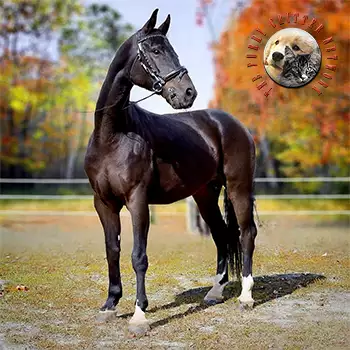
The Trakehner is a refined warmblood with a metabolism that tends to run more efficient than heavier draft-cross sport horses. This means they often maintain condition on less total feed volume, but the quality of that nutrition matters enormously. Their lean, athletic build requires a carefully balanced ratio of protein, fat, and fiber to sustain muscle development without encouraging excess weight that could stress their finer-boned legs.

Because Trakehners are frequently used in demanding disciplines like dressage, eventing, and show jumping, their caloric needs can fluctuate significantly depending on workload. A horse in light hack work may thrive on quality forage alone with a ration balancer, while a horse competing at upper levels will need a more energy-dense concentrate to fuel performance and recovery. Monitoring body condition score on a regular basis is essential to avoid both under- and over-feeding.

Trakehners are known for their sensitivity, and this extends to their digestive systems. Many individuals in this breed are prone to gastric discomfort when fed large grain meals or subjected to abrupt dietary changes. A feeding program built around consistent forage access, small concentrate meals, and gradual transitions will serve most Trakehners far better than high-grain approaches designed for less reactive breeds.

Mineral balance deserves special attention with this breed. Trakehners in athletic work benefit from adequate calcium and phosphorus in correct ratios, along with trace minerals like zinc, copper, and selenium that support hoof integrity, coat quality, and immune function. Regional forage analysis is the best starting point for identifying what your hay provides and where supplementation is needed.

What to Look For in Feed

When selecting a concentrate or complete feed for a Trakehner, prioritize products that use digestible fiber sources and controlled starch levels. Feeds based on beet pulp, soy hulls, or other fermentable fibers tend to provide steady energy without the sugar spikes that can make sensitive Trakehners hot or anxious under saddle. Avoid feeds where corn or molasses appears as a primary ingredient, as these can exacerbate reactive behavior in this already forward-thinking breed.

Protein content should be evaluated not just by percentage but by amino acid profile. Look for feeds that list lysine, methionine, and threonine content, as these are the limiting amino acids for muscle development and topline building in sport horses. A Trakehner in moderate to heavy work generally benefits from a feed providing 12 to 14 percent crude protein with a strong essential amino acid backbone.

Fat supplementation is often a better energy strategy for Trakehners than increasing grain volume. Feeds that incorporate stabilized rice bran, flaxseed, or vegetable oils provide calorie-dense energy that metabolizes slowly and supports coat condition without adding bulk to the digestive tract. For horses that need additional calories beyond what their base feed provides, a top-dressed fat supplement can fill the gap without increasing meal size.

Always check feed tags for guaranteed analysis and ingredient lists. Reputable feed manufacturers will provide transparent nutritional breakdowns and use fixed formulas rather than least-cost formulations that shift ingredients based on commodity prices. Consistency in ingredients matters for a breed that does not tolerate abrupt dietary shifts well.

Forage Selection

Forage should form the foundation of every Trakehner's diet, ideally comprising at least 1.5 to 2 percent of body weight per day in hay or pasture. For a typical Trakehner weighing 1,100 to 1,300 pounds, this translates to roughly 16 to 26 pounds of hay daily. Quality grass hay or a grass-legume mix generally suits this breed well, providing adequate fiber for hindgut health without excessive caloric density.

Straight alfalfa hay can be too rich for many Trakehners, particularly those in lighter work or those prone to weight gain. However, a modest proportion of alfalfa blended with grass hay can be beneficial for horses in heavy training, as it contributes additional protein and calcium that support muscle repair and bone density. The key is matching alfalfa inclusion to the individual horse's workload and metabolic tendencies.

Hay quality should be assessed visually and, when possible, through laboratory analysis. Look for hay that is free of dust, mold, and excessive seed heads. A forage analysis will reveal sugar and starch content, which is particularly relevant for Trakehners that exhibit signs of metabolic sensitivity. Low-sugar grass hays with moderate protein levels are the safest baseline for most individuals in this breed.

For Trakehners with limited pasture access or those stabled for extended periods, slow-feed hay nets can help replicate natural grazing patterns and reduce the risk of gastric ulcers. Extending forage consumption time keeps the stomach buffered with saliva and reduces the boredom-driven behaviors that stalled Trakehners sometimes develop.

Wet Feed & Mash Options

Soaked feeds and bran mashes have a long tradition in horse care, and they serve a practical purpose for many Trakehners. Soaking beet pulp or hay cubes creates a moisture-rich feed that encourages hydration, particularly useful during cold weather when horses tend to drink less water. For Trakehners traveling to competitions or adjusting to new environments, a familiar soaked feed can help maintain gut motility during stressful transitions.

Complete feeds designed to be soaked offer another option for Trakehners with dental issues or older horses that struggle with hay consumption. These pelleted feeds expand significantly when water is added, creating a soft mash that delivers full nutrition without requiring extensive chewing. When using soaked complete feeds as a hay replacement, ensure the total daily volume meets the horse's fiber requirements.

Fermented forage products, including haylage and baleage, can be suitable for Trakehners when properly harvested and stored. These feeds retain higher moisture content and are often more palatable than dry hay, which can benefit picky eaters. However, fermented forages must be consumed quickly once exposed to air to prevent spoilage, and quality control is critical to avoid botulism risk.

When introducing any wet feed format, do so gradually over a week or more. Even beneficial dietary additions can cause digestive upset if introduced too quickly, and the Trakehner's sensitive gut responds best to slow, methodical transitions.

Treats & Supplements

Treats are a valuable training tool for Trakehners, which are highly food-motivated and respond well to positive reinforcement. However, treat selection matters. Simple, low-sugar options like small pieces of carrot, a few hay cubes, or plain horse cookies without added molasses are preferable to sugar-laden treats that can spike insulin and contribute to weight management challenges over time.

Joint supplements are commonly used for Trakehners in athletic careers, particularly those competing in jumping or eventing where concussive forces on joints are significant. Products containing glucosamine, chondroitin sulfate, and hyaluronic acid are widely used to support cartilage health. While research results vary, many owners report observable improvements in mobility and comfort, especially in horses beginning to show early signs of joint wear.

Hoof supplements can be worthwhile for Trakehners that struggle with hoof quality. Biotin at therapeutic doses, combined with methionine and zinc, has the strongest research support for improving hoof wall integrity. Results typically take six to nine months to become visible as new hoof growth replaces older tissue, so consistency in supplementation is essential.

Electrolyte supplements deserve consideration for Trakehners in regular work, particularly during warm weather or heavy training periods. A well-formulated electrolyte replaces sodium, chloride, potassium, and trace minerals lost through sweat. Avoid electrolyte products loaded with sugar or dextrose, which add unnecessary calories. Loose electrolyte powder added to a small wet feed is generally better accepted than paste syringes, which many Trakehners resist.

Foods to Avoid

Certain foods pose serious health risks to horses and should never be offered to a Trakehner under any circumstances. Members of the nightshade family, including tomatoes and potatoes, contain solanine, which is toxic to horses. Avocado, including the leaves and bark of the tree, contains persin, which can cause respiratory distress and cardiac damage. Chocolate, onions, garlic in large quantities, and anything containing caffeine should also be kept well away from the feed room.

Beyond outright toxins, several common feeding practices can create problems specific to the Trakehner's physiology. Feeding large volumes of grain in a single meal overwhelms the small intestine's capacity to digest starch, pushing undigested material into the hindgut where it ferments rapidly and can trigger lactic acidosis or colic. Keeping individual concentrate meals under five pounds and splitting daily grain rations into two or three feedings significantly reduces this risk.

Lawn clippings should never be fed to horses, despite appearing similar to fresh grass. Clippings ferment rapidly after cutting, creating conditions that can cause severe colic or laminitis. Similarly, access to ornamental plants like oleander, yew, red maple leaves, and black walnut shavings must be prevented, as all are potentially fatal to horses even in small quantities.

Silage and haylage that has not been properly fermented or has been exposed to air contamination can harbor harmful bacteria, including those that produce botulinum toxin. If feeding fermented forage, source it only from producers who test pH levels and follow strict harvesting protocols. When in doubt about any feed source, consult your veterinarian before offering it to your Trakehner.

Feeding Schedule

Trakehners do best on a consistent feeding schedule that aligns with their natural grazing instincts. In the wild, horses eat small amounts of forage nearly continuously throughout the day. While domesticated management rarely permits true free-choice grazing, structuring the feeding day around multiple small meals rather than two large ones supports better digestion and more stable blood sugar levels.

A practical feeding schedule for most Trakehners includes hay offered at minimum three times daily — morning, midday, and evening — with concentrate meals split into two or three portions timed around work sessions. Feeding concentrate at least one hour before exercise allows initial digestion to begin without a full stomach compressing lung capacity during exertion. A post-exercise meal should be offered only after the horse has cooled down and heart rate has returned to resting levels.

For Trakehners stabled overnight, the longest gap without forage typically occurs between the evening feeding and the next morning. This extended fasting window is when gastric acid accumulates without the buffering effect of saliva produced during chewing, increasing ulcer risk. Providing a slow-feed hay net with a generous evening portion helps bridge this gap and keeps the digestive system active through the night.

Seasonal adjustments to the feeding program are necessary as workload, weather, and forage quality change throughout the year. Winter months often require increased hay volume to support thermoregulation, while summer competition seasons may call for higher-calorie concentrates. Reassess your Trakehner's body condition monthly and adjust feed quantities in small increments rather than making dramatic changes that could disrupt digestive balance.

Always consult a qualified professional before making any health-related decisions. This content is provided for informational reference only and should not replace professional guidance specific to your animal.