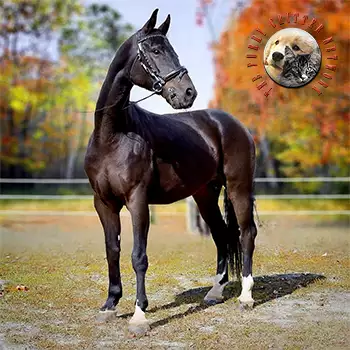

Trakehners are tall, leggy warmbloods that need generous space in both their stalls and turnout areas. A standard 12-by-12-foot stall is the absolute minimum for most Trakehners, but a 12-by-14 or 14-by-14 configuration is far more appropriate for individuals standing over 16 hands. Cramped stabling increases the risk of casting, limits the horse's ability to lie down and rise comfortably, and can contribute to stress behaviors in a breed already known for its mental sensitivity.
Turnout space is equally critical. Trakehners are athletic horses bred for movement, and restricting them to small dry lots for extended periods can lead to both physical and behavioral problems. A minimum of one acre per horse is a reasonable guideline for daily turnout, with larger acreage preferred where terrain and management allow. Adequate turnout reduces stall vices, supports joint health through natural movement, and gives this intelligent breed the mental stimulation it craves.
Aisle width in barns housing Trakehners should accommodate their size and sometimes reactive nature. A 12-foot center aisle allows two horses to pass safely and gives handlers room to manage a horse that spooks or pulls back during grooming and tacking. Ceiling height of at least 10 feet prevents head injuries and improves air circulation, which is important for respiratory health in any stabled horse.
For facilities that house multiple Trakehners, consider the social dynamics of the herd when assigning stalls and turnout groups. Trakehners can be socially particular, and pairing incompatible horses in adjacent stalls or shared paddocks can create chronic stress that manifests as poor appetite, weight loss, or aggression at fence lines.