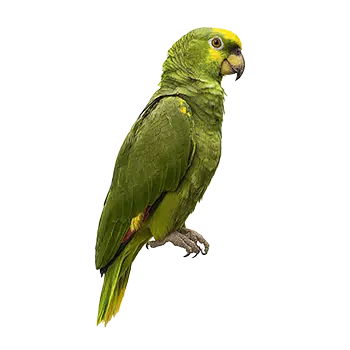
Proper nutrition forms the absolute foundation of Yellow-Naped Amazon health, longevity, behavior, and quality of life, directly impacting immune function, feather quality, cognitive function, energy levels, susceptibility to common diseases, and lifespan. In their natural Central American habitat, these parrots consume seasonally varied diets of diverse fruits, hard palm nuts and seeds, flowers, nectar, leaf buds, and occasionally protein from insects encountered during foraging activities. Replicating appropriate dietary diversity in captivity requires thoughtful meal planning, commitment to daily fresh food preparation, and understanding of species-specific nutritional requirements and tendencies toward obesity.
High-quality, scientifically formulated pellets designed specifically for large Amazon parrots should comprise approximately 60-70% of the Yellow-Naped Amazon's daily diet. Pellets provide balanced, complete nutrition with appropriate protein levels (typically 12-14% for non-breeding adults, higher for growing youngsters or breeding pairs), healthy fats in proper proportions, essential vitamins including critical vitamin A, and minerals in consistent ratios preventing selective eating and nutritional deficiencies devastatingly common with seed-based diets that historically killed countless pet parrots prematurely. Choose pellets from reputable, research-based manufacturers including Harrison's Bird Foods, TOPS Parrot Food, Roudybush, or Zupreem Natural (avoiding their artificially colored fruit-flavored varieties containing excessive sugar), selecting pellet sizes appropriate for large parrots that are neither so small the bird ignores them as insignificant nor so large they're difficult to handle comfortably.
Yellow-Naped Amazons raised on seed-based diets often stubbornly resist pellets initially, requiring gradual conversion over several weeks to months. Begin conversion by mixing very small amounts of pellets with familiar seed-based foods, extremely gradually increasing pellet proportion while correspondingly decreasing seeds by small increments. Offer pellets during times when the bird is hungriest, typically early morning immediately after waking. Some owners find success moistening pellets slightly or warming them marginally to enhance palatability and release appealing aromas during conversion attempts. Persistence, patience, and unwavering commitment prove essential, as birds may stubbornly resist dietary changes for weeks or months, requiring owners to remain consistent despite apparent rejection, as eventual acceptance typically occurs once birds realize alternatives won't be provided.
Fresh vegetables should constitute approximately 20-30% of daily intake, providing essential vitamins, minerals, beneficial phytonutrients, antioxidants, and dietary fiber that pellets alone cannot adequately supply. Strongly prioritize dark leafy greens exceptionally rich in vitamin A and calcium including kale, collard greens, mustard greens, turnip greens, dandelion greens, Swiss chard, and bok choy. Orange and yellow vegetables including carrots, sweet potatoes, winter squash, pumpkin, and butternut squash provide beta-carotene that birds naturally convert to vitamin A, directly addressing the vitamin A deficiency epidemic in Amazon parrots fed inadequate diets. Offer cruciferous vegetables including broccoli, cauliflower, Brussels sprouts, and cabbage for cancer-fighting compounds and immune support. Bell peppers of all colors (red, yellow, orange, green), green beans, snap peas, snow peas, sprouted legumes, corn (fresh or frozen, not canned), and fresh herbs provide additional nutritional variety and sensory interest.
Chop vegetables into appropriate, manageable pieces for comfortable handling, or offer some items whole or in large chunks to provide natural foraging opportunities requiring manipulation and problem-solving. Some Yellow-Naped Amazons strongly prefer vegetables lightly steamed or cooked rather than raw, finding softened textures more palatable, while others enthusiastically consume only raw produce, rejecting cooked items. Experiment with different preparation methods determining individual preferences, as birds consume significantly more of foods they find palatable and enjoy. Rotate vegetables daily offering different items throughout each week rather than the same foods repeatedly day after day, preventing boredom, providing broader nutritional spectrum, and preventing selective eating where birds refuse foods they've become tired of eating.
Fruits should be offered considerably more sparingly than vegetables, comprising approximately 5-10% maximum of overall diet due to high natural sugar content. Amazon parrots, particularly Yellow-Naped Amazons, are notoriously prone to obesity and potentially developing metabolic disorders resembling diabetes when fed excessive sugary foods including too much fruit. Appropriate fruits include berries (blueberries, strawberries, blackberries, raspberries, cranberries), pomegranate arils, papaya, mango, cantaloupe, honeydew melon, apples, pears, oranges, tangerines, grapes (cut in half preventing choking), kiwi, and banana (sparingly due to high sugar). Always remove apple seeds, cherry pits, peach pits, apricot pits, and other stone fruit pits containing cyanide compounds highly toxic to birds. Thoroughly wash all produce removing pesticide residues, or preferably choose organic options for items on the Environmental Working Group's annual "Dirty Dozen" list of most heavily pesticide-contaminated produce.
Healthy whole grains and properly cooked legumes supplement the Yellow-Naped Amazon diet beneficially when offered in appropriate moderation. Offer cooked whole grains including quinoa, brown rice, oats, barley, whole wheat pasta, and millet providing complex carbohydrates and fiber. Properly cooked legumes including black beans, kidney beans, pinto beans, chickpeas, lentils, and split peas provide excellent plant-based protein and fiber (absolutely never offer raw or undercooked beans, which contain toxic lectins requiring thorough cooking to neutralize and render safe). Many Yellow-Naped Amazons thoroughly enjoy warm grain and vegetable mixtures, which can be prepared in large batches, portioned appropriately, and frozen in individual daily servings for convenience while ensuring consistently nutritious meals.
Nuts serve as excellent high-value treats and training rewards but must be strictly limited due to extremely high fat content making them essentially parrot junk food when overfed. Appropriate nuts include almonds, walnuts, pecans, pistachios, hazelnuts, macadamia nuts (occasionally), and Brazil nuts (strictly limit Brazil nuts to maximum one per week due to extremely high selenium content causing toxicity with overconsumption). Offer maximum 2-3 nuts daily total to prevent obesity and fatty liver disease. Purchasing nuts in-shell provides excellent natural foraging enrichment and extensive beak exercise satisfying the powerful chewing drive, though shelled nuts offer convenience for training rewards and quick treats. Always choose unsalted, unflavored, unroasted nuts from reputable sources, immediately discarding any showing mold, rancidity, or unusual odors indicating spoilage.
Seed-based diets should be completely avoided as primary nutrition sources, though very small amounts of seeds can supplement pellet-based diets as occasional treats without causing nutritional problems. Historical seed-only diets caused severe, widespread nutritional deficiencies, obesity epidemics, fatty liver disease, dramatically shortened lifespans, and countless premature deaths in pet parrots before avian nutrition research revealed the inadequacy of seed-based diets. Seeds are inherently extremely high in fat while profoundly deficient in vitamin A, calcium, numerous essential amino acids, and many other critical nutrients. If offering seeds, choose very limited varieties including safflower, strictly limited sunflower seeds (extremely high fat), pumpkin seeds, or millet spray as occasional treats rather than dietary staples comprising significant caloric intake.
Certain foods are strictly toxic to Yellow-Naped Amazons and must never be offered under any circumstances. Absolute prohibitions include chocolate and cocoa products (theobromine is extremely toxic to birds causing seizures and death), avocado in any form (persin causes acute heart failure), caffeine in any form including coffee, tea, energy drinks, and chocolate, any alcohol, excessive salt, onions and garlic (cause hemolytic anemia), rhubarb leaves, apple seeds and stone fruit pits (contain cyanide), raw beans (contain toxic lectins), and any foods containing xylitol artificial sweetener (causes severe hypoglycemia and liver failure). Additionally, strictly avoid sharing food directly from human mouths due to bacterial contamination from human saliva potentially harmful to birds, and never feed birds anything containing added salt, sugar, artificial colors, artificial flavors, preservatives, or other additives and chemicals intended for human consumption.
Calcium supplementation deserves particular attention for Yellow-Naped Amazons, especially females who may lay eggs spontaneously even without mates, as egg production without adequate calcium causes egg binding and potentially fatal complications. Provide a cuttlebone or mineral block securely attached to cage bars for voluntary calcium intake allowing birds to self-regulate consumption according to physiological needs. Dark leafy greens consumed daily also provide excellent dietary calcium. Some birds may benefit from calcium supplements added to drinking water or sprinkled on foods, though always consult an experienced avian veterinarian before supplementing calcium to avoid dangerous hypercalcemia from excessive intake causing kidney damage and other serious problems.
Vitamin supplementation through powders sprinkled on food or drops added to water is generally unnecessary and potentially harmful when birds consume balanced pelleted diets supplemented with fresh vegetables and appropriate fruits. Over-supplementation causes toxicity, particularly with fat-soluble vitamins A, D, E, and K that accumulate in body tissues and liver rather than being excreted, causing serious health problems. If your Yellow-Naped Amazon eats an extremely limited diet refusing pellets and vegetables or if blood testing reveals specific confirmed deficiencies, targeted supplementation under direct veterinary guidance may be appropriate and necessary.
Fresh, clean water must be constantly available in clean bowls or bottles changed at least once daily, more frequently if birds drop food particles in water creating bacterial growth medium. Some owners strongly prefer water bottles that keep water significantly cleaner, though ensure birds learn to properly use bottle systems before removing open water dishes. Avoid water additives including vitamins, probiotics, or other supplements unless specifically prescribed by avian veterinarians for documented health conditions, as these additives can alter water taste discouraging adequate drinking or promote bacterial growth creating health hazards rather than benefits.
Foraging opportunities transform routine feeding time into enriching, mentally stimulating activities mimicking natural food-seeking behaviors essential for psychological wellbeing. Hide portions of daily vegetables in complex foraging toys requiring problem-solving, wrap foods in paper or palm leaves requiring unwrapping, stuff vegetables into cardboard tubes or paper bags requiring destruction to access, scatter chopped produce among crinkled paper for searching and discovering, or use commercially available puzzle feeders requiring manipulation to access rewards. Vary foraging difficulty and presentation methods maintaining appropriate challenge levels and sustained interest. This natural foraging behavior keeps exceptionally intelligent Yellow-Naped Amazons mentally engaged for hours, significantly slows eating helping prevent obesity through extended meal times, and provides substantial entertainment and enrichment supporting psychological health.
Monitor your Yellow-Naped Amazon's weight meticulously using an accurate gram scale, weighing at consistent times daily (typically early morning before eating for most accurate baseline weights). Adult Yellow-Naped Amazons typically weigh 480-680 grams though considerable individual variation exists based on sex, age, and body frame. Sudden weight loss of more than 10% body weight suggests serious illness requiring immediate emergency veterinary attention, while gradual progressive weight gain indicates dietary adjustment needs including reduced caloric intake and substantially increased exercise. Work closely with your experienced avian veterinarian determining your individual bird's optimal healthy weight range and adjusting diet portions and food choices accordingly. Yellow-Naped Amazons' voracious appetites, hearty eating habits, and strong genetic predisposition toward obesity makes strict portion control, emphasis on low-calorie vegetables over high-fat treats, and maintaining extremely high activity levels absolutely essential for achieving and maintaining healthy weight throughout their exceptionally long 60-80 year lifespans.